



More Than Just Green Tea
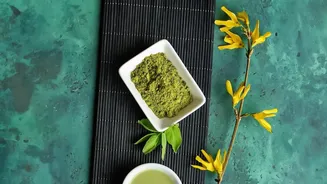
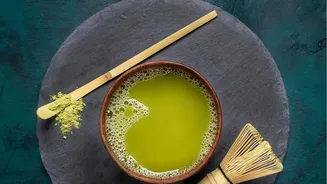
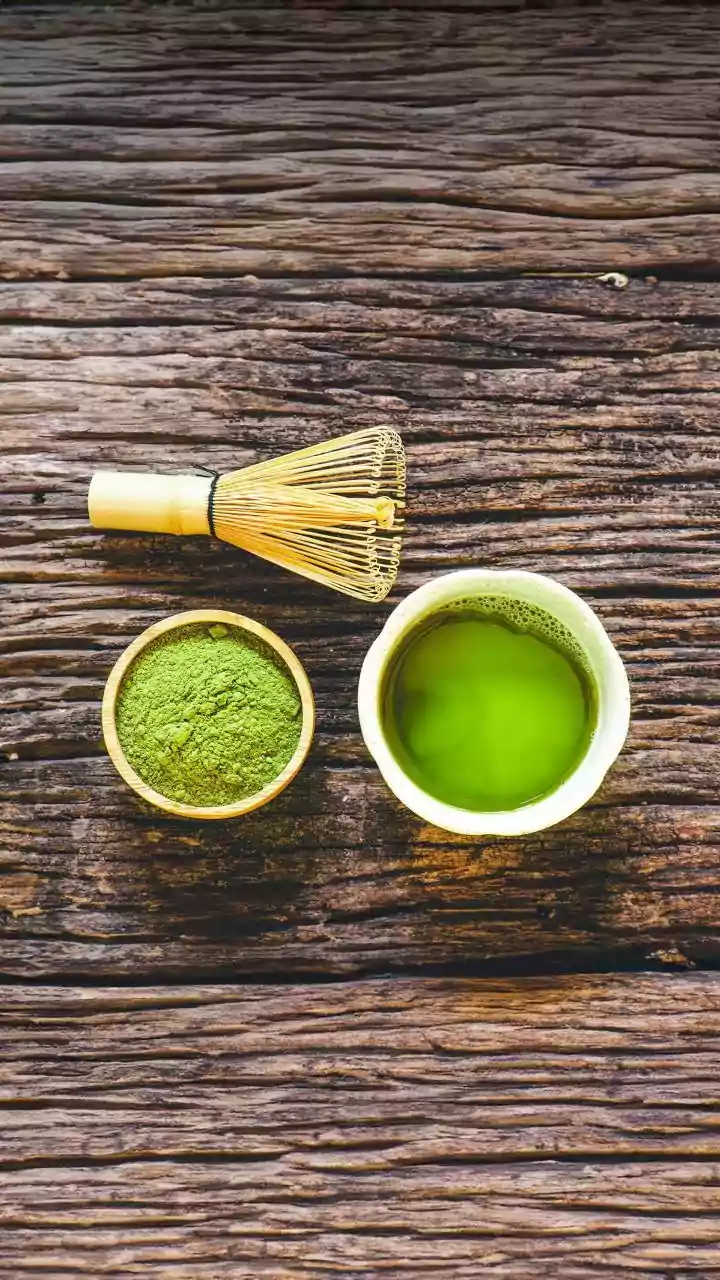
Before it was a latte, matcha was a cornerstone of Japanese tea ceremonies for centuries. Unlike regular green tea, where you steep and discard the leaves, with matcha you consume the entire leaf, ground into a fine, brilliant green powder. This means
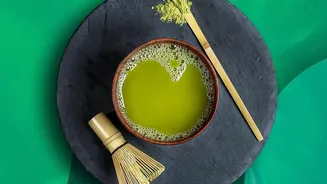
you ingest a concentrated dose of all its nutrients. The traditional preparation involves whisking the powder with hot water into a frothy, deeply flavourful drink. This ceremonial origin gives it an aura of mindfulness and tradition, a stark contrast to a quick espresso shot. Its taste is complex—earthy, umami-rich, and subtly sweet, a world away from the bitterness some associate with green tea. This unique profile, however, has proven to be a perfect canvas for modern cafes.
The Undeniable Health Halo
A huge driver of matcha's popularity is its reputation as a superfood. In a health-conscious city like Bengaluru, this is a powerful selling point. Matcha is packed with antioxidants, particularly catechins like EGCG, which are believed to help prevent cell damage. But the real magic for many is the combination of caffeine and L-theanine, an amino acid known for promoting relaxation without drowsiness. This creates a state of 'calm alertness', providing sustained energy without the jittery crash sometimes associated with coffee. For the city's tech professionals and wellness-focused millennials, a drink that promises improved focus and lower stress is an easy choice.
Designed for the Instagram Feed
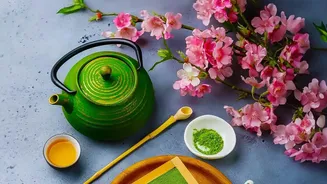
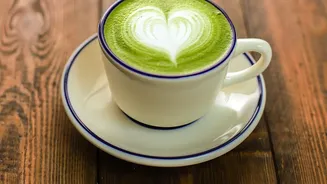
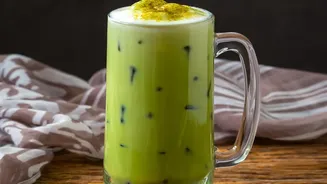
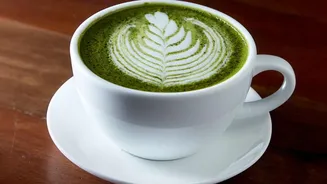
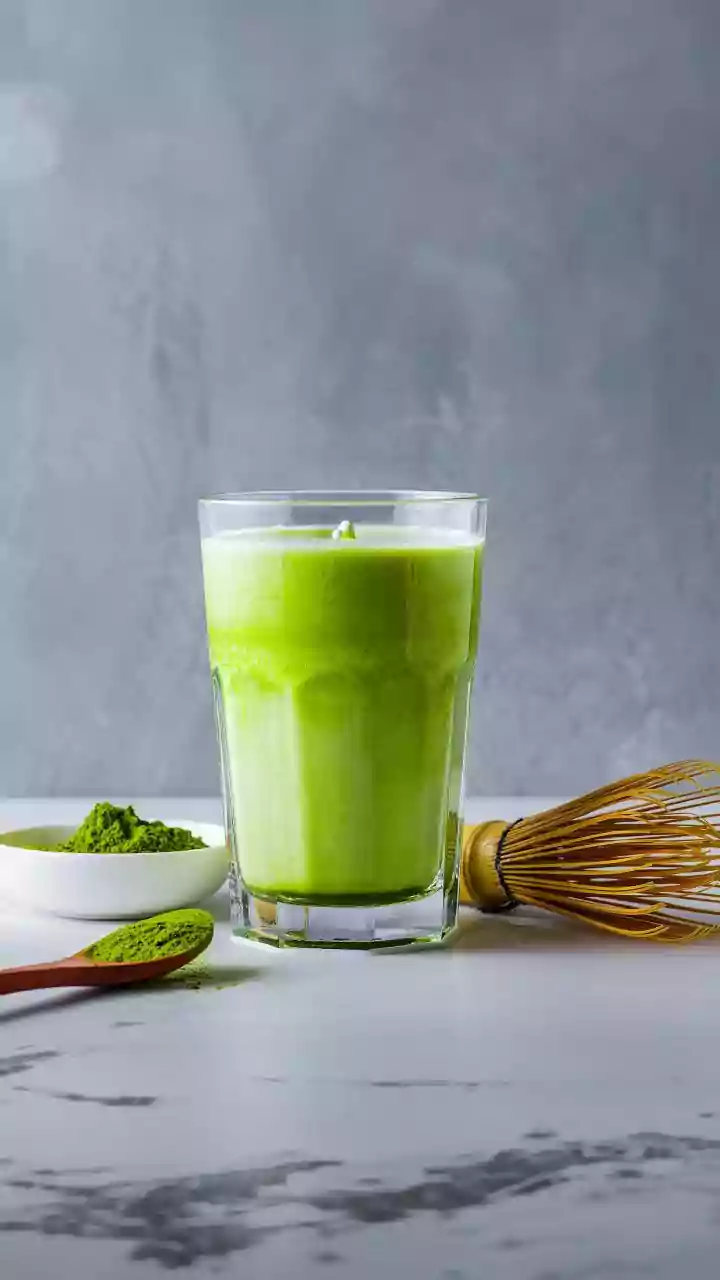
Let’s be honest: matcha is incredibly photogenic. Its striking green colour, especially when swirled into a creamy latte, makes for an undeniably 'Instagrammable' moment. Bengaluru's cafe scene has long been driven by aesthetics, with establishments designed to be as beautiful as the food they serve. Matcha fits perfectly into this visual culture. Cafes create stunning presentations, from classic lattes to inventive creations like strawberry or rose matcha. This visual appeal has created a powerful cycle: people see it on social media, they seek it out, they post their own picture, and the trend grows. It’s a beverage and a lifestyle accessory all in one.
A New Wave of Dedicated Cafes
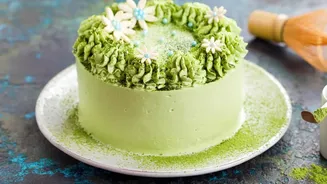
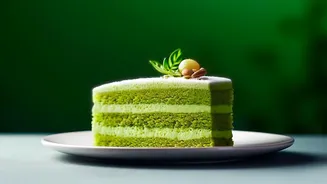
The trend wasn't just consumer-driven; entrepreneurs saw the opportunity. The rise of specialty matcha bars has been pivotal. Cafes like Sakura Matcha Bar, touted as one of the city's first dedicated matcha spots, and Got Tea have educated consumers by sourcing high-quality, ceremonial-grade matcha directly from Japan. They moved beyond a simple latte, introducing menus with everything from dirty matchas (with an espresso shot) to matcha-infused financiers, cheesecakes, and even soft-serve ice cream. This elevated the beverage from a simple menu addition to a star attraction, creating destinations for matcha lovers and converting the curious. Some cafes are even putting local twists on it, like a matcha aam panna.
A Sign of an Evolving City
Ultimately, matcha's success story is a reflection of Bengaluru's own evolution. The city, known as a global tech hub, has an increasingly cosmopolitan palate and a population eager to embrace global trends. The demand for matcha aligns with broader food trends in the city, which include a growing interest in pan-Asian cuisine, wellness-focused eating, and experience-led dining. It represents a shift where consumers are looking for more than just taste; they want a story, health benefits, and an experience worth sharing. Matcha doesn't replace the city's beloved filter coffee; it sits alongside it, representing a new chapter in Bengaluru's rich and diverse culinary story.