






An Escape from the Urban Jungle
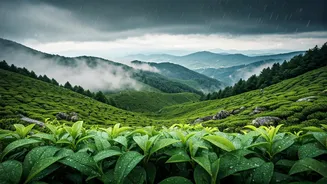
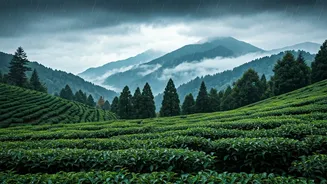
For many young Mumbaikars, life is a loop of deadlines, traffic, and concrete. The historical forts of the Sahyadri mountain range offer a powerful antidote: a physical challenge combined with a mental reset. The appeal lies in trading the city's noise
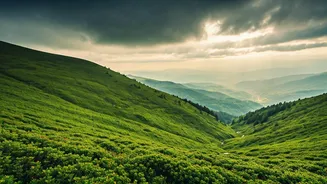
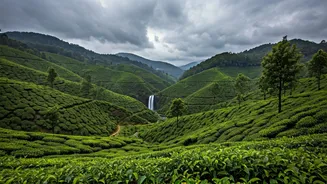
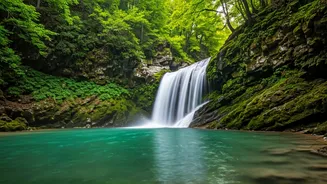
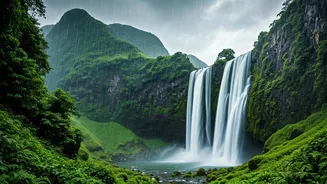
for the tranquility of nature. The journey to forts like Rajmachi, Lohagad, or Harishchandragad is as important as the destination itself, involving hours of trekking through dense forests, past waterfalls, and up steep inclines. This desire for an escape from routine and a connection with nature is a significant driver, offering a raw, unfiltered experience that a polished resort holiday cannot match.
For the 'Gram and the Glory
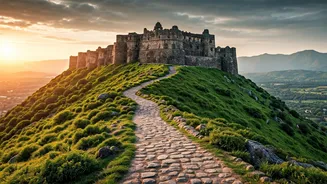
In the digital age, if you didn’t post it, did it even happen? Social media platforms, particularly Instagram, have played a massive role in popularising fort treks. The breathtaking panoramic views from the top of a fort like Visapur or Korigad are undeniably 'gram-worthy'. Trekking has become a form of social currency, a way to showcase an adventurous and active lifestyle. Picturesque sunrises, misty monsoon landscapes, and group selfies against ancient stone walls generate not just likes, but also inspire others to embark on their own journeys. This digital word-of-mouth has turned once lesser-known forts into weekend hotspots, complete with geotags and vlogs detailing the experience.
A Resurgence of Regional Pride
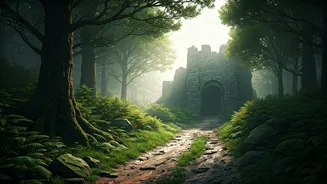
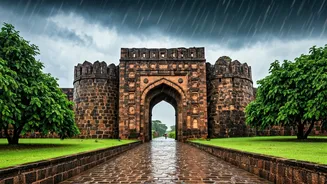
Maharashtra has over 350 forts, and many are inextricably linked to the legacy of the Maratha warrior-king, Chhatrapati Shivaji Maharaj. For many young people in the region, visiting these forts is more than just a trek; it's a pilgrimage. Forts like Raigad, which served as Shivaji's capital, and Shivneri, his birthplace, are powerful symbols of Maratha history and pride. Walking the same paths as historical figures offers a tangible connection to their roots, turning a history lesson into a lived experience. This renewed interest in heritage is a powerful motivator, fueling a desire to understand and honour the region's valiant past.
The Power of Community
The prospect of navigating a challenging trek can be daunting, but the rise of trekking groups and communities has made it more accessible and safer than ever. Numerous organisations, like Mumbai Trekkers, plan and execute these trips, handling logistics and providing experienced guides. This removes a major barrier to entry for beginners. More importantly, it fosters a strong sense of community. Friendships are forged on these trails, born from shared challenges and the collaborative effort of reaching the summit. For many, these treks are as much about the social bonding experience as they are about the hike itself.
A Mission of Conservation
Beyond personal fulfillment, a section of this youth movement is driven by a sense of responsibility. Many forts have fallen into disrepair over the centuries. In response, several youth and volunteer groups have taken up the cause of fort conservation. These groups organise clean-up drives, plant native trees, and work to restore parts of these ancient structures, often in collaboration with local communities and NGOs. This adds a layer of purpose to their visits, transforming them from mere tourists into active custodians of their heritage. This eco-conscious and activist-driven approach reflects a generation keen on not just consuming experiences but also making a positive impact.