



The Hidden Dangers of Damp Paws
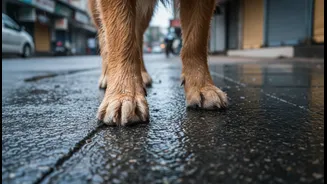
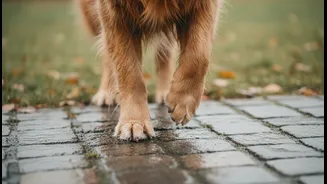
While a splash in a puddle seems harmless, the persistent moisture of the monsoon season creates the perfect warm, humid environment for fungi and bacteria to thrive. The skin between your dog's paw pads can become soft and weak from constant wetness,
making it easier for infections to take hold. This condition, often called pododermatitis, refers to inflammation of the skin on the feet and can cause significant discomfort. Fungi like yeast, which naturally live on a dog's skin, can overgrow in these damp conditions, leading to irritation and infection. Puddles may also contain contaminants that further irritate the skin and introduce harmful bacteria.
Spotting the First Signs of Trouble
Dogs often tell us something is wrong through their behaviour. One of the most common signs of a paw issue is persistent licking or chewing. While some licking is normal grooming, excessive attention to their feet is a red flag. Other key symptoms to watch for include redness and swelling, especially between the toes. You might notice a musty or foul odour, a greasy discharge, or even changes in skin texture like crusty or flaky patches. In some cases, your dog may limp, seem reluctant to walk, or show sensitivity when you try to touch their paws.
Your Daily Paw Inspection Routine
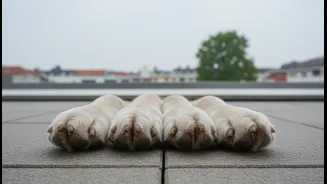
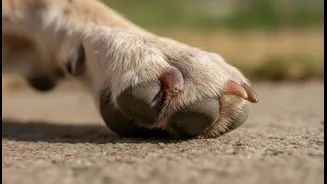
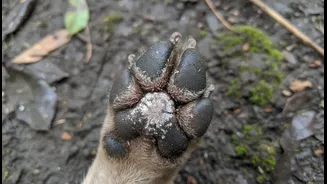
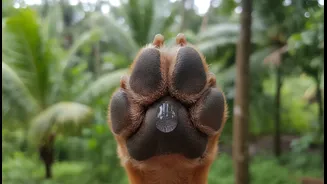
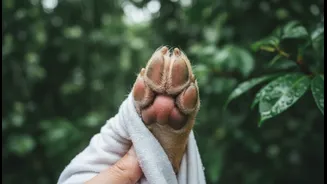
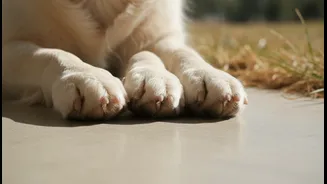
Prevention is the most effective strategy, and it starts with a simple daily habit: inspecting your dog's paws, especially after every walk. Make this a positive experience with treats and praise. Gently separate each toe and look closely at the skin in between. Check the paw pads for any cuts, cracks, or embedded debris like small stones. Look for redness, swelling, or any of the other warning signs mentioned earlier. Also, check for ticks, which are more prevalent during the monsoon and often hide between the toes. This quick, two-minute check is your first line of defence against escalating problems.
The Post-Walk Cleanup Protocol
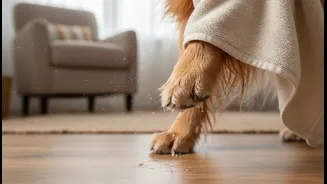
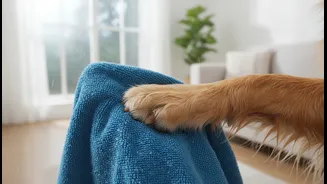
A consistent post-walk routine is crucial during the rainy season. The moment you return home, thoroughly wipe your dog's paws. Using a highly absorbent microfiber towel is a great start. For muddy paws, washing with clean water and a mild, vet-approved antiseptic wash is recommended. The most critical step is drying. Moisture is the enemy, so be meticulous about drying between each toe. For long-haired breeds, a hairdryer on a low, cool setting can ensure the area is completely dry. Trimming the excess fur around the paw pads can also help, as it prevents mud and moisture from getting trapped.
Protective Gear and Proactive Care
For extra protection on wet streets, consider waterproof dog booties. If your dog won't tolerate them, a paw balm or wax applied before a walk can create a protective barrier against moisture and irritants. Between baths, which should be limited to every 2-3 weeks to avoid stripping natural oils, you can use antifungal or antibacterial pet wipes for daily cleaning. Using a vet-recommended antifungal shampoo during scheduled baths can also help manage yeast levels for dogs prone to infections.
When to Consult Your Veterinarian
While good hygiene can prevent most issues, some situations require professional medical advice. You should contact your vet if you notice persistent symptoms that don't improve with cleaning, or if the redness, swelling, or limping gets worse. The presence of open sores, bleeding, pus, or a strong, foul odour are clear signs that an infection has taken hold and needs treatment. A vet can diagnose the specific type of infection—whether it's bacterial or fungal—and prescribe the appropriate medicated shampoos, topical creams, or oral medications to resolve it.