






The Scoop on Serving Sizes
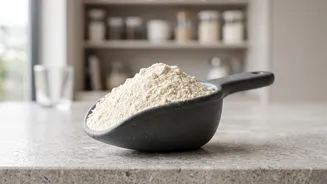
Before tackling myths, let's talk basics. A 'serving' of protein powder is typically one scoop, providing 20-30 grams of protein. However, your personal needs depend on your weight, age, and activity level. The general recommendation for a healthy, non-athletic
adult is about 0.8 grams of protein per kilogram of body weight daily. For a 70 kg person, that's 56 grams per day from all sources. Active individuals aiming to build muscle may need more, often between 1.6 to 2.2 grams per kg. A supplement helps bridge the gap between the protein you get from food and your daily target; it's not meant to replace whole food sources entirely.
Myth: More Protein Automatically Equals More Muscle
One of the biggest misconceptions is that chugging protein shakes will magically build muscle. Protein provides the amino acids necessary for muscle repair, but it doesn't work in a vacuum. Muscle growth is triggered by resistance training. Consuming extra protein without the stimulus of exercise won't lead to gains; your body will simply convert the excess protein to energy or store it as fat. Think of protein as the bricks and exercise as the builder—you need both to construct the building.
Myth: Protein Powder Will Damage Your Kidneys
This is a persistent fear, but for individuals with healthy kidneys, there is no strong evidence that a high protein intake causes damage. Healthy kidneys are well-equipped to filter the waste products from protein metabolism. The confusion often arises because people with pre-existing kidney disease are advised to limit their protein intake to reduce strain on their already-compromised organs. For a healthy person, however, a standard high-protein diet, including supplements, is generally considered safe. Staying well-hydrated is always important to help your kidneys function optimally.
Myth: You Must Drink a Shake Within 30 Minutes Post-Workout
The legendary 'anabolic window'—a supposed 30-minute period after exercise for optimal protein absorption—is largely a myth. While muscles are more sensitive to protein after a workout, this heightened state lasts for many hours, not minutes. Multiple studies have shown that total daily protein intake is far more critical for muscle growth than precise timing. So, there's no need to panic and rush your shake. Consuming protein sometime in the hours surrounding your workout is perfectly effective.
Myth: All Protein Powders Are the Same
The options can be dizzying: whey, casein, soy, pea, and more. They are not all the same, and the best one depends on your goals and dietary needs. Whey is a fast-digesting milk protein ideal for post-workout recovery. Casein, also from milk, digests slowly, making it great before bed. Soy is a complete plant-based protein, making it a solid alternative to dairy. Plant-based blends, often combining pea and rice protein, are designed to provide a complete amino acid profile for vegans or those with lactose intolerance.
Myth: Protein Shakes Are a Perfect Meal Replacement
While convenient, a scoop of protein powder mixed with water is not a complete meal. A true meal replacement is formulated to provide a balance of protein, carbohydrates, fats, vitamins, and minerals. Most protein powders are just that—protein. Using them as a meal replacement regularly without adding other nutrients (like fruit, oats, or healthy fats) can lead to nutritional deficiencies. A protein shake can be part of a meal or a filling snack, but it shouldn't be your sole source of nutrition.