




What Exactly is Changing?
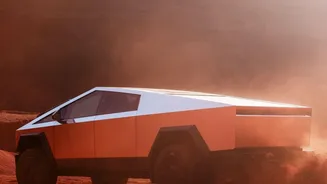
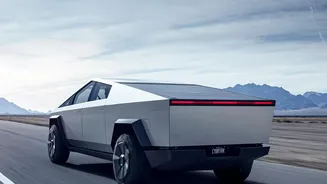
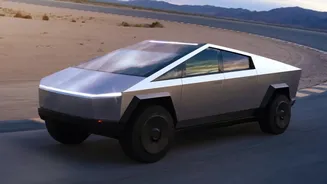
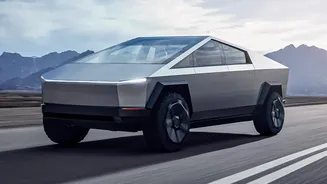
The announcement from Tesla's production team outlines a plan to halt and retool a segment of the Cybertruck assembly line in mid-2027. While the company has not provided exhaustive details, the change is understood to involve the vehicle's unique stainless
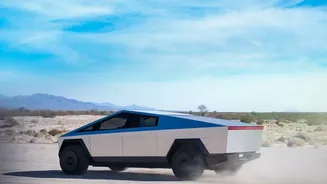
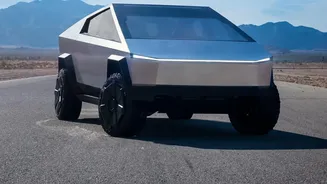
steel exoskeleton. Reports suggest a shift to a new, more malleable alloy and an updated forming process. This move is significant because the Cybertruck's ultra-hard 30X cold-rolled stainless steel has been both a signature feature and a major manufacturing challenge. The difficulty in stamping and shaping the rigid material has reportedly been a bottleneck in production. This planned retooling suggests a strategic pivot towards a method that can increase production speed and efficiency, even if it means altering the original material composition.
The 'Why' Behind the Factory Tweak
This move is classic Tesla, reflecting the company's philosophy of 'building the machine that builds the machine'. Rather than waiting for a new model year, Tesla continuously iterates on its manufacturing processes to remove bottlenecks, reduce costs, and improve output. The challenges of working with the Cybertruck's stainless steel were well-documented even before launch, with issues ranging from forming the panels to ensuring consistent finish. By planning a line change more than two years in advance, Tesla is likely aiming to solve these core issues. The goal is to evolve the production line itself into a more efficient 'product'. A new alloy or process could lead to faster cycle times, fewer rejected parts, and ultimately, a higher volume of trucks rolling out of Giga Texas. This relentless pursuit of manufacturing efficiency is a core part of Tesla's long-term strategy to make its vehicles more accessible.
A Pattern of Constant Evolution
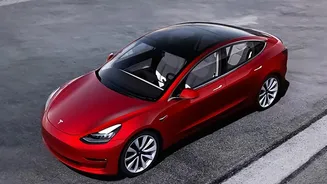
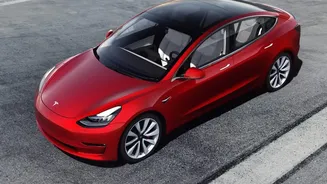
For legacy automakers, a mid-cycle production change of this scale is a massive undertaking, usually planned many years in advance and tied to a specific model refresh. Tesla, however, has a history of making significant on-the-fly adjustments. We saw this with the Model 3, where the company famously built a new assembly line in a tent to overcome 'production hell'. More recently, Cybertruck engineers have already implemented minor but effective changes, such as redesigning a camera housing to improve visibility in the rain—a change rolled out to new vehicles as soon as the mould was updated. This mid-2027 announcement is a larger-scale version of that same thinking: identify a problem, engineer a solution, and implement it as soon as feasible, rather than adhering to a rigid, traditional automotive timeline.
Impact on Customers and Production
The announcement comes as Tesla also plans to wind down Cybertruck production in its current form to make way for the upcoming Cybercab robotaxi. To clear a significant backlog of orders before that transition, CEO Elon Musk has stated that Tesla will add an extra production shift. The newly announced 2027 change appears to be part of this broader strategic shift. For customers with existing orders, the added shift is good news, increasing the likelihood of receiving their vehicle before the line is dismantled. For potential future buyers, this retooling could mean a more refined and potentially less expensive version of the Cybertruck post-2027, assuming the manufacturing efficiencies are realised. However, it also introduces a period of uncertainty about production volumes during the changeover.
A Signal to the Broader Auto Industry
Tesla's move sends a clear message to the automotive world. While traditional manufacturers often lock in a production process for years, Tesla treats its factories like software, constantly looking for ways to update and improve them. This agility can be a significant competitive advantage. As the industry shifts towards electric vehicles, manufacturing flexibility is becoming paramount. The ability to quickly solve production issues, integrate new technologies like large castings and 48v architecture, and reduce manufacturing costs by simplifying design are key differentiators. The planned Cybertruck line change is a realworld example of this principle in action, demonstrating a willingness to absorb a shortterm disruption for a longterm gain in efficiency and scalability.