





Munnar, Kerala: A Carpet of Green
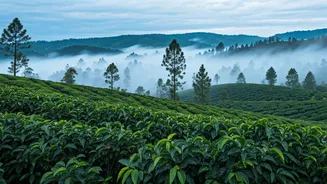
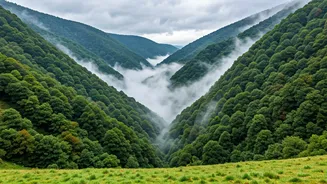
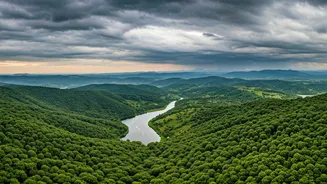
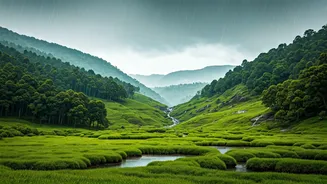
Nestled in the Western Ghats, Munnar becomes a dreamy paradise during the monsoon months of June to September. The rain breathes life into its sprawling tea plantations, making them appear even more verdant and lush. The air is cool, misty, and incredibly
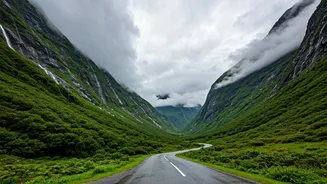
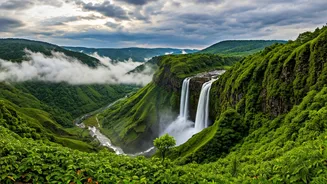
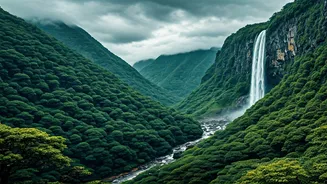
refreshing. Waterfalls like Attukal and Lakkam, which are modest streams in other seasons, turn into powerful, roaring spectacles. It's the perfect time for a romantic getaway or a peaceful retreat, with fewer crowds than in peak season. You can enjoy scenic drives through fog-covered hills, visit the Eravikulam National Park to spot the Nilgiri Tahr, or simply sip on freshly brewed tea while watching the rain from a cozy resort. While heavy showers can occur, the region's infrastructure is well-prepared, though it's wise to hire experienced local drivers for navigating the misty, winding roads.
Coorg, Karnataka: The Scotland of India
Coorg, or Kodagu, lives up to its nickname, 'The Scotland of India', especially during the monsoon. The landscape of rolling hills, dense coffee estates, and spice plantations is revitalised by the rains. From June to September, the region receives heavy rainfall, which feeds its famous waterfalls like Abbey and Iruppu Falls, making them thunderous and spectacular. The weather is cool and pleasant, ideal for nature lovers who don't mind getting a little wet. It's a great time for trekking, but be prepared with proper waterproof gear and be cautious of slippery trails. The monsoon season is considered off-peak, meaning you can enjoy the serene beauty of places like Raja's Seat with fewer tourists and often at lower prices.
Lonavala, Maharashtra: The Quick Weekend Escape
For residents of Mumbai and Pune, Lonavala is the quintessential monsoon getaway. This hill station in the Sahyadri range transforms into a green haven with overflowing dams and countless waterfalls cascading down the hillsides. Popular spots like Bhushi Dam, Tiger's Leap, and Lion's Point offer dramatic, misty views of the valleys below. The drive itself, particularly on the Mumbai-Pune Expressway, is incredibly scenic during this time. However, its popularity means it gets extremely crowded, especially on weekends. To avoid the traffic and crowds, a weekday trip is highly recommended. Safety is paramount, as rocks near waterfalls become very slippery and visibility can be low due to fog.
Udaipur, Rajasthan: The Romantic City of Lakes
While Rajasthan is known for its arid climate, Udaipur offers a surprisingly magical monsoon experience. The 'City of Lakes' sees its famous water bodies like Lake Pichola and Fateh Sagar Lake fill up, reflecting the dramatic monsoon sky and grand palaces. The surrounding Aravalli hills, barren for most of the year, turn lush and green. The rains bring cooler, more pleasant temperatures, making it comfortable to explore historic sites like the City Palace and the Monsoon Palace (Sajjangarh). As it's the off-season, you can explore the city's romantic, rain-washed streets without the usual tourist rush. A boat ride on a full Lake Pichola against a backdrop of cloudy skies is an unforgettable experience.
Shillong, Meghalaya: In the Abode of Clouds
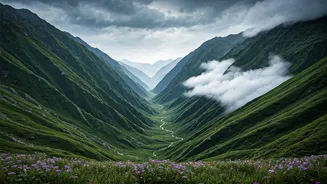
For those who truly love the rain, there's no better place than Meghalaya, the 'abode of clouds'. Shillong, the capital, is a beautiful hill station that receives heavy rainfall from June to September. This is when the region's numerous waterfalls, like the famous Elephant Falls, are at their most powerful and breathtaking. The landscape turns into a mystical wonderland of mist-covered hills and vibrant greenery. You can take a serene stroll around Ward's Lake or explore the unique living root bridges near Cherrapunji, one of the wettest places on Earth. Despite the heavy rain, it's an ideal time for backpackers and nature lovers looking for a tranquil and less crowded experience, with many stays available at budget-friendly rates.