





Start with the Right Bag
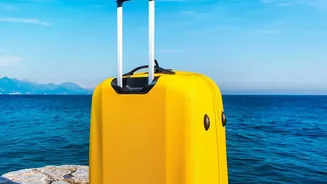
Your first line of defence is the bag itself. While soft-sided fabric bags are common, they often rely on water-repellent coatings that wear off. For monsoons, hard-shell luggage made from polycarbonate is a superior choice. Water simply rolls off the non-absorbent
surface. If you prefer a backpack or duffel bag for a short trip, opt for one made of naturally water-resistant materials like PVC or vinyl, and check for sealed or welded seams, which are much more effective at keeping water out than stitched ones.
Invest in an External Rain Cover
If you're using a soft-sided bag or backpack, a dedicated rain cover is a non-negotiable accessory. These covers are lightweight, foldable, and can be deployed in seconds when a drizzle turns into a downpour. They provide an excellent external barrier, protecting the fabric of your bag from getting saturated and preventing water from seeping through zippers, which are often the weakest point.
Waterproof from the Inside Out
Don't just rely on your bag's exterior; internal waterproofing is key. This is where a simple pack of zip-lock bags becomes your most valuable packing tool. Group items together and seal them in individual bags. Pack clothes in larger compression bags or storage bags, and use smaller ones for documents, cash, and other small valuables. This compartmentalisation ensures that even if your main bag gets damp, your essentials remain completely dry.
Give Electronics Special Treatment
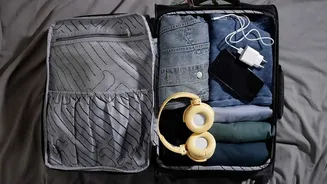
Water is the enemy of electronics. For maximum protection, every electronic item—phone, charger, power bank, laptop—should be in its own sealed plastic bag. For an extra layer of security, especially in very wet conditions, consider double-bagging your most sensitive devices. Placing a small desiccant packet, like the silica gel pouches that often come with new electronics, inside the bag can also help absorb any condensation that might form due to humidity.
Choose Your Fabrics Wisely
What you pack is as important as how you pack it. Opt for clothes made from quick-drying synthetic fabrics instead of cotton, which absorbs moisture and takes a long time to dry. A damp, musty smell can permeate your entire bag if you pack wet cotton clothes. Packing quick-dry items means that even if you get caught in the rain, your clothes will be ready to wear again much sooner.
Pack a Monsoon Emergency Kit
A few extra items can be lifesavers. Always carry a small, quick-dry microfibre towel. It’s more absorbent and dries faster than a standard cotton towel. Also, pack a few extra empty plastic bags or a reusable wet/dry pouch; they are invaluable for stashing a wet raincoat, muddy shoes, or a damp umbrella, keeping them separate from your dry belongings. A clothes/shoe freshener can also combat any damp smells that might develop.
Post-Trip Luggage Care
Your job isn't done when you get home. To prevent mould, mildew, and lasting damage, you must properly care for your luggage. Empty your bag completely and wipe down all surfaces, inside and out. Leave it open in a well-ventilated area to air-dry completely for at least 24 hours before storing it. This simple step extends the life of your bag and ensures it's fresh and ready for your next adventure.