



The Last-Mile Landscape
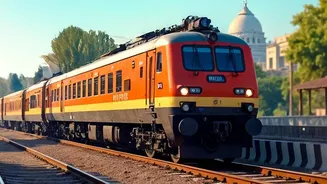
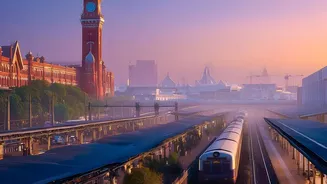
Stepping out of an Indian railway station, you're immediately greeted by a vibrant and often chaotic transport ecosystem. This is the crucial 'last mile' of your journey. The most common options are shared jeeps or taxis, which wait to fill up with passengers
heading to the same destination, making them a cost-effective choice for popular routes. State-run and private buses are the backbone of regional travel, connecting towns big and small, though comfort levels can vary widely. For shorter distances within a town or to a nearby resort, auto-rickshaws are indispensable. Agreeing on a fare before you start your journey is a common practice, especially where meters aren't used. In many urban and tourist areas, ride-hailing apps like Uber and Ola are also a reliable option.
Navigating the Monsoon Maze
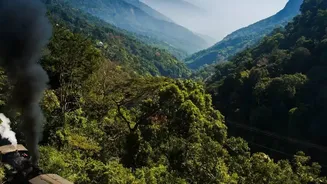
The monsoon season (roughly June to September) transforms India into a lush, green paradise, but it presents significant travel challenges. In hilly regions like the Himalayas or the Western Ghats, heavy rains can trigger landslides, leading to road closures. While many closures are brief and cleared within hours, major incidents can cause delays of a day or more. It's crucial to check local weather advisories and avoid travel on high-risk roads during intense rainfall. The smartest strategy is to build flexibility into your itinerary. Start your road journeys early in the day, add buffer days to your plan, and never schedule a tight connection, like a flight, immediately after a leg of mountain travel. In case of a roadblock, the safest decision is always to wait for authorities to clear the way or to postpone travel.
Conquering the Winter Chill
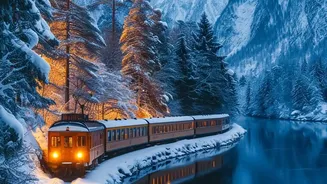
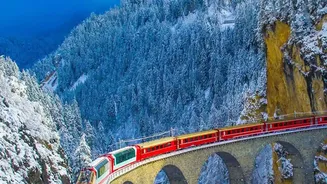
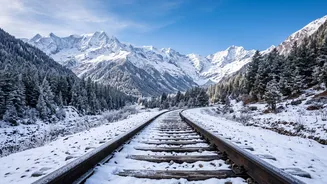
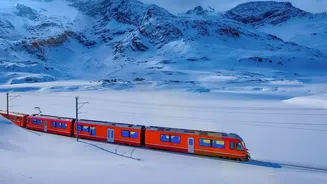
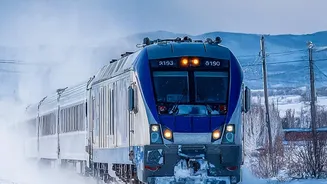
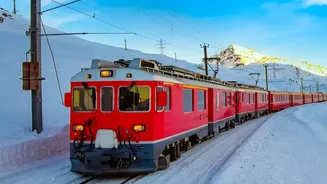
Winter (November to February) is a magical time to visit many parts of India, especially the Himalayas, which are often blanketed in snow. However, this beauty comes with its own set of logistical hurdles. Heavy snowfall can lead to the closure of high-altitude passes and roads, particularly in states like Himachal Pradesh, Uttarakhand, and Kashmir. Journeys from railheads like Kalka for Shimla, Jammu for Patnitop, or New Jalpaiguri for Darjeeling require careful planning. The iconic 'toy trains' on routes like the Kalka-Shimla Railway are a spectacular way to begin the ascent, but the final road journey may still be affected by weather. It's wise to hire experienced local drivers with vehicles equipped for snowy conditions, like 4x4s, for the final leg. In the northern plains, dense fog can severely disrupt road and rail traffic, so always factor in potential delays.
Essential Planning and Safety Tips
A little preparation goes a long way in ensuring your post-train journey is smooth and enjoyable. Before booking, research the most practical route to your destination from the nearest railway station. Hiring a car with a driver is a popular, flexible, and safe option for navigating complex regional routes, especially in areas like Rajasthan or the Himalayas. For bus travel, booking a seat on a private deluxe or A/C coach can make long journeys much more comfortable. Always keep your luggage secure and valuables out of sight, especially in crowded shared vehicles. Packing layers of clothing is essential for mountain travel, where temperatures can change rapidly. Most importantly, maintain a patient and flexible attitude; embracing the spontaneous nature of local travel is part of the Indian experience.