







Why Monsoon Hydration is Different
During the monsoon, the high humidity can trick your body into feeling less thirsty. You might be sweating less obviously than in the peak of summer, but your body is still losing fluids. This, combined with a higher risk of waterborne diseases and a general
dip in digestive strength, means your hydration strategy needs a smart update. It's not just about drinking water; it's about drinking the *right* things in the right way. This is the essence of building a 'rainy wellness plate' — a conscious curation of what you consume to stay healthy, with clean liquids forming the most crucial part.
The Foundation: Warm, Purified Water
Before we get to fancy concoctions, let's start with the basics. The single most important rule during the monsoon is to ensure your water is safe. Always drink boiled and cooled water, or water from a reliable purifier. Contaminated water is the primary source of illnesses like typhoid, cholera, and diarrhoea. Beyond purification, consider drinking warm water throughout the day. According to traditional Indian wellness principles, warm water aids digestion, improves blood circulation, and helps flush out toxins. It’s a simple, zero-calorie habit that can keep your internal systems running smoothly when they are most vulnerable.
Immunity on Tap: Herbal Infusions
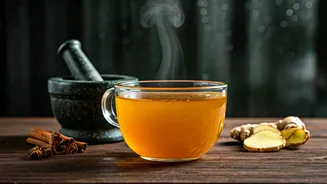
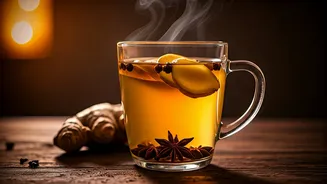
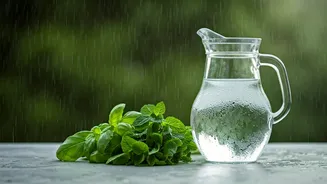
This is where your hydration becomes proactive. Instead of plain water, infusing it with herbs can provide a powerful immunity boost. A flask of warm tulsi (holy basil) water is a classic monsoon companion. Tulsi is revered for its antibacterial, antifungal, and anti-inflammatory properties. Similarly, adding a few slices of ginger and a pinch of turmeric to your water creates a potent anti-inflammatory and antiseptic brew. These infusions are not only hydrating but also actively help your body fight off common infections like the cold and flu that are rampant during this season.
Soothing Soups and Broths
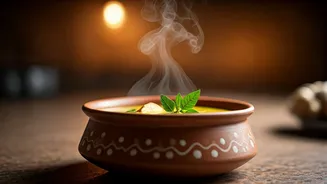
Your 'wellness plate' isn't just about what you drink from a glass. Light, nourishing soups are an excellent way to hydrate and get nutrients without taxing your digestive system, which is often weaker during the rains. A simple, clear vegetable broth or a light moong dal soup provides fluids, essential minerals, and warmth. They are comforting and easy for the body to process. Avoid heavy, creamy soups that can feel sluggish. Instead, think of soups seasoned with immunity-boosting spices like black pepper, ginger, and garlic. They serve a dual purpose: hydrating your body and nourishing it from within.
The Protective Shield of Kadha
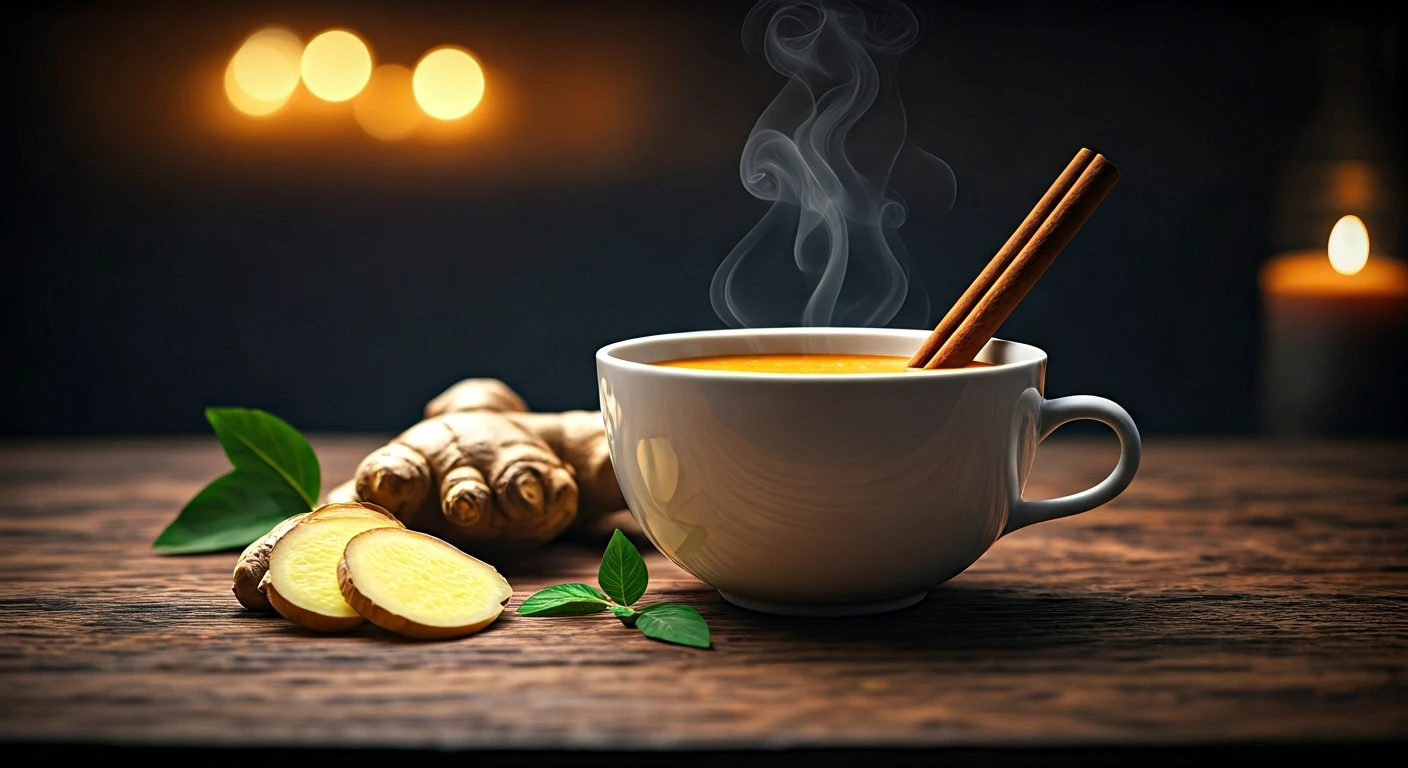
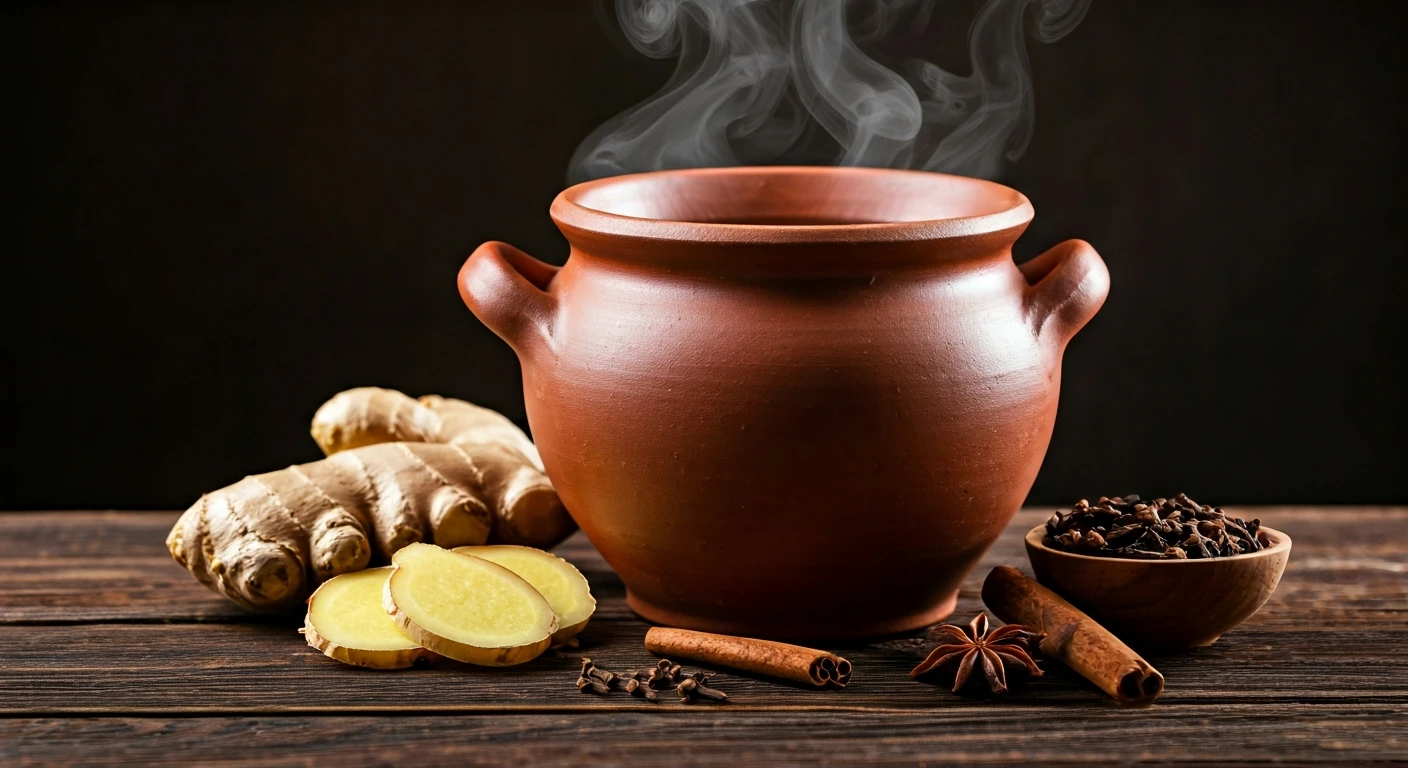
No discussion of monsoon wellness is complete without mentioning kadha. This traditional Ayurvedic decoction is a powerhouse of herbs and spices, specifically designed to ward off illness. A typical kadha includes ingredients like tulsi, ginger, black pepper, cloves, and cinnamon, all boiled in water and sometimes sweetened with a drop of honey. Each ingredient plays a role: cloves soothe sore throats, black pepper helps with congestion, and ginger fights inflammation. Having a small cup of kadha daily can act as a protective shield, strengthening your body's natural defences against seasonal ailments.
What to Leave Off the Plate
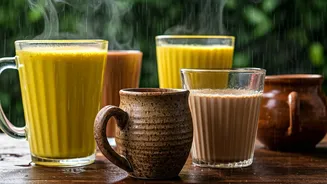
A smart wellness strategy is as much about what you avoid as what you include. During the monsoon, it's wise to limit or avoid drinks that can compromise your health. Steer clear of juices from street vendors, as the water and hygiene can be questionable. Cut back on carbonated, sugary drinks, which offer no nutritional value and can weaken immunity. While a cup of chai is a monsoon ritual for many, excessive caffeine can be dehydrating. The key is moderation and making conscious choices that support, rather than challenge, your body during this beautiful but tricky season.