


A Hunger for Healthier Bites
The single biggest driver behind this trend is a seismic shift in consumer awareness. Indians are increasingly health-conscious, actively seeking out foods that offer functional benefits beyond just taste. A 2025 study revealed that 72% of Indian consumers
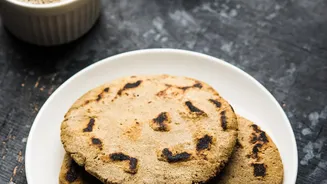
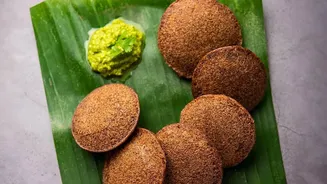
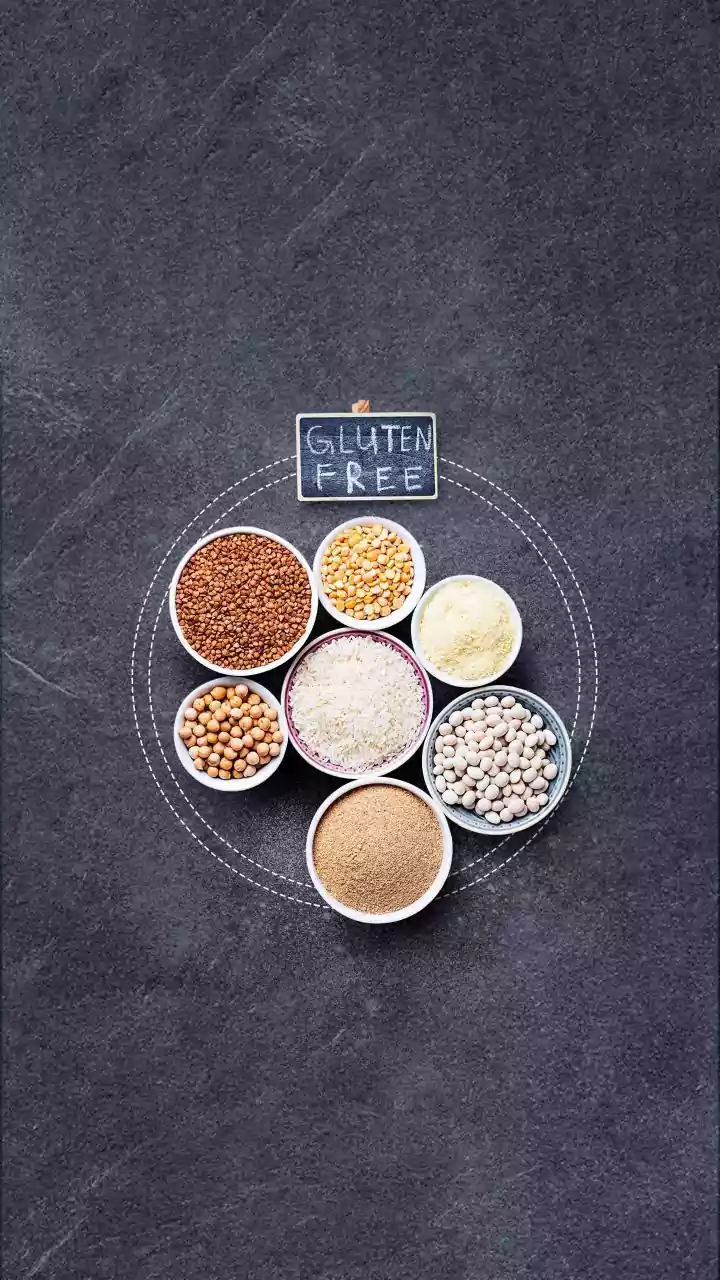
prioritise health when choosing snacks, and more than half are looking for natural, preservative-free ingredients. Millets like ragi (finger millet) and jowar (sorghum) fit this demand perfectly. Ragi is a powerhouse of calcium, crucial for bone health, while jowar is loaded with protein and dietary fibre. Both grains are naturally gluten-free, catering to a growing population with gluten sensitivities. They also have a low glycemic index, which helps in managing blood sugar levels by providing sustained energy without the spikes associated with refined flour (maida). For a growing number of urban consumers, a cookie or a slice of cake made from these ancient grains feels less like an indulgence and more like a mindful, nutritious choice.
Returning to Traditional Roots
This movement is about more than just nutrients; it's a cultural homecoming. For generations, ragi and jowar were staples in Indian kitchens, valued for their resilience and nourishment. Their reappearance in modern bakeries represents a fusion of tradition and contemporary taste. Bakers are finding that these familiar, earthy flavours resonate deeply with customers. By incorporating millets, they are not just selling a product but also an emotion—a connection to heritage and a sense of pride in local ingredients. This trend reimagines what a bakery can be in an Indian context, moving beyond European-style pastries to create products that feel both innovative and deeply rooted in the country's own agricultural and culinary history. It bridges a generational gap, making the grains our grandmothers swore by appealing to a younger, modern audience in a new, delicious form.
A Smart Recipe for Business Success
For local bakers, embracing millets is a savvy business decision. It provides a powerful unique selling proposition (USP) that helps them stand out from larger, commercial chains. While the initial investment in recipe development can be high, the rewards are significant. Bakers can cater to a dedicated and growing niche of health-conscious customers who are often willing to pay a premium for high-quality, nutritious products. Some entrepreneurs have built entire businesses around this concept, creating successful brands that employ local women and support farmers. For instance, one Patna-based bakery chain built a multi-crore business by training rural women to create millet-based products, establishing a sustainable supply chain that benefits the entire community. This strategy not only drives revenue but also builds a loyal customer base that values health, community, and authenticity.
The Art and Science of Millet Baking
Successfully substituting millets for refined wheat flour is not a simple task. These ancient grains are gluten-free, which means they lack the protein that gives conventional breads and cakes their airy, elastic structure. This presents a significant technical challenge for bakers. Achieving the right texture requires skill, experimentation, and a deep understanding of how these flours behave. Many bakers blend millet flours with other flours like whole wheat or almond flour to achieve a softer crumb. They also use natural binding agents like yoghurt, flaxseed, or mashed bananas to hold the batter together and add moisture, as millet flours tend to be very absorbent. Perfecting a gluten-free millet cookie can take dozens of attempts. This innovative spirit and dedication to craft are what allow these local bakers to transform a humble grain into a truly special baked good, proving that delicious and healthy can go hand-in-hand.