






Beyond 'Beast Mode'
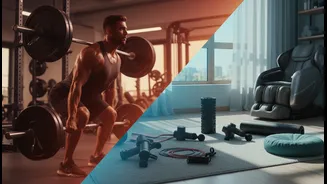
The traditional image of strength training often involves pushing to failure, chasing one-rep maxes, and believing that soreness is the only true measure of a good workout. This 'beast mode' philosophy can be effective for competitive powerlifters or athletes
with specific, short-term goals. For most people, however, this approach can be a fast track to burnout, plateaus, and even injury. The fitness landscape in 2026 is seeing a significant shift away from this mindset. People are realising that the ultimate goal isn't just to lift the heaviest weight today, but to be able to lift, move, and feel good for decades to come. This has sparked a new conversation focused on smarter, more sustainable methods.
The Power of the Minimum
A core concept in this new approach is the 'Minimum Effective Dose' (MED). Borrowed from medicine, MED in fitness refers to the smallest amount of training required to produce a desired result, like building or maintaining muscle. It challenges the 'more is more' mentality by asking a more efficient question: what is the least I can do to still make progress? Research and real-world application show this is surprisingly little. For instance, recent studies have highlighted a 'sweet spot' for longevity, linking 90 to 120 minutes of strength training per week with a significantly lower risk of premature death. Interestingly, the benefits appeared to level off beyond 120 minutes per week, suggesting that endless hours in the gym aren't necessary for profound health benefits. This approach is about stimulating the muscle, not annihilating it, which allows for better recovery and consistency.
Redefining Your Maximum
This new conversation doesn't eliminate the idea of maximum effort; it reframes it. Instead of constantly testing your absolute limits with one-rep maxes, the focus is on strategic intensity. For many everyday athletes, a 'maximum' effort might mean lifting a challenging weight for a set of 3-5 reps with perfect form, rather than a risky, all-out single. This is about training with high intent and quality, but leaving the gym feeling stimulated, not destroyed. This method of 'sub-maximal' effort has been shown to build significant strength without the same nervous system fatigue or injury risk. By balancing these periods of high intensity with adequate recovery and lower-intensity work, you create a system that allows for continuous progress over the long term, avoiding the burnout that derails so many fitness journeys.
Sustainability Is the New Goal
Ultimately, the new strength conversation is about playing the long game. The focus is shifting from short-term performance to lifelong healthspan and durability. A recent report found that gym-goers are increasingly motivated by maintaining fitness levels and building habits, with the vast majority of their training time spent in lower-to-moderate intensity zones. This prioritises joint health, nervous system recovery, and, most importantly, consistency. When you're not constantly pushing your body to the brink, you're less likely to get injured and more likely to show up for your next workout. This consistency is the true secret to long-term results, whether your goal is building bone density, improving your metabolism, or simply having the strength to enjoy life's activities for years to come.
How to Train Smarter
Adopting this sustainable approach doesn't require a complete overhaul. Start by focusing on the fundamentals. Prioritise technique over ego, ensuring every repetition is performed with control. Aim for that sweet spot of 90-120 minutes of total strength work per week, which can be broken into two or three sessions. Listen to your body—not every day needs to be a high-intensity day. Incorporate 'movement snacks' like walking or stretching on your off days to aid recovery. Combining strength work with regular aerobic exercise offers the greatest longevity benefits. By thinking of fitness as a lifelong practice rather than a series of intense battles, you can build a routine that serves you not just for a season, but for life.