






What Are Electrolytes and Why Do They Matter?
Electrolytes are essential minerals—like sodium, potassium, magnesium, and calcium—that carry an electric charge. They are vital for numerous bodily functions critical to athletic performance, including regulating fluid balance, enabling muscle contractions,
and transmitting nerve signals. When you sweat during intense exercise, you lose not just water but also these crucial minerals. Sodium is the primary electrolyte lost in sweat. An imbalance can quickly lead to a decline in performance, muscle function, and overall health.
Recognizing the Warning Signs of Depletion
Your body often sends clear signals when electrolyte levels are low. The most common initial symptoms include muscle cramps, spasms, or weakness. You might also experience fatigue that doesn't improve with rest, dizziness, headaches, or nausea. In more serious cases, an imbalance can lead to confusion, an irregular heartbeat, or a feeling of numbness in your hands and feet. Paying attention to these early warnings is the first step in preventing a more significant issue.
The Danger of Too Much Water: Hyponatremia
While hydration is key, drinking excessive amounts of plain water during prolonged exercise can be dangerous. This can lead to a condition called exercise-associated hyponatremia, where the concentration of sodium in your blood becomes dangerously diluted. Symptoms can mimic those of dehydration but include confusion, vomiting, and in severe cases, seizures. To avoid this, it's crucial to replace both fluids and the sodium lost through sweat, especially during workouts lasting longer than an hour.
Strategy 1: Before You Train
Proper electrolyte management starts before your workout begins. Aim to be well-hydrated in the hours leading up to a training session by drinking 500-600 ml of water or an electrolyte drink two to three hours beforehand. For long or particularly intense sessions in the heat, some athletes practice pre-session sodium loading, which involves consuming a saltier snack or a higher-sodium electrolyte drink to help the body retain fluid and prepare for sweat loss.
Strategy 2: During Your Workout
For runs or rides under 60 minutes, water is generally sufficient. For longer endurance efforts, you need to actively replace electrolytes. Aim to sip an electrolyte-containing sports drink, powder mix, or chew every 15-20 minutes. The goal is not just to chug fluids but to maintain a steady intake that balances what you're losing. Products with 300-600 mg of sodium per hour are often recommended for prolonged exercise in the heat. Always test your strategy during training to see what works best for your stomach and sweat rate.
Strategy 3: After You Train
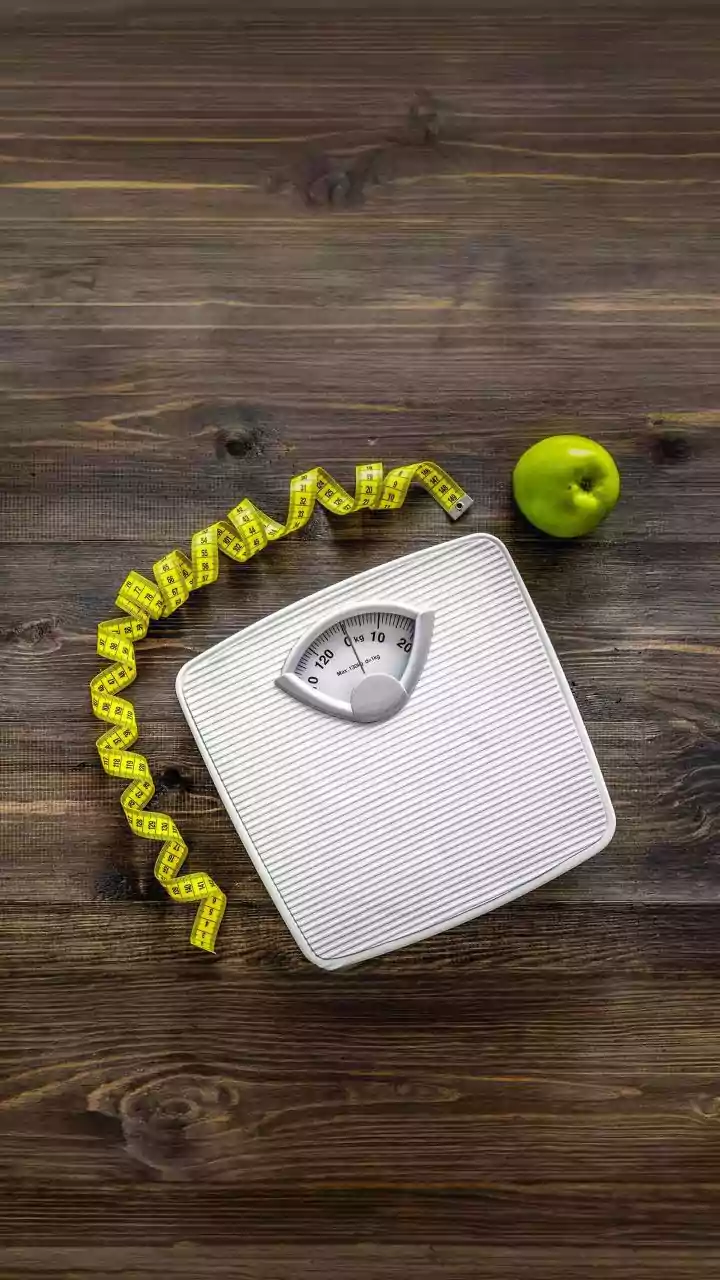
The recovery window is just as important. Your priority after a workout is to replenish the fluids and electrolytes lost. Aim to rehydrate within the first 30-60 minutes post-exercise. A good rule of thumb is to drink 1.5 litres of fluid for every kilogram of body weight lost during your session. A recovery drink containing both electrolytes and carbohydrates can help restore balance and replenish energy stores. This is also a great time to incorporate whole foods.
Food as Fuel: Natural Electrolyte Sources
While sports products are convenient, you can also replenish electrolytes through your diet. Bananas and sweet potatoes are excellent sources of potassium. Dairy products like milk and yogurt provide calcium. Leafy greens such as spinach offer magnesium and calcium. For sodium, consider adding a pinch of sea salt to your meals, or snacking on salted nuts, pickles, or pretzels. Coconut water is another popular natural option, rich in potassium.