




The Superfood Hiding in Plain Sight
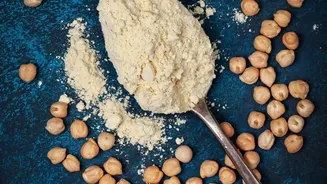
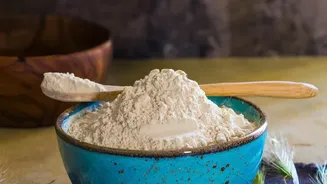
For generations, sattu has been a staple in states like Bihar, Jharkhand, and Uttar Pradesh, known as a source of strength for farmers and labourers. It's a flour made by dry-roasting and grinding pulses, most commonly Bengal gram (chana). This roasting process
is key; it gives sattu a unique nutty flavour, makes it easier to digest, and improves the bioavailability of its nutrients compared to raw flour like besan. Traditionally, it’s mixed into a refreshing, savoury drink called sattu sharbat to combat the summer heat or used as a filling for parathas. Long considered a modest, rural food, its powerful nutritional profile is now capturing the attention of a new, fitness-conscious generation.
A Nutritional Powerhouse
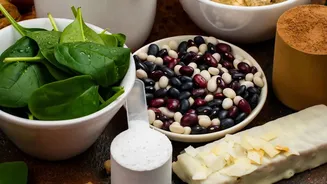
The reason for sattu's resurgence lies in its impressive nutritional stats. It is packed with high-quality plant-based protein, with some sources stating it contains around 20-25 grams of protein per 100 grams. This makes it an excellent alternative to commercial whey protein powders, especially for vegetarians and vegans. Beyond protein, sattu is exceptionally rich in dietary fibre, which aids digestion, promotes gut health, and keeps you feeling full for longer, helping with weight management. It also boasts a low glycemic index, meaning it releases energy slowly without causing sharp spikes in blood sugar, making it suitable for people with diabetes. Furthermore, it’s a great source of essential minerals like iron, magnesium, and calcium.
Why it Works in a Smoothie Bowl
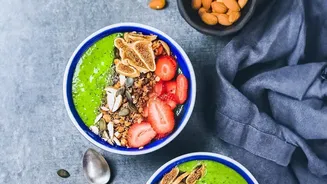
The smoothie bowl trend is all about creating a thick, spoonable smoothie base and loading it with nutritious toppings. The goal is a visually appealing, nutrient-dense meal rather than a simple drink. This is where sattu shines. Its fine, flour-like texture acts as a natural thickener, creating a creamy and substantial base without the need for excess frozen fruit. Its earthy, nutty taste pairs surprisingly well with a wide range of ingredients, from fruits like bananas and mangoes to flavours like cocoa and peanut butter. By adding a few tablespoons of sattu to a smoothie, you instantly upgrade it from a light snack to a complete meal, packed with protein, fibre, and sustained-release energy.
How to Create Your Own Sattu Smoothie Bowl
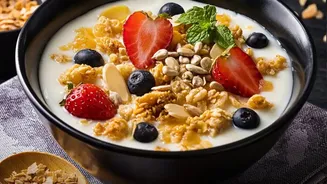
Making a sattu smoothie bowl is simple and highly customizable. Start with a basic formula and adjust to your taste. In a blender, combine 3-4 tablespoons of sattu flour, one ripe banana for natural sweetness and creaminess, and about 200ml of your preferred liquid, such as chilled milk, almond milk, or yogurt. For an extra protein and flavour boost, add a tablespoon of peanut butter or a handful of soaked almonds. You can also add a couple of dates for more sweetness or a teaspoon of cocoa powder for a chocolatey twist. Blend everything until it’s thick and smooth. Pour the mixture into a bowl. Now for the fun part: the toppings. Arrange slices of fresh fruit, a sprinkle of pumpkin seeds, chia seeds, chopped nuts, or a dash of cinnamon on top for added texture and nutrients. The result is a filling, delicious, and incredibly healthy meal that will keep you energised for hours.