






An Atmosphere of Ancient Drama
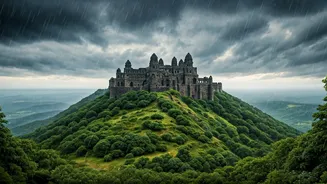
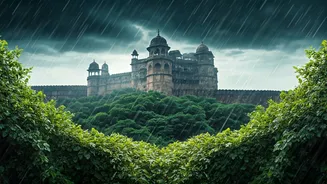
Forget the harsh sun and baking stone. Imagine a soft mist rolling over ancient ramparts, the sky a canvas of dramatic grey clouds. This is a fort during the monsoon. The rain washes the stone walls, deepening their colours and highlighting centuries-old
textures. The sound of water dripping from eaves and echoing through empty halls adds a layer of mystery and solitude that you simply cannot find under a clear, sunny sky. Forts in both Rajasthan and Maharashtra, from Kumbhalgarh to Raigad, are famous for this transformation. The rain quiets the world, allowing the history of the place to speak a little louder, turning your visit from a simple tour into an immersive, atmospheric journey back in time.
A Private Audience with History
One of the most practical and profound benefits of monsoon travel is the significant reduction in crowds. Tourist hotspots that are typically swarmed with visitors become quiet, contemplative spaces. You get to explore the sprawling grounds of places like Chittorgarh or Daulatabad Fort without jostling for space or waiting in long queues. This solitude offers a rare chance to connect with the monument on a personal level. You can stand alone in a royal court, imagining the kings and queens who once stood there, or wander through deserted corridors with only the sound of the rain for company. It’s a more intimate and authentic experience, where the fort feels less like a tourist attraction and more like your own private discovery.
Nature's Lush, Green Comeback
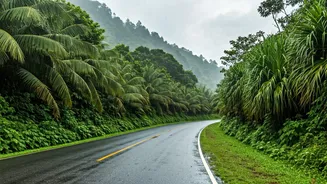
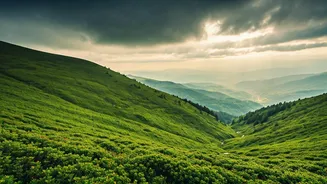
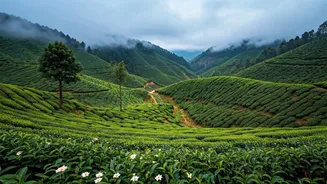
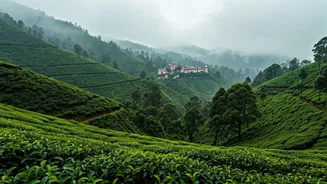
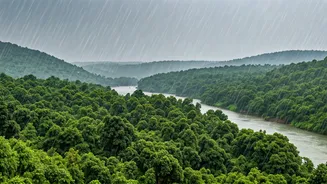
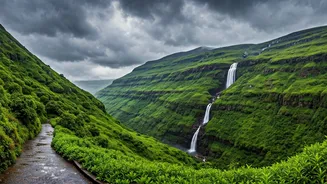
Many of India's most formidable forts are set in arid or semi-arid landscapes that parch under the summer sun. The monsoon triggers a spectacular revival. The rugged Aravalli hills surrounding forts like Kumbhalgarh and Nahargarh in Rajasthan transform into a carpet of lush green. In Maharashtra, the Sahyadri mountains, home to numerous forts like Lohagad and Sinhagad, burst into life with vibrant flora and gushing waterfalls. This contrast between the formidable stone architecture and the soft, vibrant greenery is visually stunning. The moats fill with water, the gardens within the fort walls flourish, and the entire landscape feels alive and rejuvenated.
A Photographer’s Dream
If you love photography, a rainy day at a fort is a gift. The overcast sky acts as a giant softbox, providing soft, even light that eliminates harsh shadows and brings out the subtle details of the architecture. Rain creates reflections, turning simple puddles into mirrors that can be used for stunningly creative shots of gateways and ramparts. The mist and low-hanging clouds add layers and depth to your images, creating a moody, cinematic quality. Whether it's the dramatic silhouette of Raigad Fort against a cloudy sky or the rain-slicked pathways of Amer Fort, the monsoon provides endless opportunities for evocative and unique photographs that a sunny day simply can't offer.
The Cozy Comforts Beyond the Walls
The experience doesn't end when you leave the fort. One of the greatest pleasures of a rainy day adventure is the retreat that follows. Ducking into a local cafe near the fort to escape a downpour and warming up with a steaming cup of masala chai and a plate of hot pakoras is a quintessential Indian monsoon experience. The monsoon is considered a low tourist season in many parts of India, which often means more affordable prices for luxury hotels and heritage stays. After a day spent exploring misty battlements, returning to a comfortable room with a view of the rain-swept landscape is the perfect, cozy end to a majestic day.