



The Science of Winter Dryness
The primary reason skin suffers in winter is a sharp drop in humidity. Cold air simply cannot hold as much moisture as warm air. This low-humidity environment acts like a sponge, pulling water directly from the outer layer of your skin, a process known
as transepidermal water loss (TEWL). This process compromises your skin's natural protective barrier, which is made of cells and lipids designed to lock in moisture and keep irritants out. When this barrier weakens, your skin becomes vulnerable, leading to dryness, flakiness, and increased sensitivity.
Why Your Heater Is the Unseen Culprit
While you are cosying up indoors to escape the cold, your heating system is often making your skin's condition worse. Heaters, whether central systems or portable units, warm up the air without adding any moisture. This drastically lowers the relative humidity indoors, sometimes to levels drier than a desert. Since most people spend the majority of their time indoors during winter, this sustained exposure to artificially dry air can be more damaging than brief periods spent in the cold outdoors. The 'thirsty' indoor air constantly draws moisture from your skin, accelerating water loss and leaving your skin feeling perpetually tight and dehydrated.
Combat Dry Air by Adding Humidity
One of the most effective ways to counteract the drying effects of indoor heating is to reintroduce moisture into your environment. Using a humidifier is a simple solution. These devices release water vapour into the air, helping to maintain an optimal indoor humidity level of between 40% and 60%. This balances the air, so it stops pulling moisture from your skin. Running a humidifier at night is particularly beneficial, as the skin undergoes its natural regeneration process during sleep. Consistent use can lead to improved skin hydration, reduced irritation, and even a plumper appearance. Just remember to clean the unit regularly to prevent the growth of bacteria.
Adapt Your Skincare Routine
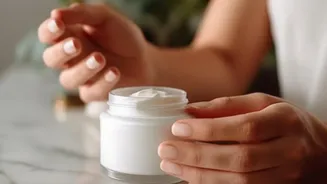
A winter skincare routine requires a focus on hydration and barrier repair. Start by swapping harsh, foaming cleansers for gentle, creamy, or oil-based formulas that won't strip the skin of its natural oils. After cleansing on damp skin, layer hydrating products. Look for serums containing humectants like hyaluronic acid and glycerin, which draw moisture into the skin. Follow up with a richer moisturiser than you might use in summer. Creams and ointments are better choices than thin lotions. Key ingredients to look for are ceramides, which help rebuild the skin's barrier, and occlusives like shea butter or squalane, which form a protective seal to prevent moisture loss.
Lifestyle Habits for Hydrated Skin
Small changes to your daily habits can make a significant difference. Resist the temptation of long, steaming hot showers, which can strip protective oils from your skin; opt for shorter, lukewarm showers instead. Apply your body moisturiser immediately after bathing while your skin is still damp to trap hydration effectively. Hydration also comes from within, so ensure you are drinking plenty of water throughout the day. Furthermore, incorporating foods rich in omega fatty acids, like fish and flaxseeds, can help support your skin's barrier function from the inside out.