



A Calendar Full of Flavour
For years, 'Indian food' in many cities meant a predictable roster of popular North Indian dishes. But a growing number of restaurants are now looking beyond the usual suspects. They are using regional harvest festivals as a gateway to introduce diners
to the incredible diversity of India's culinary traditions. Think of the grand Onam Sadhya from Kerala, the comforting harvest feasts of Pongal in Tamil Nadu, or the unique delicacies of Magh Bihu from Assam. These festivals, deeply rooted in the agricultural cycle, provide a perfect narrative for restaurants to showcase seasonal produce, heirloom recipes, and the specific flavours that define a region. Instead of a generic menu, diners get to participate in a cultural event, complete with special dishes that are often only cooked in homes during these specific times of the year.
More Than a Meal, It's an Experience
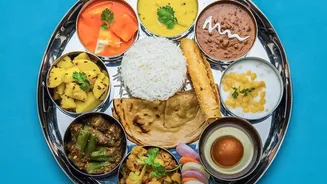
The success of these festive menus lies in their ability to offer more than just food; they offer an experience. During Onam, restaurants recreate the magic of the Sadhya, a magnificent vegetarian feast served on a banana leaf with over 20 different dishes. Diners are treated to a colourful spread of items like Avial (mixed vegetables in a coconut gravy), Olan (a light gourd and bean curry), and various Pachadis (yogurt-based side dishes), culminating in sweet Payasams. Similarly, during Pongal, eateries offer special thalis featuring both sweet Sakkarai Pongal and savoury Ven Pongal, alongside other harvest specialities. For Magh Bihu, the focus shifts to Assamese delights like Til Pitha (rice pancakes with sesame filling) and dishes featuring duck or special winter greens. This approach turns a simple meal into an immersive cultural deep-dive.
A Taste of Home and Authenticity
For many urban Indians living away from their home states, these food festivals are a powerful source of nostalgia. They offer a chance to celebrate a beloved festival with the traditional foods they grew up with, even when they can't be with family. Restaurants become a home away from home, fostering a sense of community. At the same time, this trend caters to a growing curiosity among diners for authentic and hyperlocal food. People are no longer content with watered-down versions of Indian cuisine; they want the real deal. Chefs are responding to this demand, seeing it as an opportunity to share their own heritage and culinary expertise. Many chefs see these festivals as a way to preserve and champion recipes passed down through generations, moving beyond commercialised fare to present food that tells a story.
Good for Culture, Good for Business
This trend is also a savvy business strategy. In a highly competitive restaurant market, offering a unique, time-bound festival menu creates a buzz and a sense of urgency. It gives regulars a new reason to visit and attracts adventurous foodies looking for their next culinary discovery. Hotels and restaurant chains across major cities like Mumbai, Bengaluru, Delhi, and Chennai have embraced this model, launching extensive promotions around festivals like Pongal and Onam. These events are often marketed as special thalis, buffets, or curated tasting menus, transforming the restaurant into a festive destination. By highlighting authenticity and regional pride, these establishments build a reputation that goes beyond just good food, positioning themselves as cultural ambassadors.