
Setting the Scene: Your Winter Windowsill Garden
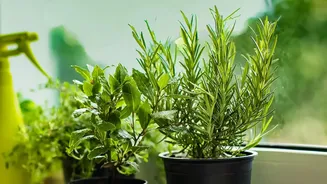
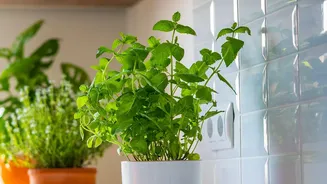
Growing herbs indoors during winter presents a unique set of challenges, primarily centred around light and humidity. Most herbs, including coriander and mint, ideally need at least six to eight hours of bright light each day. A south-facing window is
your best bet for maximizing the limited winter sun. If you have an east or west-facing window, that can also work, but you'll need to be more attentive. Don't worry if your home isn't flooded with natural light. A simple LED grow light placed 6 to 12 inches above your plants for 12 to 16 hours a day can effectively supplement the sun and prevent your herbs from becoming 'leggy' or stretched. Remember to rotate your pots every few days to encourage even growth, as plants will naturally lean towards their light source.
The Right Home: Pots and Soil
Choosing the right container is crucial for success. Always opt for pots with drainage holes to prevent water from logging at the roots, which can lead to rot. When it comes to material, plastic or glazed ceramic pots are excellent choices for herbs like mint and coriander that prefer consistently moist soil. These non-porous materials retain moisture longer than unglazed terracotta. For soil, never use dense garden soil, which compacts easily in pots and can harbour pests. Instead, use a high-quality, well-draining potting mix. This will provide the right balance of aeration and moisture your herbs need to thrive.
Tackling Coriander: The Cool-Season Sprinter
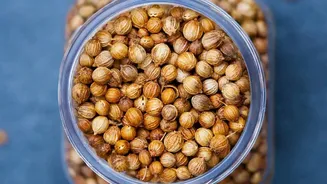
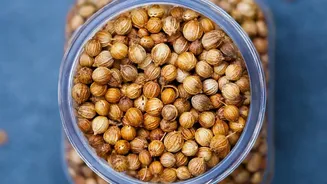
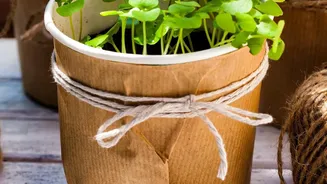
Coriander has a reputation for being tricky because it's prone to 'bolting'—flowering and going to seed prematurely, which makes the leaves bitter. The primary triggers for bolting are heat, long daylight hours, and root stress. The good news is that indoor winter growing is actually ideal for avoiding this. Keep your coriander in a cooler spot, ideally below 22°C. To avoid root disturbance, it's best to sow seeds directly into their final pot. Plant seeds about 1 cm deep and keep the soil consistently moist but not waterlogged. The most effective strategy for a continuous supply is succession planting: sow a small new batch of seeds every three to four weeks. This ensures you'll always have a plant in its peak leafy stage.
Mastering Mint: The Eager Grower
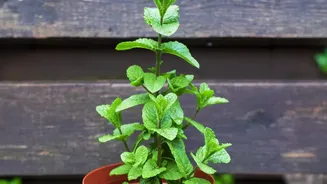
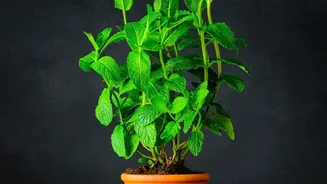
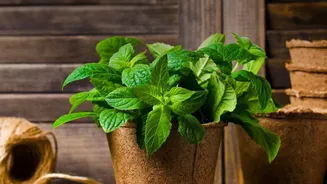
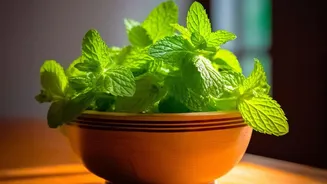
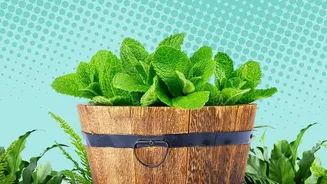
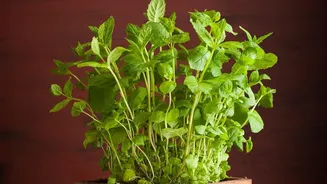
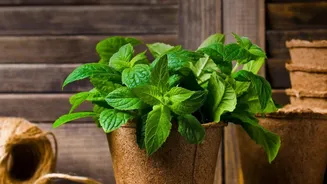
Mint is famously easy to grow and incredibly forgiving, making it perfect for beginners. Its biggest quirk is its aggressive nature; it spreads via runners and will quickly take over any shared space. For this reason, always give mint its own dedicated pot. A wide container, about 8 to 12 inches in diameter, is better than a deep one, as it gives the runners room to spread sideways. Mint is less demanding about light than coriander but still appreciates a bright spot. It thrives in soil that is kept consistently damp. Peppermint and spearmint are classic choices, and both grow very well indoors. You can start mint from seeds or, for a quicker result, propagate it from a cutting taken from an established plant.
Watering and Harvesting for Success
Overwatering is one of the most common mistakes with indoor herbs. A good rule is to check the soil before you water. Stick your finger about an inch deep; if it feels dry, it's time to water. When you do water, do so thoroughly until it runs out the drainage holes, but don't let the pot sit in a saucer full of water. Winter heating can make indoor air very dry, so you can increase humidity by grouping plants together or placing them on a tray of pebbles with a little water. Frequent harvesting is key to encouraging bushy, productive plants. Regularly snip off the top leaves of both mint and coriander. This not only gives you fresh herbs for your kitchen but also stimulates the plant to produce more growth.