



Beyond the Usual Suspects
For decades, the Indian pantry was defined by a few mass-produced sauces. They were convenient and consistent, but often one-dimensional. Culinary enthusiasts and everyday home cooks are now seeking more. They are looking to break the monotony of everyday meals—a
simple plate of dal and rice, a quick sandwich, or a bowl of noodles—and elevate them into something special. This has sparked a rediscovery of the immense diversity of chutneys, pickles (achaar), and powders (podis) that have always been a cornerstone of regional Indian cuisine but were rarely available outside their native areas. The shift is away from factory-made uniformity and towards flavours that are complex, authentic, and have a distinct personality.
A Taste of Terroir and Tradition
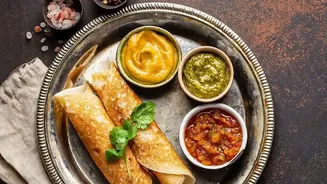
What makes these handcrafted condiments so compelling is their connection to 'terroir'—the unique landscape, climate, and culture of a specific region. Think of the sharp, pungent kick of Bengali Kasundi, a fermented mustard relish that can liven up fried snacks or fish. Or consider the fiery, smoky depth of a Naga chilli and bamboo shoot pickle from the Northeast, made with the formidable Bhut Jolokia pepper. From the southern states, you have podis or 'gunpowders'—coarsely ground powders of roasted lentils, seeds, and spices that add a nutty, savoury crunch to everything from idlis to steamed rice with ghee. These are not just flavour enhancers; they are edible history, often made using generational recipes and local ingredients that are impossible to replicate on an industrial scale.
The Drive for Authenticity and Wellness
The growing popularity of regional condiments is fuelled by more than just a search for new tastes. It aligns with a broader consumer shift towards wellness and clean eating. Many small-batch producers pride themselves on using natural ingredients without artificial preservatives, colours, or flavour enhancers. There is a transparency and trust that comes with knowing your condiment was made by a person, not a machine, often using slow fermentation or sun-drying techniques that develop deeper flavours. This movement also champions local economies, supporting farmers and women-run collectives who cultivate indigenous ingredients, from Sirarakhong's Hatei chillies in Manipur to the dried prawns of Mangalore used in a traditional 'galmbyachi' chutney.
From Local Markets to Your Kitchen
Until recently, accessing these regional gems required a trip to that specific state or a friend who would bring some back. The rise of direct-to-consumer (D2C) brands and online gourmet stores has been a game-changer. Artisanal brands are now packaging these traditional flavours in beautiful jars and making them available across the country. Brands like Naagin, Small Batch Co., and Spice Story are reimagining traditional recipes for the modern palate, offering everything from fiery hot sauces to traditional chutneys in convenient formats. This digital marketplace allows consumers in metro cities to explore the sour tang of Coorg's Kachampuli vinegar or a Maharashtrian Thecha just as easily as they can buy their groceries.
Simple Upgrade, Big Impact
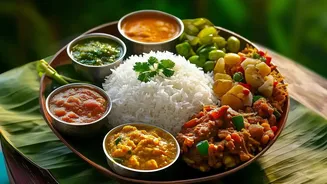
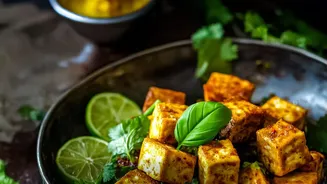
The real beauty of this trend is its simplicity. You don't need to be a gourmet chef to participate. A plain omelette can be transformed with a spoonful of smoked chilli oil. A simple bowl of curd rice becomes a flavour explosion with a sprinkle of Andhra-style Paruppu Podi. A dollop of Goan Recheado masala can marinate paneer or chicken for a quick, flavour-packed stir-fry. These condiments work as marinades, dips, spreads, and finishing sauces, offering a shortcut to complex flavour with minimal effort. They invite experimentation, encouraging cooks to mix and match, pairing a South Indian pickle with a North Indian paratha, proving that the old rules no longer apply.