






The End of the Off-Season
For years, the June-to-September period was considered a quiet quarter for Indian tourism. Hotels offered heavy discounts to fill empty rooms as travellers typically avoided the rains. That picture has been completely repainted. Recent data reveals a dramatic
shift, with overall hotel bookings during the monsoon season surging by over 50% year-on-year. One travel platform reported that hotel bookings for some destinations have grown as much as ten-fold compared to the same period last year. This isn't a niche trend; it's a mainstream movement. Even classic destinations like Goa, long a winter favourite, have seen hotel bookings increase by over 110% during the monsoon. The rainy season is no longer a lull but a strategic demand period that the hotel industry is now racing to embrace.
What's Driving the Downpour of Tourists?
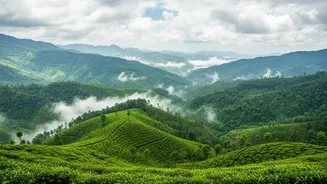
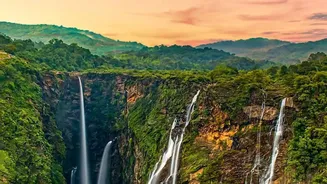
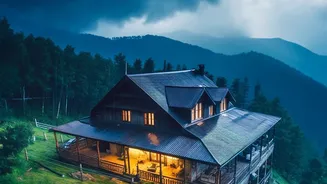
Several factors are fuelling this change. A key driver is the pursuit of experiences over mere destinations. Travellers are actively seeking the unique beauty that the monsoon brings: lush green landscapes, mist-covered hills, and roaring waterfalls. Social media has played a significant role, turning scenic road trips through the Western Ghats and stays in cloud-enshrouded resorts into aspirational travel goals. Furthermore, the season offers tangible benefits like fewer crowds and more affordable luxury. Hotels that were once prohibitively expensive become accessible, offering attractive packages with inclusions like meals and spa services. The rise of flexible work arrangements and a growing appetite for shorter, more frequent breaks have also empowered travellers to make impulsive, weather-driven plans.
Monsoon Hotspots Across India
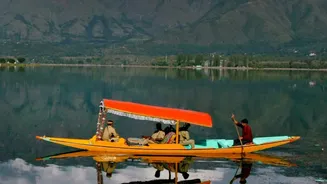
While the entire country is transformed by the rains, certain regions have emerged as clear favourites. The Northeast has seen some of the most dramatic growth, with Nagaland and Arunachal Pradesh recording a staggering 90% year-on-year increase in hotel bookings. Hill stations in the South are also booming. Wayanad in Kerala saw hotel bookings grow by over 160%, while Ooty and Kodaikanal in Tamil Nadu each reported growth exceeding 70%. Traditional hill stations like Mussoorie have also seen a massive influx, with bookings up nearly ten-fold. Even destinations in Rajasthan, like Udaipur, are seeing a surge, with visitors drawn to the romance of its rain-washed palaces and full lakes. The trend is clear: from the mountains of the north to the backwaters of the south, travellers are embracing the unique charm of a rain-soaked India.
The Industry's Swift Response
The hospitality sector is quickly adapting to this new reality. Major hotel groups are reporting significant year-on-year growth in July bookings. Rather than just dropping prices, hotels are now creating curated monsoon experiences. Indian Hotels Co Ltd (IHCL), for instance, has launched monsoon-specific food promotions and is even hosting monsoon weddings in Goa to cater to the new demand. The shift is pushing the industry to rethink its traditional pricing models. Static seasonal rates are becoming obsolete as demand can spike unpredictably based on a long weekend or even a favourable weather forecast. This has led to more dynamic pricing and a focus on wellness, cultural, and nature-based packages designed specifically for the rainy season.
A Permanent Shift in Travel?
This monsoon surge appears to be more than a fleeting trend; it signals a fundamental change in Indian travel behaviour. The traditional peaks and troughs of tourism are flattening, leading to more stable, year-round business for the hospitality industry. According to industry reports, national hotel occupancy has seen a year-on-year increase, with average room rates also climbing. This resilience is largely powered by domestic demand. The Indian traveller is no longer waiting for the 'perfect' season; they are creating their own travel windows driven by personal interests and a desire for new experiences. This shift benefits not only hotels but also local economies in tourist destinations, which can now look forward to more consistent revenue throughout the year instead of relying solely on a few peak months.