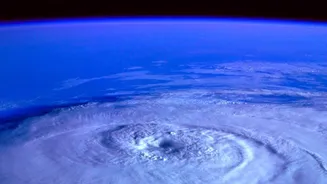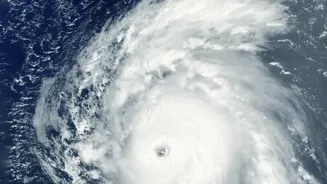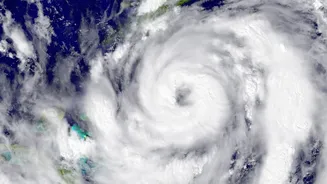



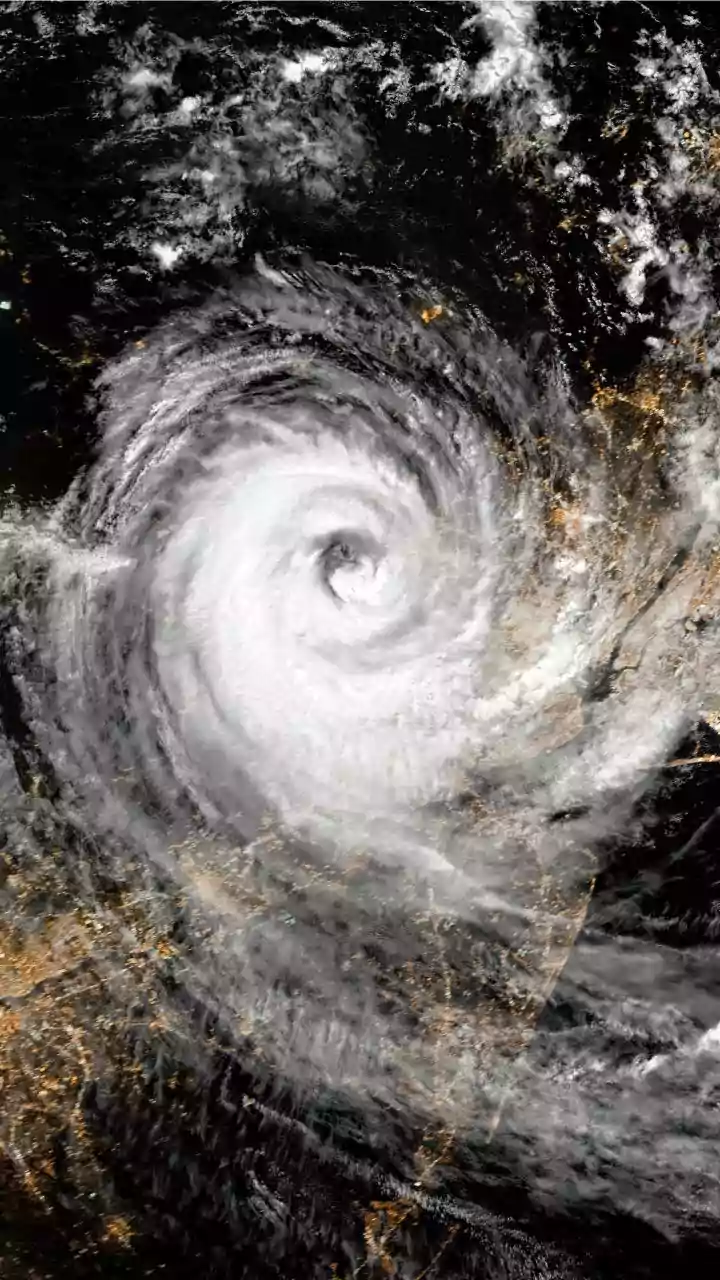

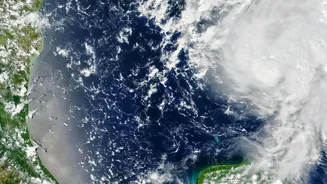

It feels like every cyclone season brings news of another record-breaking storm. Yet, long-term data suggests a curious paradox: we might be seeing fewer cyclones overall, but the ones that form are increasingly powerful and destructive.
A Tale of Two Trends
When a powerful
cyclone makes landfall, discussion often turns to whether climate change is causing more storms. The answer, according to many scientific studies, is more complicated than a simple 'yes'. While it may seem counterintuitive, global and regional data does not show a clear trend of more cyclones forming. In fact, some climate models and observational data suggest that the overall frequency of these massive storm systems in the North Indian Ocean might be holding steady or even slightly decreasing over the long term. This can create a misleading sense of security, as the true nature of the risk is not in the quantity of storms, but in their quality and destructive potential.
The Science of Strength
If not frequency, what is changing? The answer lies in intensity. Cyclones are essentially giant heat engines that draw their energy from warm ocean waters. As global temperatures rise, the sea surface temperature of the Arabian Sea and the Bay of Bengal has been steadily increasing. This super-heats the 'fuel' available to a forming cyclone. The result is that storms can undergo 'rapid intensification', a process where a cyclone’s maximum sustained winds increase dramatically in a short period. So, while the 'spark' for a cyclone might not happen more often, when it does, the available energy allows it to grow into a much more severe and dangerous storm than it would have in the past.
A Warming Arabian Sea
Historically, the Bay of Bengal has been India's most active cyclone basin. However, one of the most significant shifts in recent decades is the increased cyclonic activity in the Arabian Sea. Studies show the Arabian Sea is warming at a faster rate than most other ocean basins. This has led to a noticeable uptick in the frequency of very severe cyclonic storms forming there. States like Gujarat and Maharashtra, which once faced fewer intense cyclones compared to the eastern coast, are now witnessing more powerful storms, forcing a major rethink of their disaster preparedness and coastal infrastructure resilience.
Rethinking Preparedness
This new reality of 'fewer but fiercer' storms has profound implications. A stronger cyclone brings not just higher wind speeds but also a greater storm surge, which can inundate coastal areas far more severely. It can also carry much more moisture, leading to extreme rainfall and catastrophic flooding long after it makes landfall. For disaster management agencies, the focus is shifting. Early warning systems from the India Meteorological Department (IMD) are now trying to better predict rapid intensification. Evacuation plans must account for the need to move more people, further inland, to protect them from the wider reach of a more powerful storm. The challenge is no longer just predicting a cyclone's path, but accurately forecasting its final, ferocious strength.