

Understanding the Humidity Tray
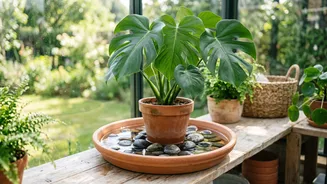
A humidity tray, also known as a pebble tray, is a simple, low-tech device designed to create a pocket of moist air around your plant. It consists of a shallow, waterproof tray filled with a layer of pebbles, gravel, or decorative stones, and water. The
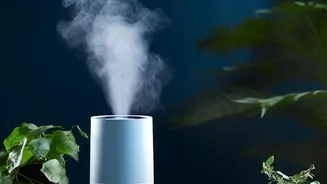
plant's pot sits on top of the pebbles, above the water line. As the water in the tray evaporates, it increases the ambient humidity directly around the plant's foliage, mimicking a more tropical environment. This is especially beneficial during winter months when central heating can make indoor air very dry.
Which Plants Benefit the Most?
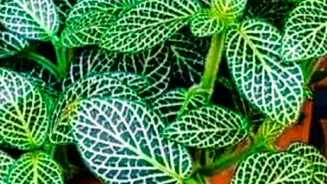
Houseplants native to rainforests and other humid climates are the primary candidates for a humidity tray. If you notice your plants have brown, crispy leaf tips, slow growth, or wilting despite proper watering, low humidity might be the culprit. Plants that thrive with this extra moisture include ferns, calatheas, prayer plants (Maranta), orchids, alocasias, and most types of philodendrons and monsteras. On the other hand, succulents and cacti, which are adapted to arid conditions, do not need and will not benefit from a humidity tray.
A Step-by-Step Guide to Setup
Creating a humidity tray is a straightforward process. First, select a waterproof tray or saucer that is at least a few inches wider than the base of your plant's pot; a wider tray provides a larger surface area for evaporation. Fill the tray with an even layer of pebbles, pea gravel, or decorative stones, about one to two inches deep. Next, pour water into the tray until the level is just below the top of the pebbles. Finally, place your potted plant directly on top of the pebbles. The most critical part of this setup is ensuring the bottom of the pot and its drainage holes are not touching the water.
The Golden Rule: Preventing Waterlogged Roots
The entire purpose of the pebbles is to elevate the pot, keeping it out of the standing water. If the base of the pot sits in the water, the soil will continuously wick up moisture through the drainage holes, leading to constantly saturated soil. This is the fast track to waterlogging, a condition where roots are deprived of oxygen and begin to die. Signs of overwatering and root rot often mimic those of an under-watered plant, such as yellowing, limp leaves, and wilting, because the damaged roots can no longer absorb water effectively. You might also notice a sour or rotten smell from the soil and mushy stems at the base of the plant. Always check that there is a clear gap between the water level and the bottom of the pot.
Maintenance and Best Practices
To keep your humidity tray effective and your plant healthy, a little maintenance is required. Check the water level every few days and refill as needed to maintain a consistent level just below the pebbles. About once every week or two, it's a good idea to empty the tray, scrub the pebbles and tray to prevent the buildup of algae or mould, and refill with fresh water. Grouping several humidity-loving plants together, each on their own tray or sharing a larger one, can create a more effective humid microclimate. Also, ensure there is decent airflow around the plants, as stagnant, humid air can sometimes encourage fungal issues.