






The New Work-Life Equation
In today's demanding work environment, taking a long break of two or three weeks can feel like a professional liability. Many young Indians work in high-pressure jobs with an 'always-on' culture, making it difficult to fully disconnect. Studies have shown
that India is one of the most vacation-deprived nations in the world, with many employees not using their full leave entitlement due to the fear of falling behind or being seen as less committed. This has led to the rise of 'quiet vacationing', where employees take time off without formally disconnecting. Short, 2-3 day holidays, often taken over a long weekend, present a practical solution. They allow for a much-needed break without the stress of a mountain of work upon return.
A Cure for Modern Burnout
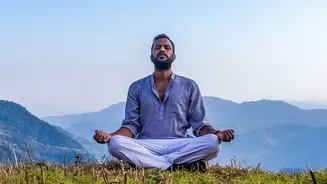
The relentless pace of modern life has made mental well-being a priority for millennials and Gen Z. Rather than waiting an entire year for a single break, many now see frequent, shorter trips as a vital tool for managing stress and preventing burnout. These quick getaways act as regular 'reset buttons', allowing individuals to recharge their mental batteries before exhaustion sets in. A weekend trip to the mountains or a nearby beach town provides an immediate escape from the daily grind, offering a powerful dose of rejuvenation that helps maintain productivity and overall happiness in the long run.
Smarter on the Wallet
While young Indians are prioritising experiences and are willing to spend on travel, they are also financially savvy. A long, elaborate vacation can be a significant financial undertaking. In contrast, spreading travel across several smaller trips is often more manageable for the budget. A report from Airbnb noted that 7 in 10 young travellers would prefer taking three short trips over one long holiday. This modular approach to travel allows for flexibility, as smaller amounts can be saved and spent on getaways to destinations like Goa, Pondicherry, or the hills of Himachal and Uttarakhand, which are popular for such breaks. This makes travel a consistent part of their lifestyle rather than a once-a-year splurge.
The Spontaneity Factor
Unlike the meticulously planned annual family vacation of the past, short holidays thrive on spontaneity. For today's young travellers, a trip is often a reflexive response to an open weekend or a friend's suggestion. Improved connectivity and a wealth of information available online have made last-minute planning easier than ever. An Airbnb report highlighted that 66% of Gen Z travellers book their trips within just days or weeks of departure. This desire for spontaneity and unique experiences also means they often seek out offbeat destinations that aren't necessarily trending on social media, valuing authenticity and personal discovery over ticking off a checklist of famous landmarks.
Travel as Self-Expression
For many young Indians, travel has become a form of self-expression and a way to build community. The choice of destination, the type of stay, and the companions on the trip all reflect personal identity. According to one survey, a staggering 87% of Gen Z travellers believe the way they travel reflects who they are as a person. Group trips with friends and family are also on the rise, with the focus being on creating shared memories and spending quality time together. These short, experience-rich journeys, from attending a music festival to exploring a local food scene, become stories that strengthen bonds and define personal identity far more than a material purchase could.