








The End of an Uncertain Era?
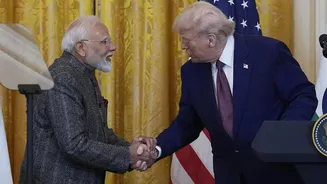
For months, the narrative surrounding India-US trade has been one of stalemate, marked by disputes over tariffs and market access. However, recent statements in October 2026 from US President Donald Trump and Secretary of State Marco Rubio indicate a breakthrough
is imminent, with a new trade agreement expected to be finalized shortly. While this news brings a sense of relief, the prolonged period of unpredictability has created significant headwinds for India's technology sector. The sticking points in the negotiations—digital services taxes, data localization, and market access—go to the heart of how modern tech companies operate, compete, and scale globally. Therefore, while the standoff may be ending, understanding its impact reveals what is truly at stake in the fine print of any new deal.
The Digital Tax Tightrope
A major point of contention has been India's Digital Services Tax (DST), a 2% levy on revenue generated by non-resident digital service providers. This tax primarily affects American tech giants like Google, Amazon, and Meta. In response, the US threatened retaliatory tariffs on a wide range of Indian goods, a move that was suspended to allow for negotiations. For Indian IT and SaaS startups, this created a precarious situation. While the DST aimed to tax foreign firms, the potential for retaliatory tariffs threatened the bottom lines of Indian tech service companies whose largest market is often the United States. A new trade agreement is expected to provide a resolution, potentially averting a tariff war that would have disproportionately harmed Indian exporters and smaller tech firms reliant on access to the US market.
Data, Dollars, and Digital Borders
Perhaps more critical for the startup ecosystem are the rules governing data. India's push for data localization, reinforced by the Digital Personal Data Protection Act (DPDPA), has been a source of concern for US companies and a compliance challenge for Indian startups. These rules can mandate that certain types of data be stored within India's borders. For a startup building a global product on cloud platforms like AWS or Google Cloud, or for a services company processing international client data, such rules can increase operational costs and complexity. They can create hurdles for using global software, collaborating with international partners, and serving a global customer base. A comprehensive trade deal could establish a more predictable framework for cross-border data flows, reducing this friction and allowing startups to operate more seamlessly in the global digital economy.
Investment and the High Cost of Uncertainty
Beyond specific policies, the greatest cost of the trade standoff has been uncertainty. Venture capitalists and foreign investors prize predictability. When the rules governing key markets can change based on the outcome of tense negotiations, it introduces risk that can chill investment. Indian startups seeking to raise capital for global expansion have faced questions about the stability of the trade relationship with their largest potential market. A finalized agreement, especially one that settles the thorny issues of digital trade for the long term, would send a powerful signal of stability. This clarity is crucial for founders developing multi-year business plans and for investors willing to back those plans with significant capital. Resolving the dispute removes a major question mark hanging over the Indian startup ecosystem's global ambitions.