



As Diwali approaches, a familiar warmth fills Indian kitchens. But in Maharashtra, this festive spirit has a unique aroma, thanks to faral. Now, the special spice blends behind these beloved snacks are finding a new audience nationwide.
The Heart of a Maharashtrian Diwali
For those unfamiliar,
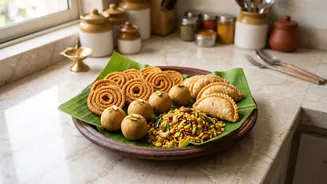
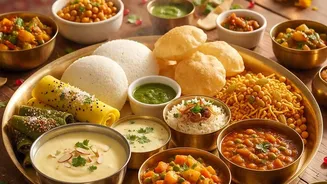
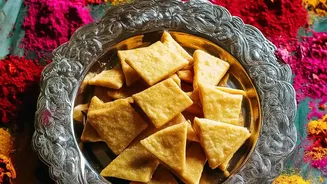
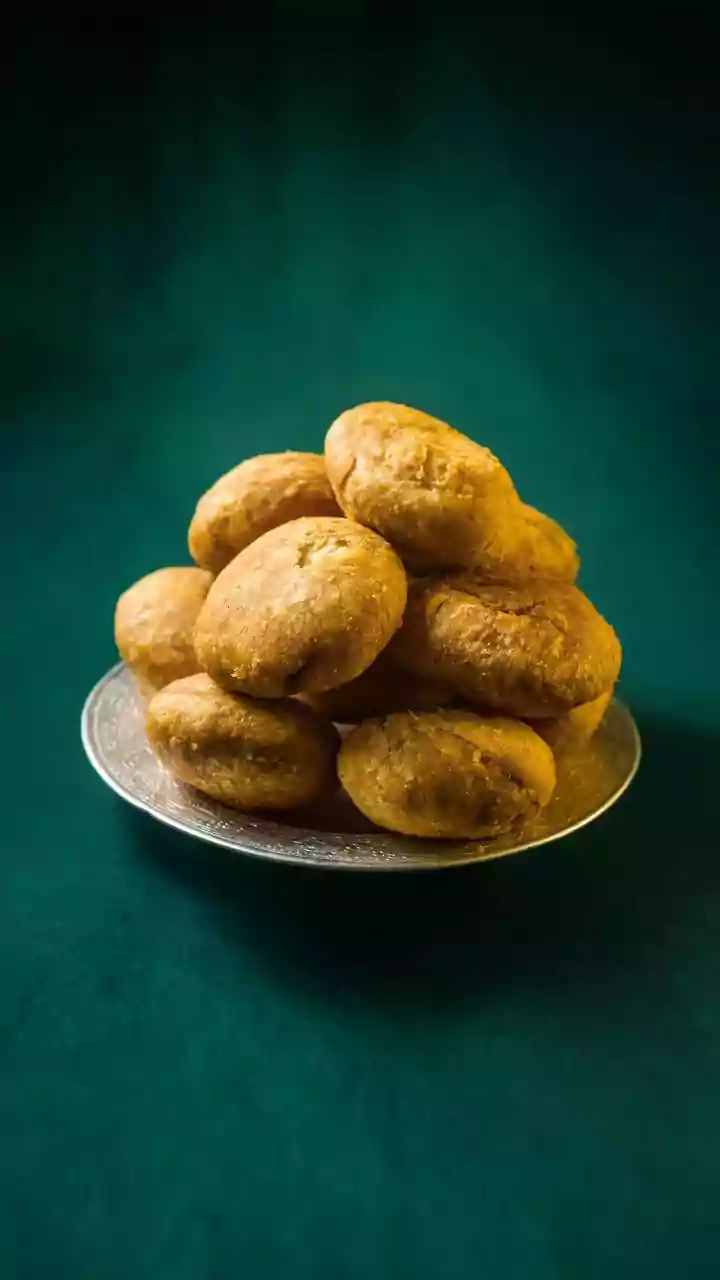
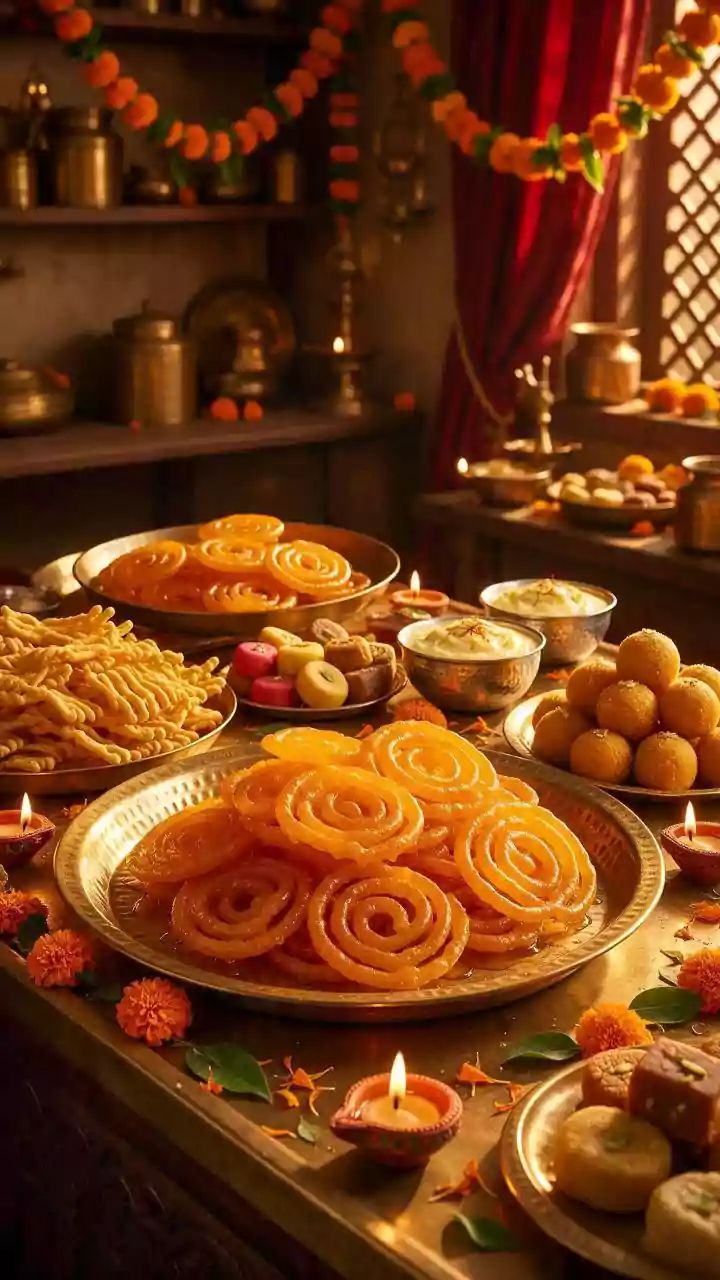
'faral' is the collective name for a delightful assortment of sweet and savoury snacks prepared in Maharashtrian homes for Diwali. This isn't just about a few treats; it's a culinary tradition where families prepare items like crispy, spiral-shaped Chakli, diamond-cut Shankarpali, sweet Karanji pastries, and savoury Chivda in large batches. These snacks are made to be shared with friends, family, and guests who visit during the festival, representing a gesture of hospitality and celebration. While the individual items are delicious, their soul lies in the distinctive spice blends that give them their signature taste, a flavour profile that stands apart from festive foods in other parts of the country.
Introducing Goda Masala: The Gentle Giant
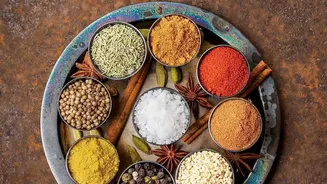
At the centre of this flavour universe is Goda Masala, a cornerstone of Maharashtrian Brahminical and central Maharashtrian cooking. Unlike the fiery garam masalas of the north, 'goda' translates to 'sweet' or 'mild' in Marathi. This doesn't imply a sugary taste, but rather a rounded, gentle warmth. Its unique character comes from a carefully orchestrated blend of spices that are slowly dry-roasted to awaken their essential oils. Key ingredients often include coriander and cumin seeds, but it’s the addition of dried coconut, sesame seeds, and the intriguingly earthy 'dagad phool' (stone flower) that sets it apart. This combination creates a subtly sweet, nutty, and deeply aromatic profile that is complex without being overwhelmingly pungent.
A Symphony of Sweet, Savoury, and Spice
The magic of these spice blends is in their application. In savoury faral items like Bhajani Chakli, a dough made from a mix of roasted lentil and grain flours, the goda masala provides a warm, earthy background note that complements the nuttiness of the flour. For Poha Chivda, a light, crunchy snack of flattened rice, the masala adds a gentle spice that balances the sweetness from raisins and the crunch of peanuts and curry leaves. Even in the preparation of some accompaniments served alongside sweets, these masalas play a crucial role, creating the perfect equilibrium of flavours that defines the faral experience. This balance is what makes the platter so addictive; each bite offers a different texture and a new layer of flavour.
From Regional Tradition to National Trend
So, why is this distinctly Maharashtrian taste gaining traction across India? The answer lies in a confluence of modern trends. Firstly, there's a growing national appreciation for authentic, regional Indian cuisines. Food lovers are increasingly looking beyond generic 'Indian food' to explore the specific culinary traditions of states like Maharashtra. Secondly, the rise of home chefs and boutique online brands has made authentic faral and its key ingredients, like goda masala, accessible to people in cities like Delhi, Bangalore, and Hyderabad. These small businesses often pride themselves on using traditional, preservative-free recipes passed down through generations. Finally, social media food influencers and bloggers have played a significant role in showcasing the beauty and intricacy of regional festive foods, sparking curiosity and demand among a wider, digitally-savvy audience.