





An Anatomy of the Mumbai Monsoon
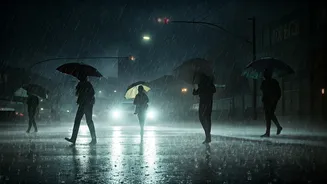
To understand the rise of the dry bag, one must first appreciate the sheer beautiful chaos of a Mumbai monsoon. It’s not a gentle drizzle; it's a torrential downpour that can drop over 200mm of rain in 24 hours. This leads to predictably flooded streets,
turning roads in low-lying areas like Andheri and Hindmata into canals. Commuting becomes an extreme sport. Auto rickshaws offer little protection, local trains are dangerously crowded, and even a short walk can leave you wading through knee-deep water. In this environment, a standard backpack or a flimsy umbrella is a surrender flag. The humidity, often soaring between 80% and 95%, ensures that anything that gets damp stays damp, cultivating a musty smell that lingers for days. This is the problem a Mumbaikar is born to solve, every single year.
From Utility to Urban Armour
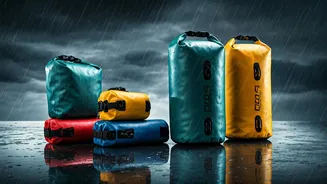
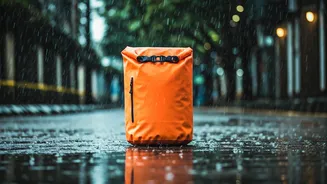
For years, the solution was a collection of plastic bags and *jugaad*. Laptops were double-wrapped, documents were sealed in Ziploc bags, and a spare set of clothes was a non-negotiable part of any office commute. But this was survival, not strategy. The dry bag changed the game. Unlike a 'water-resistant' bag, which might handle a light shower, a true waterproof dry bag is built for submersion. They often feature roll-top closures that create a watertight seal, and welded seams that leave no entry points for moisture. This isn't just about keeping things from getting wet; it's about providing absolute peace of mind. It means your INR 1 lakh laptop, your passport, and your phone are secure even if you take an unexpected tumble on a slick, flooded pavement. This level of protection is the new urban armour.
The Psychology of the Flex
Herein lies the 'flex'. Carrying a sleek, high-quality dry bag in the middle of a torrential downpour is a statement. It says, 'I am prepared. I am a seasoned urbanite. I have invested in the right gear because I value my belongings and my sanity.' It’s a subtle nod to competence, an indication that you’re not just surviving the monsoon, but mastering it. While others scramble to protect their canvas totes or leather satchels (which get ruined by moisture), the dry bag owner strides on, unbothered. It’s a flex of preparedness over pretension. In a city where daily life can be a struggle against the elements, demonstrating such effortless control is the ultimate power move. The bag becomes a signifier of someone who is in the know, practical, and stylish in a way that truly matters for the city's unique challenges.
Not All Dry Bags Are Created Equal
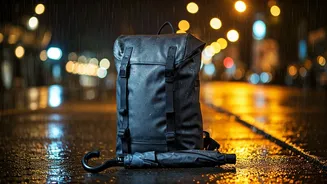
The market has responded with a wide array of options, catering to every need and budget. For the hardcore adventurer or tech professional, there are robust backpacks from brands like Yeti or SealLine that promise near-total submersion protection. These are the equivalent of a luxury SUV for the road. For the daily commuter, brands offer stylish and functional waterproof backpacks, totes, and sling bags made from materials like PVC-laminated polyester or nylon. Even the colours matter, with many opting for darker shades of black, navy, or grey that hide the inevitable mud splashes of a Mumbai street. The choice of bag—from a rugged, outdoorsy model to a minimalist, sleek tote—further refines the statement you're making. It’s a functional accessory that has become a key part of one's personal style during the rainy season.