




The Science of Ripening
To understand how temperature plays a role, we first need to talk about ethylene. Ethylene is a natural, odourless plant hormone that many fruits produce to regulate their ripening process. Fruits that continue to ripen after being picked, known as climacteric
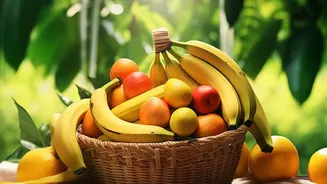
fruits, release this gas, which triggers changes in texture, colour, and sweetness. Think of bananas, avocados, mangoes, and tomatoes. The more a fruit ripens, the more ethylene it releases, which in turn signals nearby fruits to ripen as well. This is why the old saying “one bad apple spoils the bunch” is literally true; a very ripe (or rotting) piece of fruit emits a large amount of ethylene, accelerating the ripening and eventual decay of its neighbours.
Turning Up the Heat
Heat acts as a catalyst for the chemical reactions involved in ripening. Warmer temperatures increase the rate of respiration and metabolic processes within the fruit, including the production of ethylene. Commercial fruit suppliers often use heated rooms to manage the ripening of produce like bananas on a large scale. At home, a warmer kitchen can have a similar, albeit less dramatic, effect. The increased ambient temperature encourages the fruit to produce ethylene more quickly and enhances its response to the gas, speeding up the journey from hard and bland to soft and flavourful. However, there is a limit. Extremely high temperatures, particularly above 35°C, can actually inhibit certain ripening enzymes and even damage the fruit.
How to Use Warmth Wisely
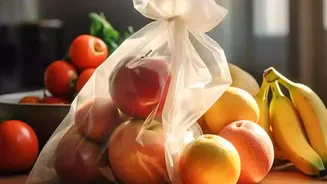
You can easily use this principle to your advantage. If you have unripe avocados, mangoes, peaches, or pears, simply leaving them on the counter in a warm part of your kitchen will help them ripen faster than they would in a cooler spot. To supercharge the process, place the fruit in a paper bag. This traps the ethylene gas the fruit releases, creating a concentrated ripening environment. Adding a ripe banana or apple to the bag introduces an extra source of ethylene, accelerating things even further. The famous Indian technique of burying an unripe mango in a container of uncooked rice works on the same principle, trapping ethylene very effectively. Just be sure to check your produce daily, as this method can ripen fruit very quickly.
When to Keep Things Cool
Of course, you don't always want to speed things up. Once fruit reaches your desired level of ripeness, the goal is to slow down the process. This is where the refrigerator becomes your best friend. The cold temperatures inside a fridge dramatically slow down ethylene production and the enzymes responsible for ripening, extending the life of your produce by several days. This is ideal for most ripe fruits. However, some produce should never see the inside of a fridge until fully ripe, if at all. Unripe tomatoes, for example, can become mealy and lose flavour in the cold. And certain non-climacteric fruits like citrus, grapes, and berries do not ripen further after being picked, so they should be stored in the fridge from the start to preserve freshness.