





A More Chaotic Rhythm
For centuries, the life cycles of India’s vast forests have been tuned to the predictable rhythm of the monsoon. But that rhythm is changing. Climate change is making the monsoon more erratic and intense. Instead of steady, season-long rains, we are seeing
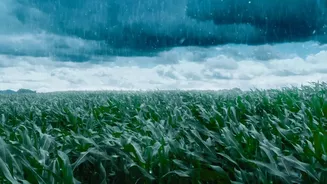
longer dry spells punctuated by extreme downpours. Scientists have found that for every degree Celsius of warming, monsoon rainfall is likely to increase by about 5%, making wet years wetter and disrupting the delicate balance that ecosystems rely on. This shift isn't just about getting more or less water; it's about the timing and intensity, which is creating a cascade of hidden effects that researchers are now working to understand.
The Foundation is Shaken
The first and most fundamental impact is happening underground, in the soil. Soil moisture is a critical factor for forest health, influencing everything from nutrient availability to the microscopic organisms that support plant life. The new monsoon pattern—long dry periods followed by intense bursts of rain—is causing what scientists call “ecological droughts”. These are long-term moisture stress events that damage entire ecosystems, even in regions that traditionally receive ample rain. Studies show that pre-monsoon soil conditions have a significant influence on the rains that follow, creating a complex feedback loop. Changes in soil moisture can lead to soil erosion on slopes during heavy downpours and increase the risk of forest fires during extended dry periods, a threat already growing in places like the Western Ghats and central India.
A New Forest Landscape
These changes underground are forcing a transformation above ground. Different tree species have different tolerances for drought and moisture. A recent study in central India’s Panchmarhi Biosphere Reserve found that dry teak forests, which operate closer to their moisture-stress limits, experienced the highest loss in canopy cover, while other species were more resilient. Over time, this could lead to a significant shift in the composition of our forests. Some species may struggle to regenerate, while others better adapted to the new conditions could take over. This process, sometimes called 'savannisation', has been observed in historical climate shifts and may be re-emerging, forcing forests to turn into savannas. This not only alters the character of the forest but also affects its ability to store carbon.
The Ripple Effect on Wildlife
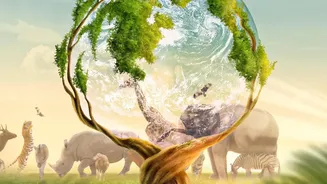
When the composition of a forest changes, so does the life it supports. The entire food web is interconnected. The disruption of plant phenology—the timing of flowering and fruiting—can have devastating consequences for birds, insects, and mammals that depend on specific plants for food. If a fruit ripens at the wrong time, or a flower fails to bloom, the species that rely on it suffer. In the Western Ghats, one of the world's most important biodiversity hotspots, these shifts are particularly concerning. The region is home to thousands of plant and animal species, many of which are found nowhere else on Earth. Changes to their habitat's fundamental climate patterns threaten their survival and can lead to increased conflicts between humans and animals as wildlife ventures out of stressed forest areas.
Why This Matters for India's Future
The health of India's forests is not an isolated environmental issue; it is directly linked to the well-being of its people. Forests are critical water catchments, feeding the rivers that provide water to millions. Their degradation can impact water security and agricultural output, as healthy forests contribute moisture to the atmosphere that influences rainfall patterns. A study between 2001 and 2018 found that India lost over 20,000 square kilometers of forest cover, compromising the ecosystem's ability to store carbon and regulate the climate. Forest-dependent communities face the most immediate impact, but the long-term consequences of a changing monsoon—destabilised ecosystems, reduced biodiversity, and a weakened defense against climate change—will affect everyone. Understanding these hidden effects is the first step towards developing adaptation strategies to protect these vital natural resources for generations to come.