







The 'Anti-Nutrient' Factor in Nuts
To understand the benefits of soaking, we first need to look at a nut's natural defence mechanisms. Raw nuts, seeds, grains, and legumes contain compounds often called 'anti-nutrients'. The most discussed of these is phytic acid. A plant uses phytic acid to store
phosphorus, but in our digestive system, it can act like a mineral thief. It binds to minerals like iron, zinc, calcium, and magnesium, which can prevent our bodies from absorbing them effectively. Nuts also contain enzyme inhibitors, which are compounds that prevent the seed from sprouting prematurely. These inhibitors can interfere with our own digestive enzymes, potentially making nuts harder for some people to digest and leading to bloating or discomfort.
How Soaking Unlocks Nutrition
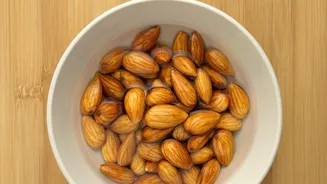
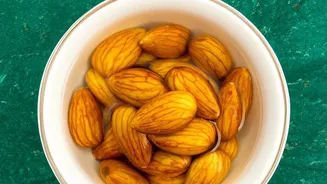
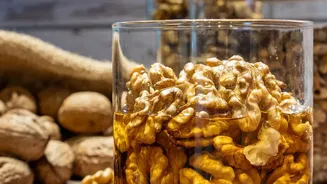
Soaking nuts in water is essentially a way to trick them into thinking it's time to germinate. This process of 'activating' the nut helps to neutralize or reduce the anti-nutrient compounds. The moisture signals the nut to wake up from its dormant state, which in turn can switch off the enzyme inhibitors and begin to break down the phytic acid. As the phytic acid leaches into the soaking water, which is then discarded, the minerals within the nut become more bioavailable, meaning your body has a better chance of absorbing them. This simple technique mimics what happens in nature when a seed gets rained on, preparing it for growth by unlocking its stored energy and nutrients.
The Benefits: Easier Digestion and Milder Flavour
For many people, the most noticeable benefit of soaked nuts is improved digestibility. By neutralizing some of the enzyme inhibitors, soaking can ease the burden on your digestive system, which may reduce feelings of heaviness or bloating sometimes associated with eating raw nuts. Soaking also softens the texture of the nuts, making them creamier and more pleasant to eat or blend into sauces and nut milks. Another advantage is the change in taste. Soaking can reduce tannins, which are responsible for the bitter or astringent taste found in the skins of some nuts, like walnuts and almonds, resulting in a milder, more palatable flavour.
A Practical Guide to Soaking
Soaking nuts is a simple process. Start with raw, unsalted nuts, as roasted nuts have been heated, which deactivates the enzymes and prevents the activation process from working. Place your nuts in a glass bowl or jar, cover them with filtered water, and add a pinch of salt, which some believe helps to activate the enzymes that break down the inhibitors. The soaking time varies by nut. Harder nuts like almonds require a longer soak (around 8–12 hours), while softer nuts like cashews or walnuts need less time (2–6 hours). After soaking, it's crucial to drain and rinse them thoroughly to wash away the phytic acid and other residues. You can then use them immediately while they are soft, or if you prefer a crunchy texture, you can dry them in a dehydrator or an oven set to its lowest temperature (below 150°F or 65°C) for 12 to 24 hours until they are fully crisp.
Is It Always Necessary?
While soaking can offer benefits, it’s not an absolute must. Nuts are incredibly nutritious whether they are soaked or not. Research shows that the reduction in phytic acid in nuts from soaking can be minimal compared to the effect seen in grains and legumes. However, if you eat a lot of nuts, follow a plant-based diet, or find raw nuts difficult to digest, soaking can be a worthwhile practice to improve mineral uptake and reduce digestive strain. Ultimately, it comes down to personal preference. Don't let the extra step deter you from enjoying the many health benefits of these nutritional powerhouses in any form.