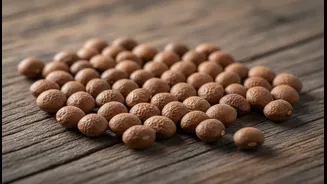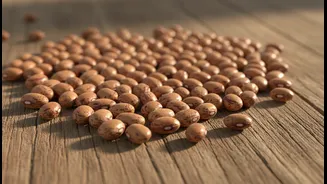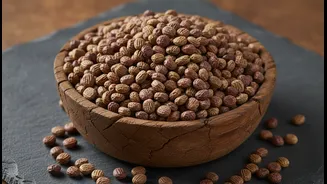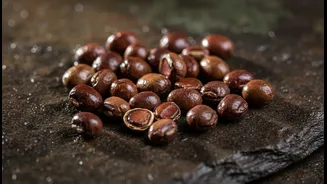








What is Horse Gram?
Known as kulthi in Hindi, kollu in Tamil, and ulavalu in Telugu, horse gram (Macrotyloma uniflorum) is a resilient lentil that has been a part of Indian cuisine and traditional medicine for ages. Its English name comes from its historical use as a nutritious
feed for horses and cattle, a testament to its energy-rich profile. This humble pulse, often considered the food of the rural poor, is now gaining global attention for its impressive health benefits and ability to thrive in dry, arid conditions, making it a sustainable crop.
An Undeniable Nutritional Profile
Before examining the big claims, it's important to understand what's inside these tiny seeds. Horse gram is a nutritional giant. It is packed with protein, containing about 22 grams per 100-gram serving. It’s also an excellent source of dietary fibre, which aids digestion. Furthermore, it boasts high levels of essential minerals, including having the highest calcium content among pulses, and significant amounts of iron and phosphorus. Rich in antioxidants like polyphenols and flavonoids, its nutritional makeup provides a solid foundation for many of its health-promoting properties.
Claim 1: The Ultimate Weight Loss Food?
One of the most popular claims is that horse gram is a magic bullet for weight loss. The logic is sound: its high protein and fibre content can increase feelings of fullness, or satiety, which can lead to reduced overall calorie intake. Some animal studies have shown that horse gram extract can help reduce body weight and food intake in rats on high-fat diets. However, it's crucial to note the lack of large-scale human studies. While horse gram can be a valuable part of a weight management plan by helping to control hunger, it is not a standalone solution. True weight loss still depends on a balanced diet and regular physical activity.
Claim 2: A Natural Cure for Kidney Stones?
This is one of the strongest and oldest claims associated with horse gram, deeply rooted in Ayurvedic and traditional medicine. The legume is known for its diuretic properties, meaning it can increase urine flow. This action may help in flushing out small stones and preventing their formation. Some in-vitro studies have shown that aqueous extracts of horse gram can help dissolve calcium oxalate crystals, the main component of most kidney stones. While these findings are promising and support its traditional use for prevention, it is a significant overstatement to call it a "cure." It may help in managing and preventing the condition, but anyone suffering from kidney stones should seek medical advice rather than relying solely on dietary changes.
Supported Benefits and How to Use It
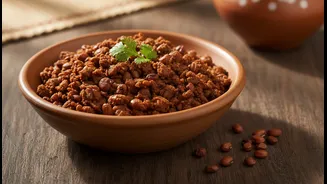
Beyond the major claims, horse gram has other well-supported benefits. Its properties may help in managing blood sugar levels by slowing carbohydrate digestion, making it a good food for diabetics. The antioxidants it contains help fight free radicals, which can reduce the risk of chronic illnesses like heart disease. Incorporating horse gram into your diet is simple. The seeds need to be soaked overnight to reduce phytic acid, an anti-nutrient that can inhibit mineral absorption. After soaking, they can be pressure-cooked and used in dals, soups like rasam, or even sprouted for a nutrient-dense salad. Grinding roasted horse gram into a powder is another easy way to add it to various dishes.