

The Rise and Fall of Flat Design
The reign of the all-beige, monochromatic room was swift and total. Fueled by the social media aesthetic of quiet luxury and minimalist calm, decorators and homeowners alike embraced beige-on-beige with gusto. It was safe, sophisticated, and undeniably
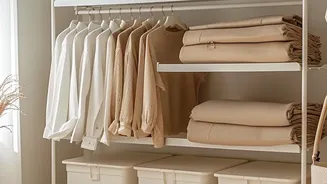
clean. But after years of seeing the same filtered-to-perfection spaces, a collective fatigue has set in. The problem with a room devoid of contrast and layered surfaces is that it can feel one-dimensional and impersonal. What began as a serene envelope now often feels sterile and predictable, lacking the depth that makes a house feel like a home.
Why Texture is the New Color
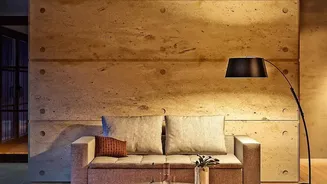
In the pushback against the overly polished, texture has emerged as the hero. It's the secret weapon for adding soul back into our spaces. Think of it this way: if monochrome is a single note, texture is the entire chord. It adds visual weight and complexity without shouting. A nubby wool throw, a rough-hewn wooden bowl, or the subtle shimmer of a limewash wall all interact with light in ways that a flat painted surface cannot. This interplay of light and shadow creates depth and movement, making a room feel dynamic and alive even within a tightly controlled neutral palette.
Layering with Natural Fibers
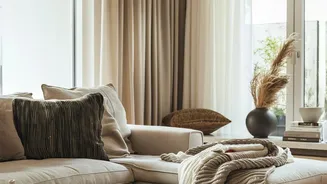
The easiest way to begin this textural journey is with textiles. Designers are moving beyond the once-ubiquitous boucle and looking to a wider range of materials. Think about swapping smooth cotton cushions for those made of heavy, slubby linen or rich velvet. Consider a jute or sisal rug underfoot to provide an earthy, grounding element. These materials are not just about looks; they are about feeling. A chunky knit blanket invites you to curl up, while a cool linen sofa feels refreshing. It's a move toward interiors that engage all the senses, not just the eyes.
Beyond Fabric: Hard Surfaces Matter
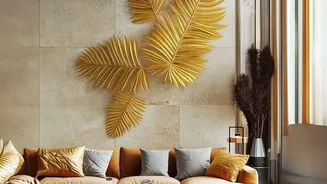
Texture isn't limited to what's soft and foldable. The hard surfaces in a room play a crucial role in building a complex, layered look. The trend is moving toward materials that show the hand of the maker and the beauty of natural imperfection. This includes sculptural wood furniture with visible grain, travertine or marble coffee tables with natural veining, and handmade ceramic lamps with slightly uneven glazes. Even walls are becoming more tactile, with a rise in the popularity of limewash, microcement, and textured wallpapers that provide a nuanced backdrop. These elements prevent a neutral room from feeling flat by providing points of organic interest.
Small Accents, Big Impact
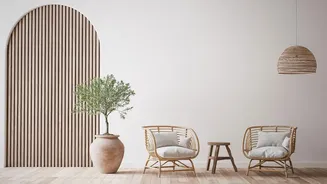
Embracing texture doesn't require a complete overhaul. You can start small and still make a significant impact on the feel of your space. Introduce a ribbed timber side table or a planter with a rough, concrete-like finish. Layer different textiles on your sofa—a mohair throw draped over a linen slipcover, accented with a suede cushion. The key is to mix materials and finishes. Combine matte surfaces with glossy ones, and smooth textures with rough ones. This variety is what will give your all-beige room a much-needed dose of personality and prevent it from looking like everyone else's.