

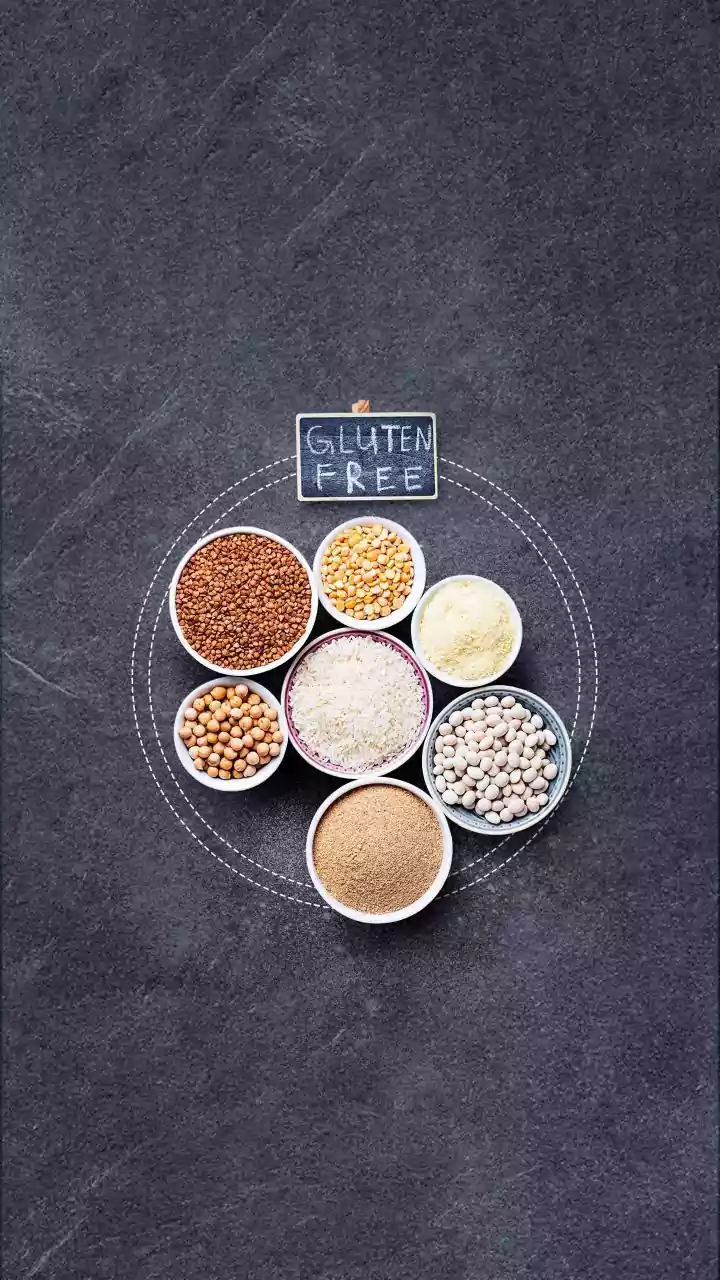







The ‘Health Halo’ Trap
Food marketers are experts at using specific words to make products seem healthier than they are, a phenomenon known as the "health halo" effect. Terms like "natural," "made with whole grains," or "low-fat" can be misleading. For instance, a "natural"
product has no official verified definition, meaning the term is often used for marketing rather than to indicate nutritional value. Similarly, products labeled "low-fat" often compensate by adding more sugar, salt, or artificial ingredients to maintain flavour, which doesn't necessarily make them a healthier choice. This branding can create a false sense of security, causing consumers to overlook high levels of hidden sugars, sodium, or processed components. The key is to ignore the appealing claims on the front of the box and turn your attention to the facts on the back.
Why Protein is a Priority
One of the most effective ways to gauge the quality of a meal is to check its protein content. Protein is a crucial macronutrient that plays a vital role in weight management and overall health. It has a higher thermic effect than carbohydrates and fats, meaning your body burns more calories digesting it. More importantly, protein is key for satiety—the feeling of fullness. It helps regulate appetite by reducing hunger hormones like ghrelin and increasing satiety hormones. A meal rich in protein will keep you feeling full and satisfied for longer, reducing the likelihood of snacking on less healthy options later. When evaluating a meal subscription, look for dishes that provide a substantial amount of lean protein. While needs vary, a meal with at least 15-20 grams of protein is a good benchmark for supporting muscle maintenance and managing hunger effectively.
Decoding the Ingredient List
The ingredient list is your most powerful tool for uncovering the truth about a meal. In India, the FSSAI mandates that ingredients be listed in descending order by weight. This means the first few ingredients make up the bulk of the product. If sugar, or one of its many aliases, appears near the top of the list, it's a major red flag. Be wary of long, complicated lists filled with words you can't pronounce, as this often indicates a highly processed product. Look for whole, recognizable ingredients. Also, pay attention to compound ingredients; for example, if a sauce is listed, its own ingredients should ideally be broken down. A shorter, simpler ingredient list is almost always a sign of a cleaner, more wholesome meal.
Spotting Hidden Sugars and Sodium
Prepared meals, even those marketed as healthy, are often loaded with hidden sugars and sodium to enhance flavour and extend shelf life. Sugar has over 60 different names on ingredient labels, including high-fructose corn syrup, dextrose, maltodextrin, and evaporated cane juice, making it easy to miss. These added sugars contribute empty calories and can undermine health goals. Sodium is another major culprit, frequently found in high amounts in sauces, dressings, and even so-called healthy items like whole-grain bread and soups. A single tablespoon of soy sauce, a common ingredient in many meal kits, can contain nearly 900 mg of sodium. Always check the nutrition facts panel for the 'Added Sugars' and 'Sodium' content to ensure you are not unknowingly consuming excessive amounts.