



The Problem of Aging Eyes in the Sky
Space telescopes are some of humanity's greatest scientific achievements. The Hubble Space Telescope, launched in 1990, has reshaped our understanding of the universe. However, like all technology, these orbital observatories have a finite lifespan. Components
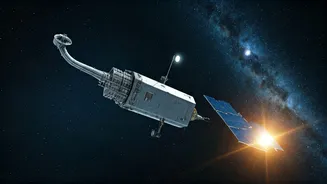
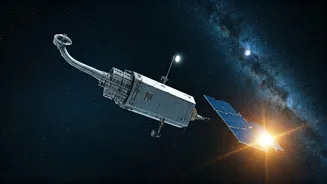
fail, fuel runs low, and their orbits can decay. For years, the only solution to a failing telescope was to build and launch a multi-billion dollar replacement. The Space Shuttle was able to service Hubble in a series of crewed missions, but with its retirement, that option is gone. Today, observatories like the Swift Gamma-Ray Burst Explorer are losing altitude due to solar activity, threatening to burn up in the atmosphere if nothing is done. This has created an urgent need for a new way to care for these invaluable assets.
Enter the Robotic Mechanics
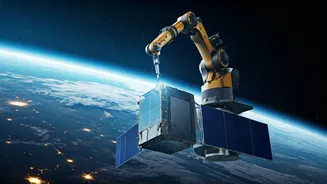
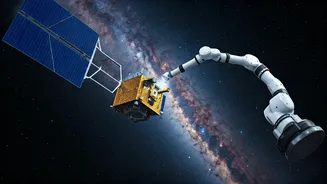
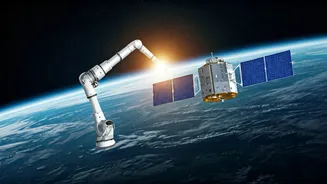
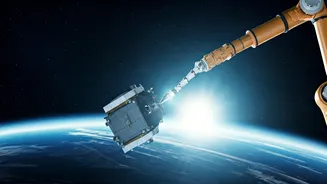
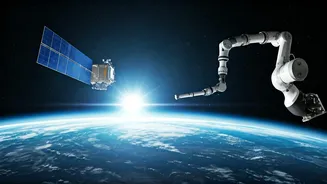
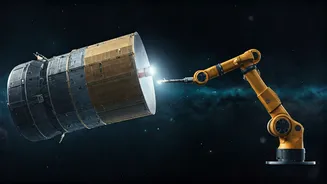
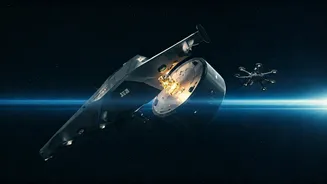
The solution sounds like science fiction: a new class of spacecraft designed to be robotic roadside assistance for satellites. An entire industry is rapidly growing around what is called on-orbit servicing (OOS). Companies like Northrop Grumman, through its subsidiary SpaceLogistics, have already proven the concept with its Mission Extension Vehicle (MEV), which has successfully docked with and extended the life of commercial satellites. Now, a new wave of even more ambitious ventures is underway. NASA is partnering with startups like Katalyst Space Technologies for a mission to save the Swift telescope. The plan involves sending a robotic spacecraft named LINK to chase down Swift, grab it with three robotic arms, and push it into a higher, more stable orbit.
How the Daring Repairs Will Work
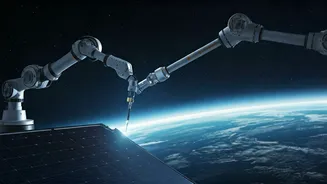
These missions are incredibly complex. A servicing spacecraft must launch and then perform a delicate orbital dance to rendezvous with a target that is moving at thousands of kilometres per hour. The robotic vehicle must then autonomously approach and grapple onto a satellite that was never designed to be caught. In the case of the Swift rescue mission, the LINK spacecraft will use its three arms to securely attach to the back of the telescope, a part of the spacecraft that engineers don't even have perfect images of. Once attached, the robotic mechanic uses its own engines to act as a space tug, carefully moving the entire assembly. Future missions envision even more complex tasks, like robotic refueling, using advanced arms to cut through protective layers, unscrew caps, and pump in fuel to satellites that are running on empty.
More Than a Fix: A Sustainable Future in Space
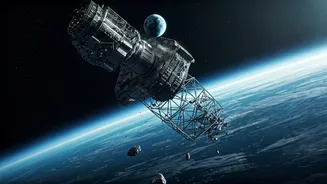
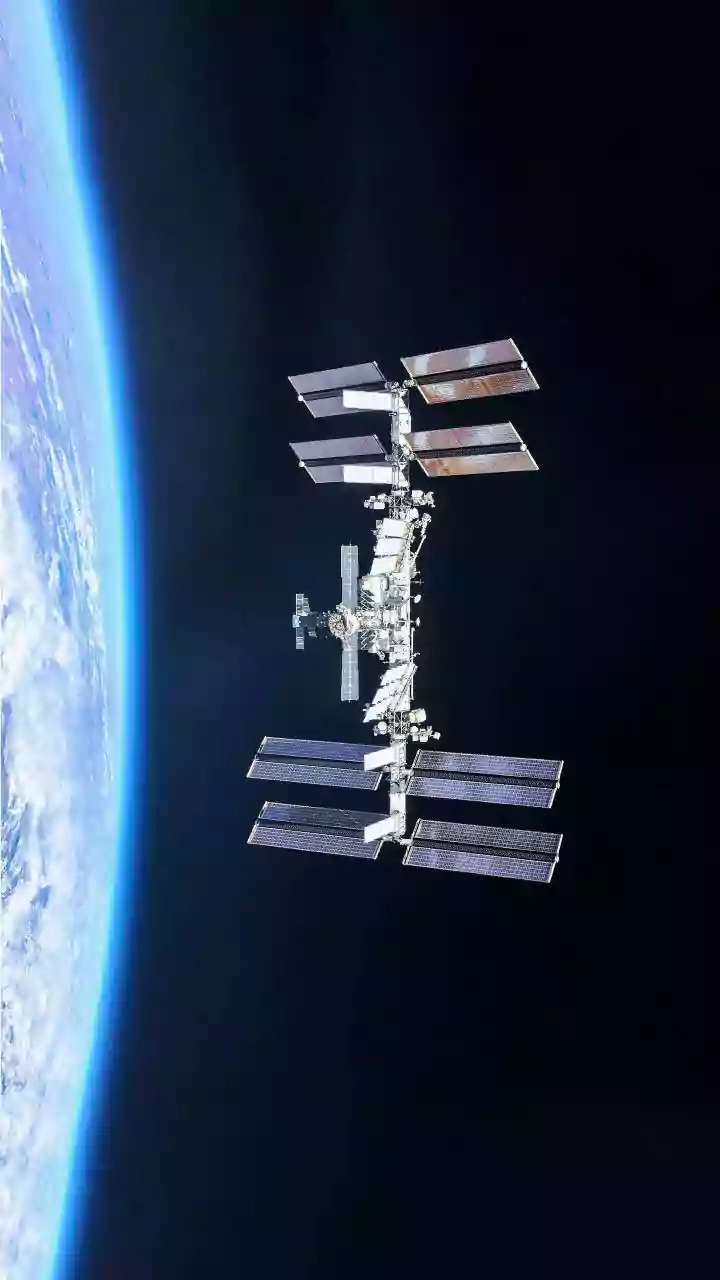
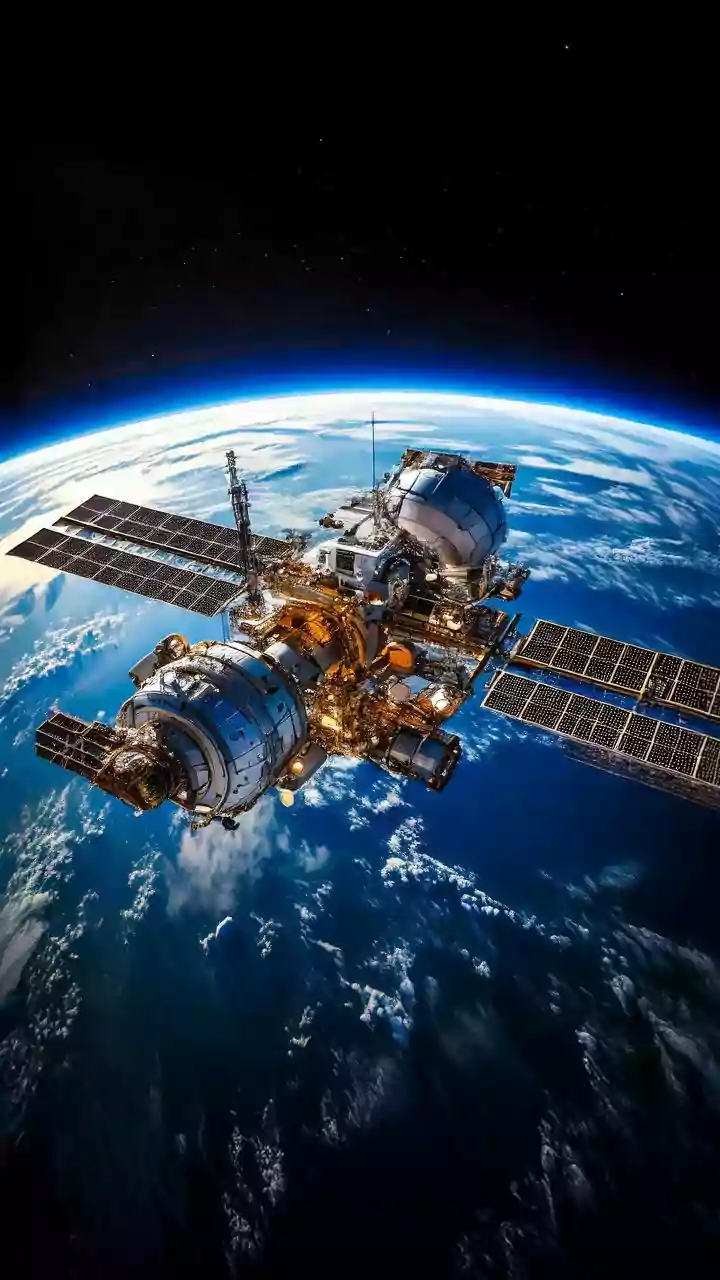
The implications of successful on-orbit servicing go far beyond just saving old telescopes. This technology represents a fundamental shift from a disposable model of space hardware to a sustainable and serviceable one. Instead of launching a new satellite, an operator could send a mechanic to upgrade its instruments with the latest technology, repair a broken component, or refuel it for years of extra service. Companies like Orbit Fab are even developing 'Gas Stations in Space' to create a robust refueling infrastructure. This capability could dramatically lower the cost of space operations and reduce the growing problem of space debris by keeping satellites functional for longer. It also opens the door to assembling massive structures in orbit—like future space stations or large telescopes—piece by piece, a task that is impossible with a single rocket launch.