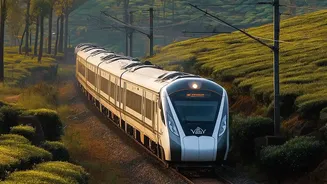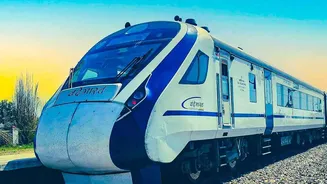




The First Leg of a National Ambition
India's first high-speed rail line, the 508-kilometre Mumbai-Ahmedabad High-Speed Rail (MAHSR) corridor, has been a topic of national conversation for years. Now, the project is moving from blueprints to reality, with the focus squarely on Gujarat. The
plan is to launch services in phases, and the approximately 100-kilometre stretch between Surat and Vapi has been identified as the inaugural section. According to recent updates from the Railway Ministry, this first corridor is targeted for a public launch in the last quarter of 2027. This phased approach allows the Railways to begin operations on sections where construction is most advanced while work continues on more complex parts of the route, particularly in Maharashtra.
A Major Milestone on the Path to 2027
While the 2027 target is for the Surat-Vapi commercial run, a crucial precursor will be the trial runs on a smaller, 50-kilometre segment between Surat and Bilimora. Recent announcements confirm that a major milestone has been achieved on this stretch: the successful 'energisation' of the overhead electrical equipment. This means the power supply system for the trains is now live, a critical step before any physical trials can begin. Officials have clarified that energising the line doesn't mean it's ready for passengers, but it is a significant step toward making the section operational and ready for testing, which is expected to start in mid-2027. This progress follows years of intensive civil work, including the completion of hundreds of kilometres of elevated viaducts and support piers across Gujarat.
Japanese Technology, Indian Execution
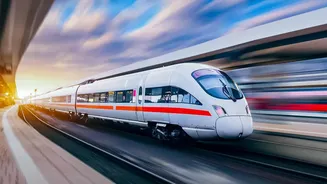
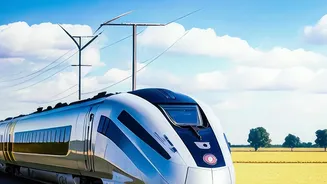
The project is a collaboration with Japan, utilising its world-renowned Shinkansen technology, famous for an impeccable safety record. The trains are designed to operate at a top speed of 320 kilometres per hour, which will dramatically reduce travel time. Once the full corridor is complete, the journey between Mumbai and Ahmedabad is expected to take just under two hours, a massive improvement over the current six to seven hours by conventional rail. The electrification system itself is an advanced 2 x 25 kV overhead network, fed by 14 powerful traction substations along the route that draw power from the national grid. This robust infrastructure is essential to support the immense power demands of high-speed travel.
Overcoming Hurdles and Looking Ahead
The journey to this point has not been without its challenges. The project faced significant delays, including nearly two and a half years for land acquisition and permissions in Maharashtra, compounded by two years of disruption from the COVID-19 pandemic. This means that serious construction has only been underway in full force since 2021. While the Gujarat portion has progressed rapidly, work in Maharashtra involves complex engineering feats, including a 21-kilometre tunnel, of which a 7-kilometre portion will run under the sea at Thane Creek — a first for India. Despite these hurdles, the progress in Gujarat demonstrates a clear momentum. The successful completion and operation of the Surat-Vapi corridor will serve as a vital blueprint and a symbol of progress for the rest of the project and for future high-speed rail ambitions across the nation.