




Choosing the Right Pot
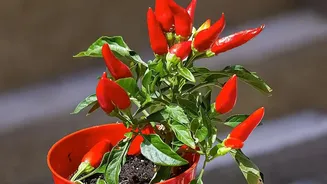
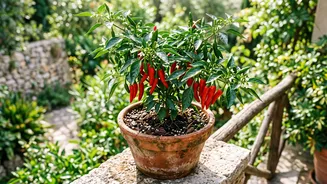
Your journey to a spicy harvest begins with the right home for your plant. For Thai chillies, choose a container that is at least 12 inches deep. This provides ample space for the root system to develop, which is essential for a healthy and productive
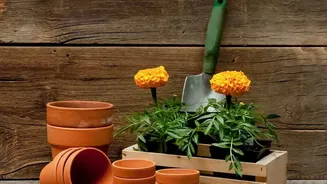
plant. The most critical feature of any pot is drainage. Ensure it has several holes at the bottom to let excess water escape. Waterlogging is a common issue that can lead to root rot, so proper drainage is non-negotiable. Terracotta or plastic pots both work well, but terracotta 'breathes' more, which can help aerate the soil but may also require more frequent watering.
The Perfect Potting Mix Formula
The secret to thriving container chillies lies in the soil. A simple, effective potting mix will provide the three things your plant needs: nutrients, aeration, and moisture retention. Forget complicated recipes; a straightforward blend works wonders. Aim for a mix of about 50% compost or well-rotted manure, 40% coco peat (coir), and 10% perlite. The compost provides a slow release of essential nutrients. Coco peat is excellent for retaining moisture without becoming waterlogged. Perlite, a lightweight volcanic rock, creates air pockets in the soil, which prevents compaction and helps the roots breathe. If you can't find perlite, coarse sand can be used as an alternative to improve drainage. This combination creates a light, fertile, and well-draining medium that chillies love.
Planting Your Chilli Sapling
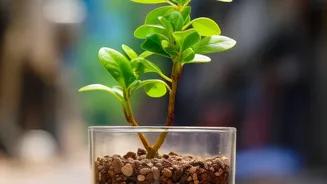
You can grow chillies from seed, but for beginners, starting with a young sapling from a local nursery is often easier. In India, the ideal time to plant is when the weather is consistently warm, typically from February to April, before the heavy monsoon rains begin. When transplanting your sapling, fill your prepared pot with the potting mix, leaving a small well in the centre. Gently remove the sapling from its nursery bag, taking care not to disturb the roots too much. Place it in the well and fill the surrounding space with more mix until the plant is secure. Water it lightly to help the soil settle.
Sunlight and Location
Thai chillies are sun-worshippers. They need at least six hours of direct, bright sunlight every day to produce a good crop of fruit. The ideal spot is a south-facing balcony or a terrace that receives ample light throughout the day. If your plant gets enough sun, you'll see vigorous growth and plenty of chillies. Too little sun, and the plant may become 'leggy' and produce very few fruits. In very hot Indian climates, some light afternoon shade can protect the plant from scorching during the peak summer months.
Watering and Feeding
Consistency is key when it comes to watering. The goal is to keep the soil moist, but never soggy. A good rule of thumb is to water when the top inch of soil feels dry to the touch. Water deeply until you see it running out of the drainage holes, then allow the pot to drain completely. Overwatering is a more common mistake than underwatering and can be fatal to the plant. For feeding, the compost in your potting mix will provide initial nutrients. About once a month during the growing season, you can supplement with a balanced liquid fertiliser to encourage more flowers and fruit.
Harvesting Your Homegrown Heat
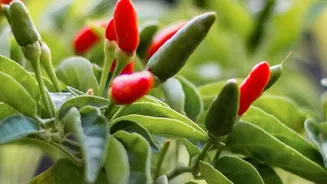
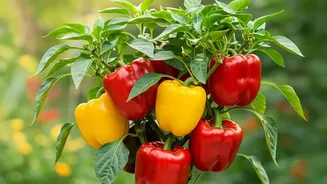
Depending on when you planted, you can expect to start harvesting in about 80 to 100 days. The chillies will first appear green and can be harvested at this stage for a milder heat. For the full, fiery flavour and iconic red colour, leave them on the plant until they are fully ripe. Use a pair of scissors or simply pluck them from the stem. Regular harvesting actually encourages the plant to produce more flowers and, consequently, more chillies. One healthy plant can provide a steady supply for your kitchen for months.