



The Royal Splendour of Mysuru
In Karnataka, the city of Mysuru hosts a Dussehra, or 'Dasara', celebration steeped in 400 years of royal history. The festival is a ten-day affair dedicated to Goddess Chamundeshwari, who, according to legend, defeated the demon Mahishasura on the nearby
Chamundi Hills. This tradition, once patronised by the Vijayanagara kings and later the Wodeyar dynasty, transforms the city into a cultural spectacle. The magnificent Mysuru Palace is illuminated by nearly 100,000 bulbs every evening, creating a breathtaking sight. The highlight is the 'Jamboo Savari', a grand procession on the final day, Vijayadashami, where the idol of the goddess is carried in a 750-kg golden howdah atop a decorated elephant through the city's streets. For travellers, it’s an immersion into regal pageantry, folk art performances, and a torchlight parade that concludes the festivities.
The Divine Assembly in Kullu
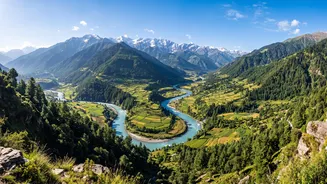
Head north to the hills of Himachal Pradesh, and you'll find a Dussehra celebration that is entirely unique. Unlike in other parts of India, Kullu's festival begins on Vijayadashami, when celebrations elsewhere are concluding, and continues for a week. Its origins trace back to the 17th century when a local king, Jagat Singh, established Lord Raghunath (Lord Rama) as the valley's ruling deity. The festival's most distinctive feature is the grand assembly of deities. Over 200 gods and goddesses from surrounding villages are carried in ornate palanquins to the Dhalpur grounds to pay homage to Lord Raghunath. This divine congregation creates an unparalleled atmosphere of devotion and cultural vibrancy, complete with traditional Nati dances and folk performances. The week culminates with a procession to the Beas River, where a pile of wood is set ablaze, symbolizing the burning of Lanka. For a visitor, this is a deeply spiritual and communal experience, set against the stunning backdrop of the Himalayas.
Delhi's Theatrical Grandeur
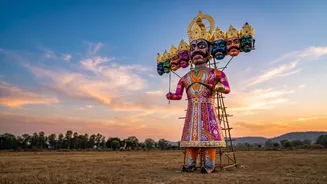
In the heart of North India, Delhi's Dussehra is a spectacle of drama and fire. The celebrations are dominated by 'Ramlila', theatrical enactments of the Ramayana that are staged in neighbourhoods across the city for several nights. These performances, rich in dialogue, music, and costume, bring the epic tale to life for large, engaged audiences. The festivities reach a dramatic climax on Dussehra evening with 'Ravan Dahan'. Towering effigies of the ten-headed demon king Ravana, his brother Kumbhakarna, and son Meghanada are set ablaze in open grounds, accompanied by spectacular fireworks. This symbolic act represents the destruction of evil and is a massive public event, often attended by prominent personalities. Committees compete to create the tallest and most elaborate effigies, with some even incorporating modern technology like AI-powered effects to make the final moments more dramatic. This makes for an electrifying, high-energy travel experience focused on public spectacle and community celebration.
Kolkata's Artistic Immersion
While not Dussehra in name, Kolkata's Durga Puja culminates on the same day, Vijayadashami, offering another distinct cultural journey. Recognised by UNESCO as an Intangible Cultural Heritage of Humanity, Durga Puja is a five-day artistic and social extravaganza celebrating Goddess Durga's victory over Mahishasura. The city transforms into an open-air art gallery, with thousands of temporary pavilions, or 'pandals', each housing creatively sculpted idols of the goddess and featuring unique themes. The festival is an explosion of culture, food, and community spirit. The conclusion on Vijayadashami is marked by 'Sindoor Khela', where married women smear each other with vermilion powder, and the grand immersion procession. Idols from across the city are carried to the Hooghly River in a final, vibrant parade, symbolising the goddess's return to her celestial home. For a traveller, it’s a chance to witness a festival where religious devotion is expressed through unparalleled artistic creativity and community celebration.