

Embrace Vrat-Friendly Flours
Regular wheat flour is avoided during Sawan fasts, but its alternatives are packed with nutrition. Flours like Kuttu (buckwheat), Singhara (water chestnut), and Rajgira (amaranth) are excellent choices. These are not only permitted but are also rich in protein
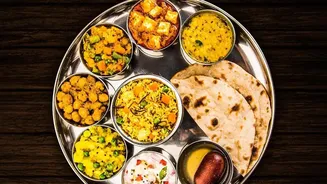
and fibre, providing sustained energy. You can use them to make soft rotis, parathas, or cheelas (pancakes). A simple meal of two Rajgira parathas with a side of plain curd can be a filling and balanced meal, ensuring you don’t feel sluggish during the day. To keep it light, pan-fry the parathas with a little ghee instead of deep-frying.
Power Up with Sabudana
Sabudana, or tapioca pearls, is a fasting staple for a reason. It is a great source of carbohydrates, providing a quick energy boost. The classic Sabudana Khichdi, when prepared mindfully, can be a perfect vrat meal. To make it more nutritious and balanced, add a generous amount of roasted peanuts for protein and healthy fats. Sauté boiled and cubed potatoes with cumin seeds and green chillies in ghee, then add the soaked sabudana and peanuts. A final squeeze of lemon juice not only enhances the flavour but also adds a dose of Vitamin C. This dish is both satisfying and keeps you full for longer.
Rely on Samak Ke Chawal
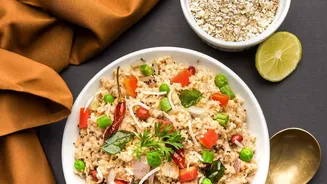
Also known as barnyard millet, Samak ke Chawal is a fantastic substitute for rice during fasting. It's light on the stomach, easy to digest, and versatile. You can prepare a simple pulao by cooking the washed millet with vrat-friendly vegetables like potatoes and bottle gourd (lauki). Tempering it with cumin seeds and a pinch of black pepper in ghee adds a comforting aroma and flavour. Pairing Samak rice with a simple paneer curry or a bowl of fresh curd creates a wholesome meal that provides carbohydrates, protein, and essential nutrients to keep you active.
Snack Smart with Makhana and Nuts
Hunger pangs between meals can lead to low energy levels. Smart snacking is key. Makhana (fox nuts) are an ideal fasting snack. They are low in calories but rich in protein and calcium. Simply roast a bowl of makhana in a teaspoon of ghee and sprinkle some sendha namak (rock salt) for a crunchy, guilt-free snack. Another great option is a trail mix of almonds, walnuts, and raisins. These nuts provide healthy fats, protein, and fibre, ensuring you have a steady supply of energy throughout the day.
Hydrate with Fruits and Dairy
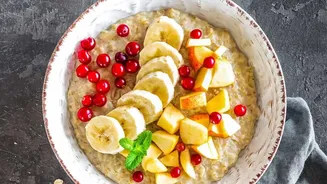
Staying hydrated is crucial, especially during the humid monsoon month of Sawan. Instead of just water, include hydrating fruits like watermelon, apples, and bananas in your diet. A bowl of mixed Fruit Chaat is a refreshing and energising option. Dairy products like milk, curd (yogurt), and buttermilk are also excellent choices. A glass of lassi or a smoothie made with banana and almond milk can serve as a mini-meal, providing a good mix of protein, calcium, and natural sugars to prevent fatigue and keep you feeling fresh.
The Versatile Potato and Sweet Potato
Potatoes and sweet potatoes are go-to vegetables during any vrat. They are filling and a good source of carbohydrates. A simple Aloo Jeera, made by tossing boiled potatoes in ghee with cumin seeds and sendha namak, can be a quick and satisfying dish. For a more flavourful option, try a Sweet Potato Chaat. Boil and cube sweet potatoes, then toss them with lemon juice, black pepper, and roasted peanuts. This combination offers both complex carbs for slow-release energy and a delicious taste.