





The Perishable Problem
Floriculture is a major industry in Karnataka, but for the farmers growing delicate blossoms like marigold, jasmine, and roses, it is a high-stakes business. These flowers are highly perishable, with a short shelf life that makes them susceptible to spoilage.
Post-harvest losses in India's flower industry are estimated to be as high as 30-40%, a staggering figure primarily caused by a lack of adequate cold chain infrastructure. Without access to refrigeration, farmers are forced into a daily gamble. They must harvest and transport their flowers to market immediately, often having to sell their entire stock at whatever price is offered, lest it wilts and becomes worthless. This 'distress selling' puts them at the mercy of market fluctuations and middlemen, significantly diminishing their hard-earned profits.
A Solution Powered by the Sun
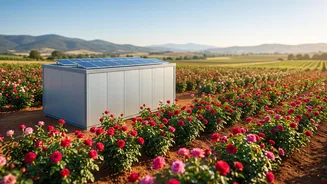
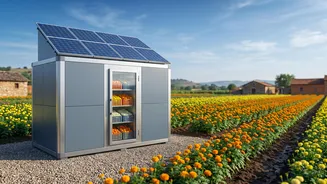
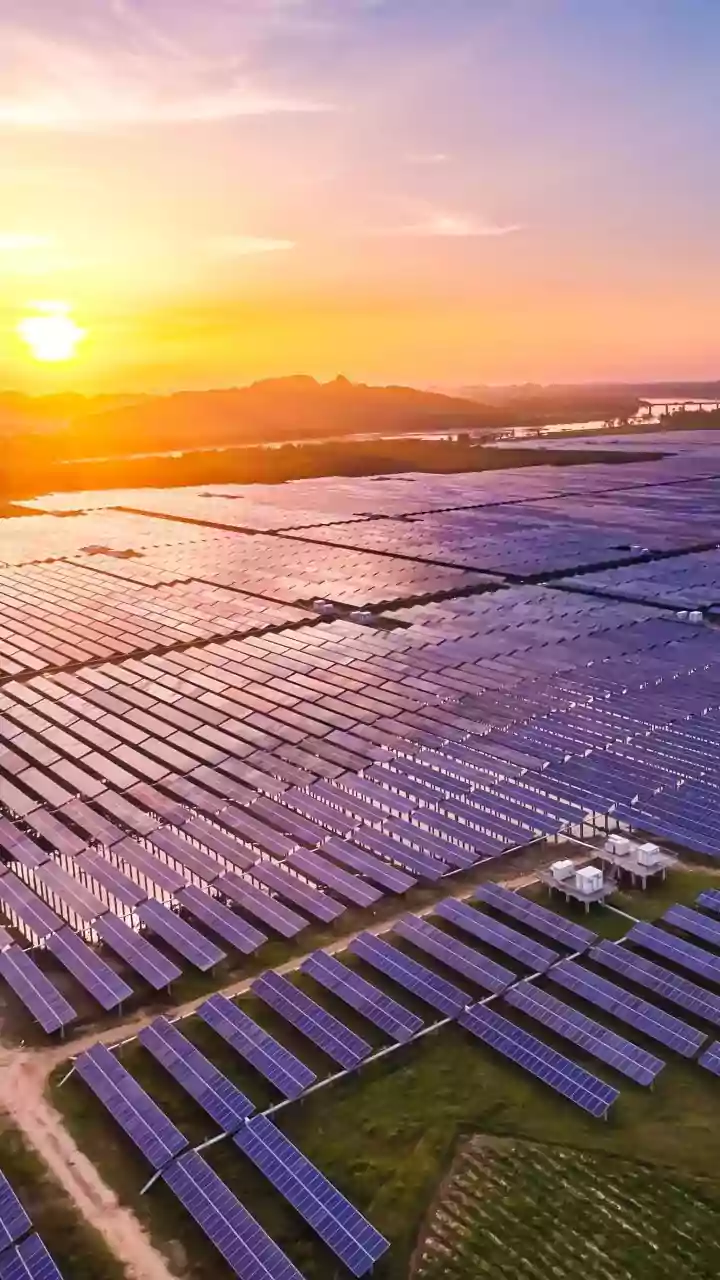
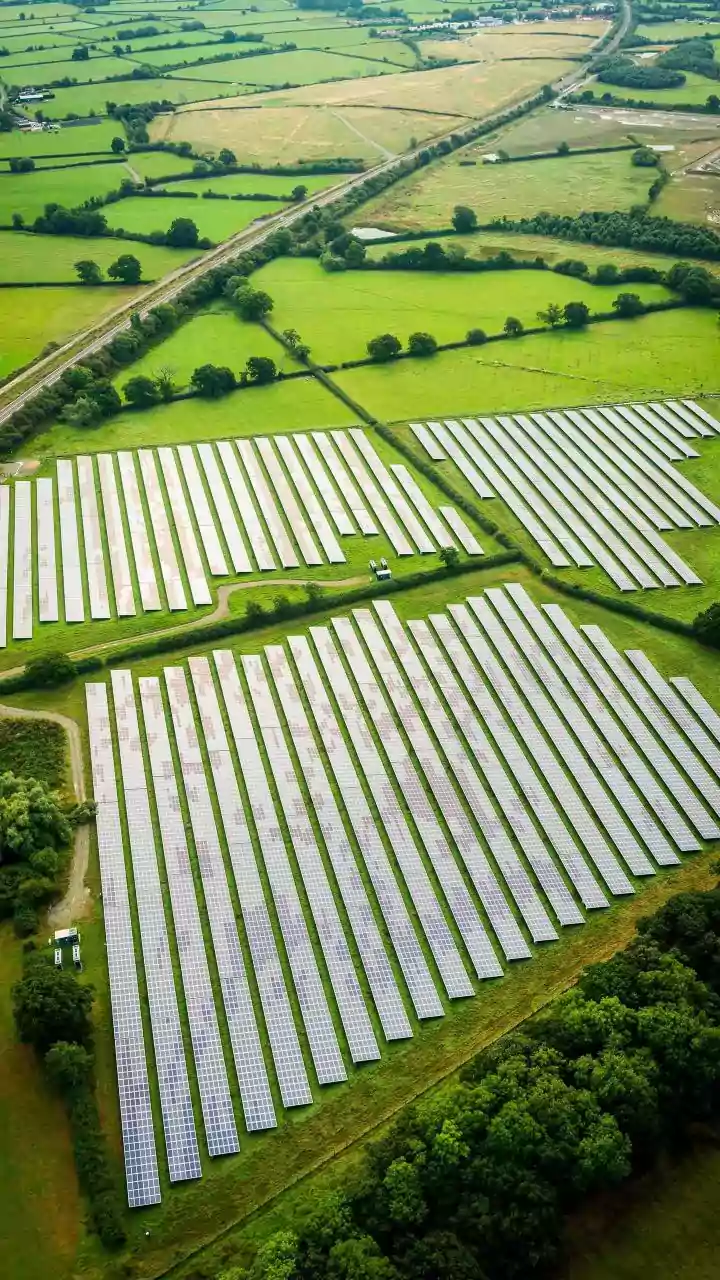
Across rural Bengaluru and other agricultural belts in India, a new solution is taking root: decentralised, solar-powered refrigeration micro-hubs. These are small, walk-in cold rooms powered entirely by solar panels. Unlike traditional cold storage facilities that are large, centralized, and dependent on an often-unreliable power grid, these micro-hubs are located directly at or near the farms. Developed by various agritech startups and supported by government and research initiatives, these units are designed for rural realities. Many new designs operate without expensive battery banks, instead using thermal energy storage—often in the form of ice—to provide cooling through the night and on cloudy days, making the technology more affordable and low-maintenance.
Rewriting the Rules of the Market
The impact of these solar coolers is transformative. By giving floriculturists the ability to store their flowers for several days in a temperature-controlled environment, the technology effectively stops the clock. This simple extension of shelf life breaks the cycle of distress selling. Farmers no longer have to rush to the market daily. They can consolidate their harvests, wait for more favourable market prices, and negotiate from a position of strength. This newfound control allows them to access larger, more distant markets and cater to bulk buyers, fundamentally changing their business model from subsistence selling to strategic commerce. The result is a dramatic reduction in waste and a significant increase in income.
The Economics of Empowerment
The financial benefits are tangible. Farmers who previously lost a significant portion of their produce to spoilage now sell nearly their entire harvest. Reports from similar projects across India show that access to cold storage can increase a farmer's income substantially by preventing losses and enabling them to sell during peak demand, such as festivals when flower prices soar. Some initiatives operate on a 'Cooling-as-a-Service' model, where farmers pay a small fee to store their produce, removing the barrier of high upfront investment costs. This model is often managed by local Farmer Producer Organisations (FPOs) or women's self-help groups, creating an ecosystem of community-led economic empowerment and skill development.
More Than Just Flowers
While floriculturists in the Bengaluru region are seeing immense benefits, the potential of this technology extends far beyond flowers. The same solar-powered micro-hubs are being used to preserve fruits, vegetables, dairy, and other perishable goods across India, tackling the nation's wider post-harvest loss problem, which costs the economy billions annually. These hubs represent a critical piece of infrastructure for building climate resilience in rural communities, ensuring food security, and promoting sustainable agricultural practices. By providing a reliable, off-grid solution, they empower farmers to build more stable and profitable livelihoods, fostering economic growth from the ground up.