





Go Beyond Temperature
The first step to dressing smarter is looking past the simple temperature reading. Modern weather forecasts offer a wealth of data that provides a much clearer picture of how the day will actually feel. Pay attention to the 'feels like' temperature, which
often accounts for wind chill, making a cool day feel much colder. More importantly, check the humidity levels and the UV index. High humidity can make even moderate heat feel oppressive and sticky, while a high UV index means sun protection is critical, even on cloudy days. Understanding these secondary factors is the difference between dressing for a number and dressing for the actual conditions you'll face.
The Science of Smart Fabrics
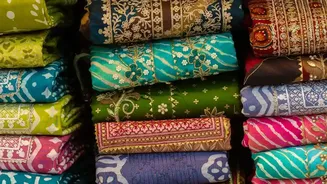
The material of your clothing is your first line of defense. In hot, humid conditions like those common during the Indian monsoon, fabric choice is paramount. While cotton is often praised for its breathability in dry heat, it can be a poor choice in humidity and rain as it absorbs moisture and takes a long time to dry. For humid weather, lightweight and quick-drying fabrics are superior. Look for linen, which offers excellent airflow, or modern synthetics and blends like rayon, georgette, and crepe that wick moisture away from the skin and dry quickly. Some sources suggest cotton-blends can offer a good compromise between comfort and performance. In contrast, for cold weather, wool is an excellent insulator that stays warm even when damp, while synthetic fleece is another effective and quick-drying option.
Mastering the Art of Layering
Layering is the ultimate strategy for managing changing weather throughout the day. A well-planned layering system allows you to adapt by adding or removing clothes as conditions shift. The system is typically built on three main components. The base layer, worn next to your skin, should be made of a moisture-wicking material like merino wool or a synthetic fabric to pull sweat away. The middle layer is for insulation; this is your heat-retaining layer, such as a fleece jacket or a lightweight down vest. The final piece is the outer layer or shell, which is your protection from wind and rain. A good shell will be waterproof or water-resistant and breathable, allowing internal moisture to escape while blocking the elements.
Special Considerations for Monsoon Season
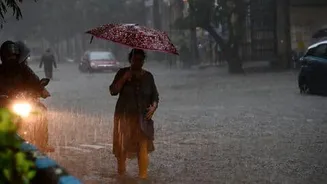
Dressing for the Indian monsoon presents a unique challenge where staying dry is as important as staying cool in the humidity. Quick-drying fabrics are your best friends. Synthetic materials like polyester georgette and nylon blends are highly practical for kurtas and trousers because they don't absorb much water and resist mould. It's also wise to opt for shorter hemlines—think cropped trousers or midi-length dresses—to avoid dragging your clothes through puddles. Darker colours are a practical choice as they are less likely to show water marks or become transparent when wet. Avoid pure silk, which can be permanently damaged by water spots, and heavy denim that becomes incredibly heavy and slow to dry.
Choosing the Right Footwear
Your footwear choice can make or break your comfort on any given day. For rainy conditions, waterproof materials and good traction are essential to keep feet dry and prevent slipping on wet surfaces. Look for shoes with rubber outsoles and deep treads. In hot and humid climates, breathability is key. Shoes made with mesh or knit fabrics allow for better air circulation, which helps keep feet cool and reduces sweat. For days with unpredictable weather, a water-resistant ankle boot or a versatile sneaker can provide a good balance of protection and comfort, adapting to both a morning drizzle and afternoon sun.