





Winter's Hearty Harvest
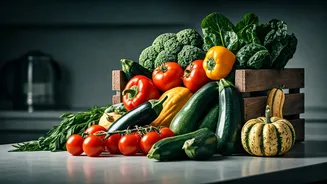
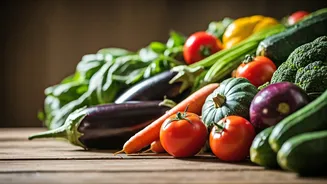
Winter brings a welcome chill and a bounty of robust, leafy greens and root vegetables that are perfect for warming, hearty meals. This is the season when vegetables are at their most flavourful and nutrient-dense. **Sarson (Mustard Greens):** The quintessential
winter green, sarson is the star of the famous ‘Sarson ka Saag’. Its sharp, peppery flavour is packed with Vitamins A, C, and K. To balance its slight bitterness, it’s often cooked with milder greens like spinach or bathua and finished with a generous dollop of white butter or ghee. **Gajar (Carrots):** While available year-round, the deep red ‘Delhi carrots’ of winter are sweeter, juicier, and perfect for making the beloved Gajar ka Halwa. They are a fantastic source of beta-carotene and add a natural sweetness to stir-fries, soups, and salads. A simple ‘Gajar Matar’ sabzi is a staple in many households during this season. **Methi (Fenugreek Leaves):** Another winter favourite, methi leaves have a distinct, slightly bitter taste that pairs wonderfully with potatoes in ‘Aloo Methi’ or when kneaded into flour for ‘Methi Thepla’. Rich in iron and fibre, these greens are known for their digestive benefits. To reduce their bitterness, you can sprinkle some salt on the chopped leaves and let them rest for 15 minutes before squeezing out the water.
Summer's Cooling Classics
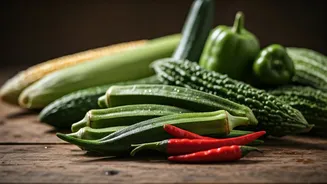
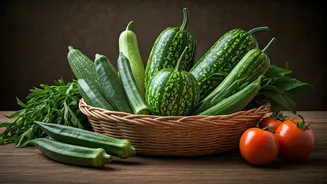
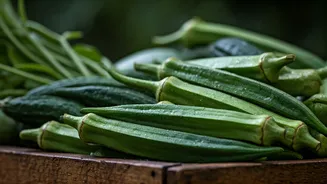
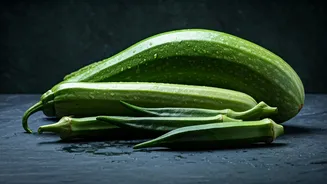
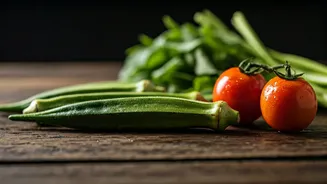
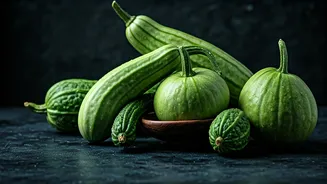
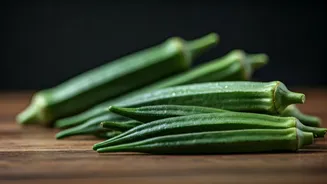
As temperatures soar, nature provides us with vegetables that are light, hydrating, and easy to digest. Summer vegetables are typically high in water content, helping you stay cool and refreshed from the inside out. **Lauki (Bottle Gourd):** Often misunderstood, lauki is a summer superhero. With over 90% water content, it’s incredibly cooling for the body. It has a mild, subtle flavour that absorbs spices beautifully, making it versatile for simple curries, koftas, or even a refreshing raita. A simple ‘Lauki Chana Dal’ is both nutritious and comforting during hot afternoons. **Bhindi (Okra):** A favourite across India, bhindi is at its tender best in the summer. Whether you like it crispy as ‘Kurkuri Bhindi’ or in a tangy tamarind-based curry, this vegetable is a great source of fibre and Vitamin C. To avoid the sliminess, ensure the okra is completely dry before you chop it and cook it on a high flame. **Kakdi (Cucumber):** The ultimate cooling vegetable, kakdi is a must-have. Eaten raw in salads, blended into juices, or added to raita, it provides instant hydration. Its crisp texture and refreshing taste offer a welcome respite from the summer heat. It's not just a side dish; it's a seasonal necessity.
Monsoon's Earthy Delights
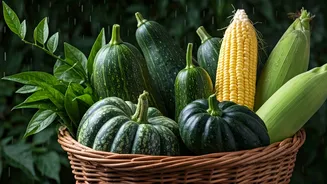
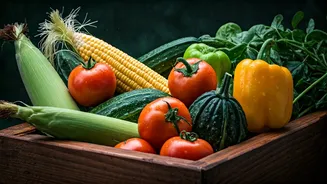
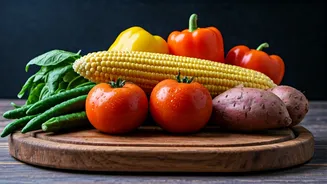
The monsoon season brings life back to the earth, and with it, a unique variety of vegetables. This is the time for gourds, roots, and tubers that thrive in the damp, humid climate. **Karela (Bitter Gourd):** Love it or hate it, you can’t ignore it during the monsoons. This vegetable is prized in Ayurveda for its numerous health benefits, including being great for blood sugar management. A well-made ‘Bharwa Karela’ (stuffed bitter gourd) can convert even the staunchest skeptics. Soaking the sliced karela in salt water before cooking can help reduce its bitterness. **Arbi (Colocasia Root):** This starchy root vegetable has a nutty, earthy flavour and a satisfyingly creamy texture when cooked. It’s a great source of dietary fibre and resistant starch. Whether prepared as a dry ‘Arbi Fry’ with ajwain or a rich ‘Arbi Masala’ curry, it’s a comforting and delicious monsoon staple. Always cook arbi thoroughly to avoid throat irritation. **Bhutta (Corn):** The sight and smell of roasted bhutta, slathered with lemon and masala, is synonymous with Indian monsoons. Fresh corn on the cob is not only a delightful snack but also a versatile ingredient for sabzis, soups, and salads. It’s packed with antioxidants and fibre, making it a healthy and tasty seasonal treat.