



Choose a Water-Resistant Bag
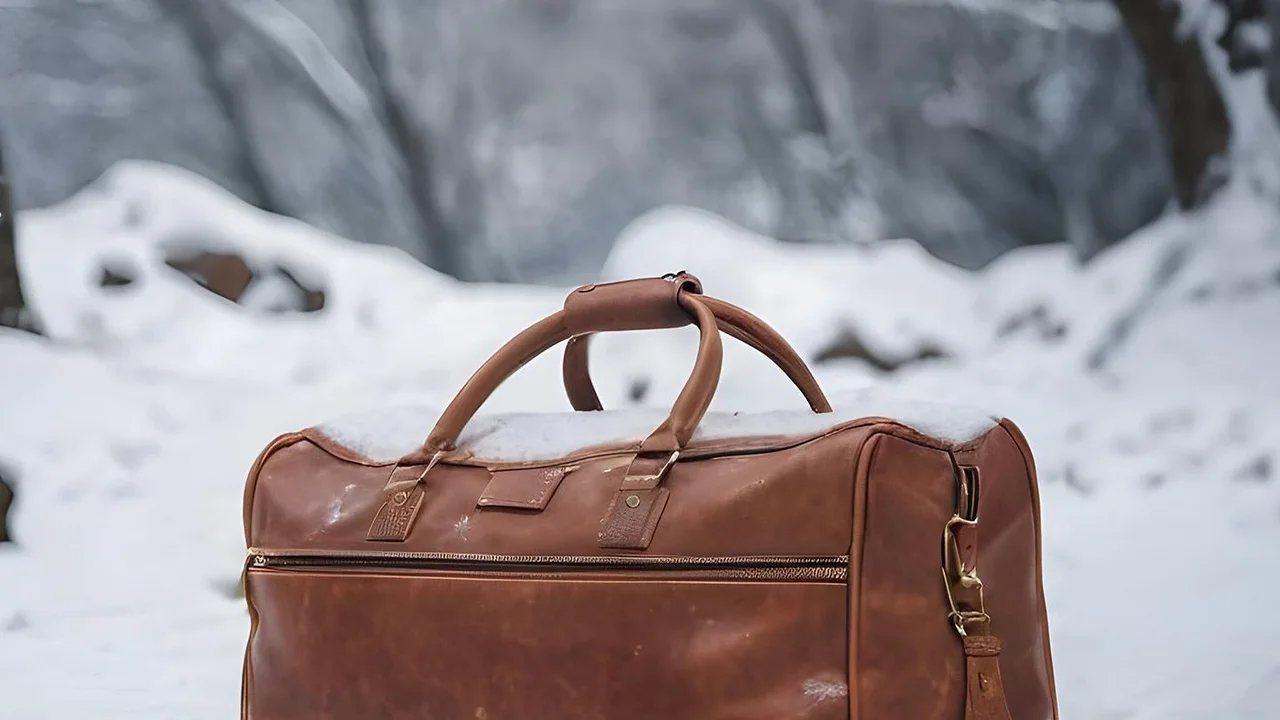
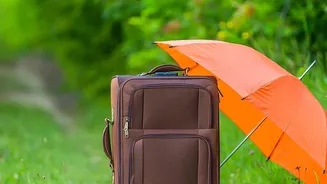
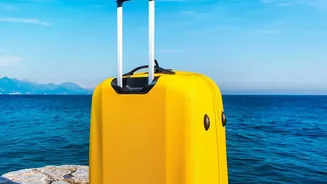
Your first line of defence is your carry-on itself. While few bags are completely waterproof, many are highly water-resistant. Hard-shell luggage made from materials like polycarbonate is inherently waterproof. For soft-shell bags, look for those made from coated
nylon or PVC, which are designed to repel moisture. Pay close attention to the zippers; sealed or water-resistant zippers prevent water from seeping through what is often the weakest point of a bag. Even if your bag isn’t fully waterproof, starting with a weather-resistant model provides a crucial outer barrier against sudden showers.
Line Your Luggage for an Inner Shield
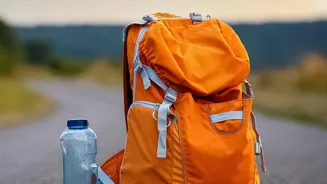
One of the simplest and most effective low-cost strategies is to line the inside of your backpack or suitcase with a large plastic bag, like a trash compactor bag, before you start packing. This creates an internal waterproof layer. Once your bag is lined, pack your belongings inside the plastic liner, then fold or roll the top of the bag closed. This trick acts as a fail-safe, protecting your contents even if the outer shell of your luggage gets soaked while sitting on the tarmac or during a rainy walk to your hotel.
Embrace Dry Bags as Super-Powered Organisers
Think of dry bags as packing cubes with superpowers. These lightweight, waterproof sacks are designed to keep gear dry even in heavy rain or when submerged. They are invaluable for protecting your most critical items. Use a larger dry bag for your main change of clothes and smaller ones for electronics, travel documents, and medicines. This compartmentalised approach not only keeps you organised but also provides a second, robust layer of protection for things that absolutely cannot get wet. Some travellers even use different coloured dry bags to easily identify contents without unpacking everything in the rain.
Use Waterproofing Sprays and External Covers
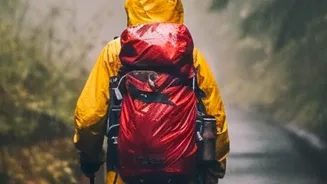
You can boost the water resistance of your existing fabric luggage with a Durable Water Repellent (DWR) spray. These sprays work by causing water to bead up and roll off the fabric instead of soaking in. For best results, clean your bag and apply the spray evenly in a well-ventilated area, allowing it to dry completely before your trip. For backpacks, an external rain cover is an excellent and easy-to-use accessory. These covers are lightweight, inexpensive, and can be quickly pulled over your entire pack to shield it from a downpour.
Pack Smart with the Right Fabrics
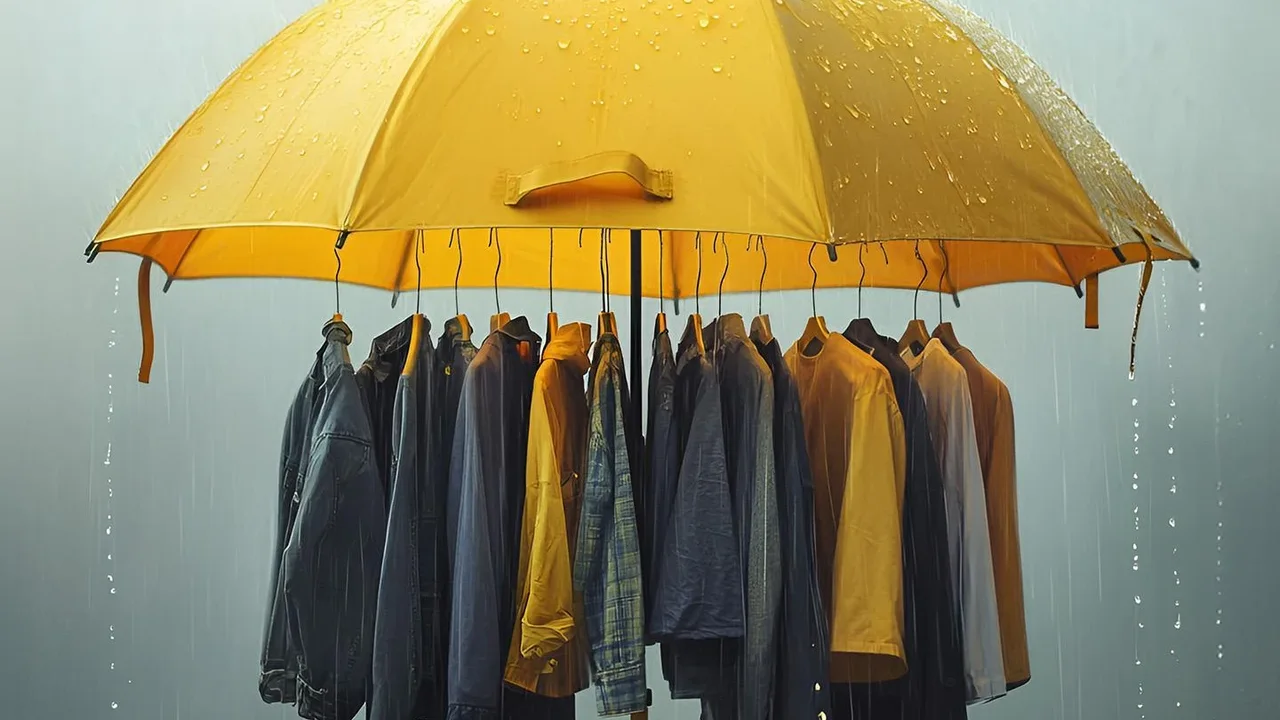
Your clothing choices are also a key part of your monsoon-proofing strategy. Prioritise packing clothes made from quick-drying synthetic fabrics like polyester and nylon. These materials dry much faster than cotton, which can take days to dry in high humidity. Having quick-dry clothes means that even if something gets damp, you can wash it in a hotel sink and have it ready to wear by the next morning. It's also wise to keep a separate waterproof bag for any wet or dirty clothes to prevent moisture from spreading to your dry items.
Combat Humidity with Silica Gel Packets
Rain isn't the only source of moisture during monsoon season; high humidity can cause condensation and a musty smell inside your luggage. To combat this, toss a few silica gel packets into your main compartment and electronics pouches. These small packets absorb ambient moisture, helping to keep your clothes fresh and protecting sensitive electronics from dampness that can build up even inside a sealed bag.