





The Problem with Unseen Dampness
The most dangerous water in your bathroom isn't in the tub; it's the moisture you can't see. When water vapour from hot showers has nowhere to go, it settles on every surface. While you might wipe down the mirror, this moisture also seeps into hidden
corners, behind the toilet, under the sink, and into the grout between tiles. This trapped dampness creates the perfect breeding ground for mould and mildew. These fungi are not just unsightly; they can release spores into the air that may trigger allergies, asthma, and other respiratory issues. Over time, persistent moisture can also cause serious structural problems, like peeling paint, warped cabinetry, and even rotting wall studs and floorboards.
Identifying the Hidden Culprits
To win the battle against moisture, you need to know where it hides. Start by looking for subtle signs. A persistent musty or earthy smell, even after cleaning, is a major red flag for hidden mould. Check your walls for paint that is bubbling, peeling, or cracking, as this often means moisture is trapped behind it. Gently press on the drywall near showers and sinks; if it feels soft or spongy, water has likely compromised its integrity. Other clues include dark or yellowish stains on walls and ceilings, warped baseboards, and tiles that sound hollow when tapped. Even something as simple as leaving a wet bathmat on the floor or a damp towel in a pile can contribute to a constant state of humidity.
Ventilation Is Your Best Defence
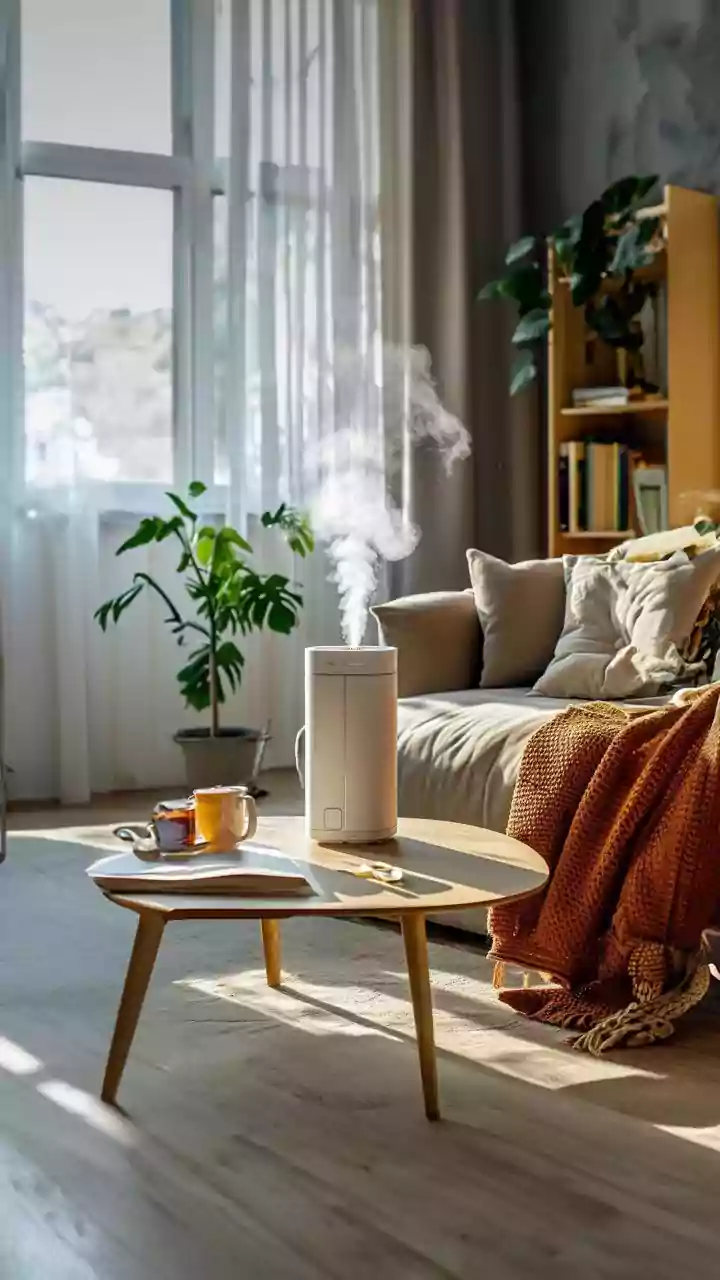
The most effective way to combat moisture is to remove it from the room. Proper ventilation is non-negotiable. If you have an exhaust fan, use it every time you shower or bathe and leave it running for at least 15-20 minutes afterwards to clear all the steam from the air. A functioning exhaust fan pulls humid air out of the room, preventing it from settling on surfaces. If you don't have a fan, opening a window—even just a crack—can make a significant difference. Keeping the bathroom door open after use also helps air to circulate and allows the damp air to dissipate throughout the rest of the house.
Simple Habits for a Drier Bathroom
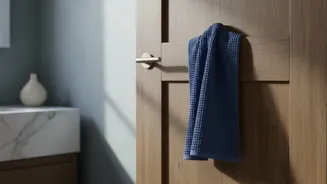
Beyond ventilation, a few daily habits can drastically reduce moisture levels. After showering, use a squeegee to quickly wipe water off glass doors, mirrors, and tiled walls. This removes the bulk of the water before it has a chance to evaporate into the air. Always hang towels and bathmats so they can dry completely between uses; never leave them bunched up on the floor or in a hamper. Make it a habit to wipe up any spills or pools of water around the sink and tub immediately. Don't forget to check under the sink and behind the toilet regularly for any signs of small leaks from pipes or seals, as these can be a slow but steady source of hidden water damage.
Knowing When to Seek Help
While good habits can prevent most issues, some problems require a professional. If you have extensive visible mould (especially black mould), or if a musty smell persists despite your best efforts to ventilate and clean, it's time to call in an expert. Mould remediation specialists can safely remove infestations and identify the source of the problem. Similarly, if you discover soft spots in your walls, warped flooring, or large water stains, you may have a hidden plumbing leak. In this case, a plumber is needed to find and repair the source before you can address the water damage itself. Ignoring these serious signs can lead to much costlier repairs down the road.