




Prep Your Car Before the Clouds Gather
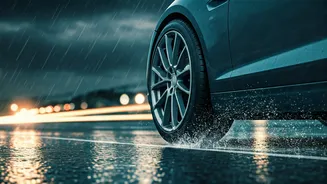
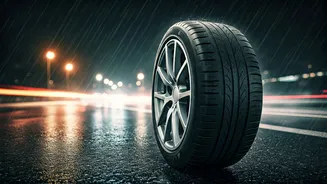
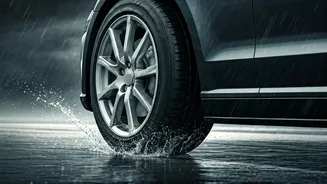
The best way to handle a wet road is with a well-prepared car. Before the monsoon season truly sets in, give your vehicle a thorough check. Your tyres are the most critical component. Ensure they have adequate tread depth (use a one-rupee coin; if the head
of the Ashoka lion pillar is visible, you need new tyres). Properly inflated tyres provide better grip. Secondly, inspect your wiper blades. If they leave streaks or make squeaking noises, replace them. Old, hardened rubber won't clear your windscreen effectively. Finally, check all your lights—headlights, taillights, brake lights, and indicators. Clean visibility is a two-way street: you need to see, and others need to see you.
Double Your Following Distance
You’ve probably heard of the three-second rule for maintaining a safe distance in dry weather. When it rains, you need to double it to at least six seconds. Why? Because your car’s braking distance dramatically increases on wet surfaces. Water acts as a lubricant between your tyres and the road, reducing friction. A six-second buffer gives you significantly more time to react to a sudden stop or a hazard ahead. To measure this, watch the vehicle in front of you pass a fixed object like a lamp post or a tree, then count the seconds it takes for you to pass the same object. If it’s less than six, gently ease off the accelerator.
Understand and Avoid Hydroplaning
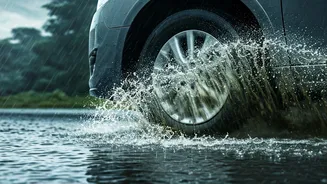
Hydroplaning is one of the most frightening experiences a driver can have. It occurs when a layer of water builds up between your tyres and the road surface, leading to a complete loss of steering and braking control. It feels like your car is skating on ice. To avoid it, reduce your speed. Hydroplaning is far more likely at higher speeds. Also, avoid driving in the outer lanes where water tends to pool. If you do start to hydroplane, do not panic and do not slam on the brakes or make sharp turns. Instead, ease your foot off the accelerator and steer straight until your tyres regain their grip on the road.
Master Your Lights and Signals
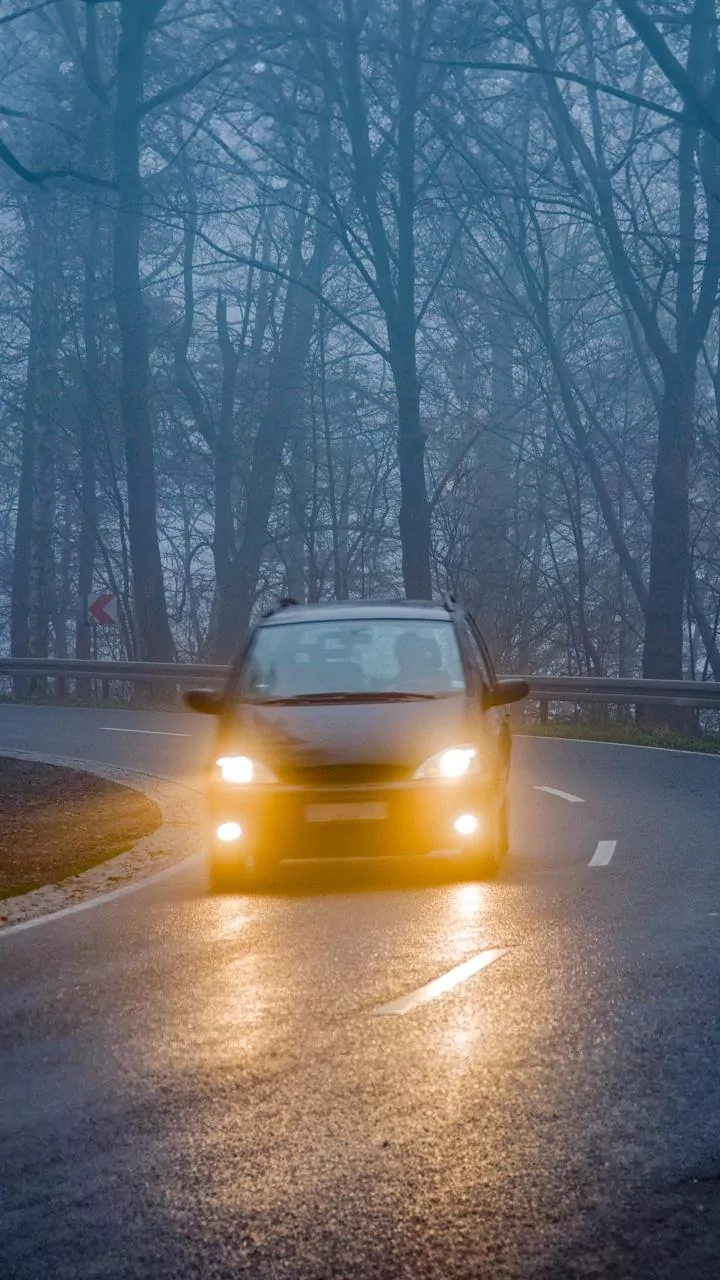
In heavy rain, visibility drops for everyone. Turn on your low-beam headlights even during the day. This is less about you seeing and more about other drivers seeing you. Avoid using your high beams, as they can reflect off the rain and fog, creating glare and worsening visibility for you and oncoming traffic. A common mistake in India is to switch on hazard lights while driving in the rain. Do not do this. Hazard lights are meant for a stationary vehicle. When you use them while moving, other drivers cannot tell if you are about to turn or change lanes, creating dangerous confusion.
Brake Smarter, Not Harder
Sudden, hard braking on a wet road is a recipe for a skid. Instead, anticipate the need to slow down and apply gentle, steady pressure on the brake pedal. If your car is equipped with an Anti-lock Braking System (ABS), you will feel a pulsing sensation in the pedal during a hard stop. This is normal; the system is working to prevent the wheels from locking up. Do not pump the brakes if you have ABS. Maintain firm pressure and let the system do its job. For older cars without ABS, you may need to gently pump the brakes yourself to avoid a lock-up.
Navigate Waterlogged Roads with Caution
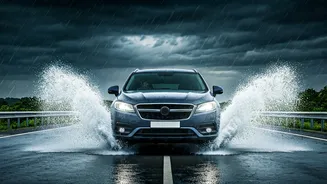
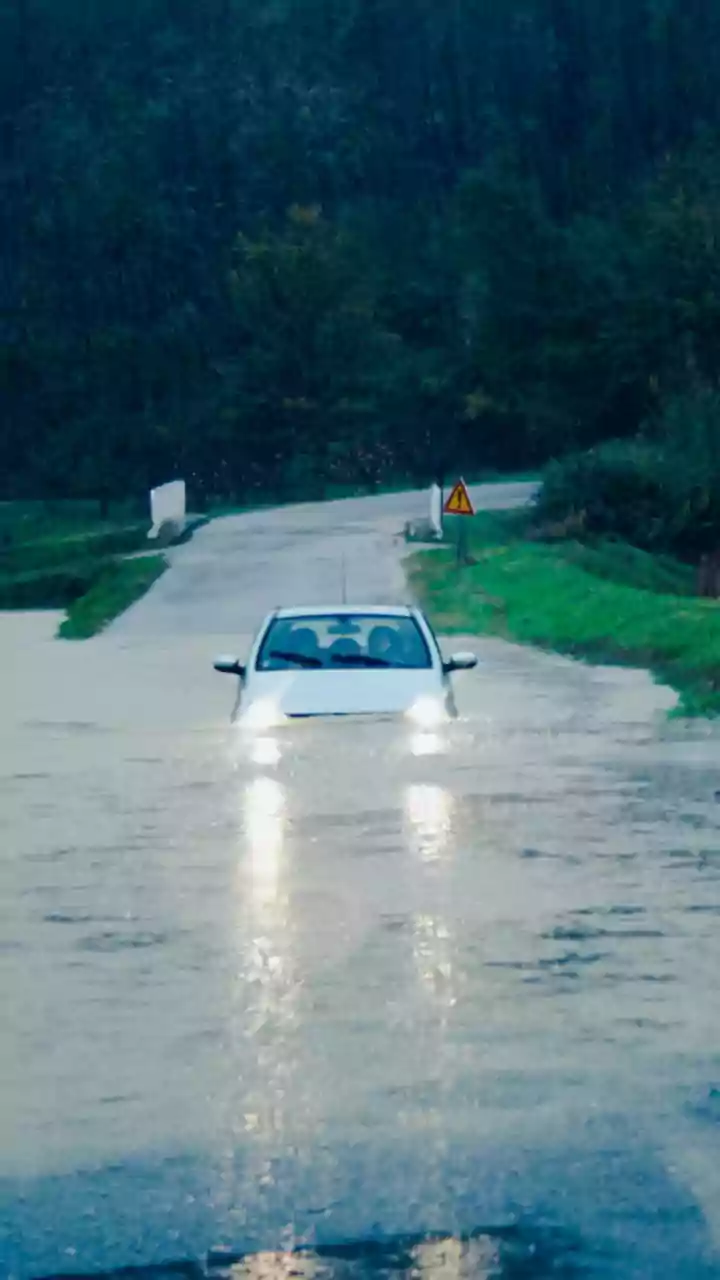
A large puddle can hide a car-damaging pothole. Worse, driving too quickly through deep water can cause it to be sucked into your engine's air intake, leading to catastrophic engine failure—a condition known as hydrostatic lock. If you must drive through a waterlogged area, watch other cars to gauge the depth. Drive slowly and steadily in a low gear (first or second). Avoid creating a large bow wave. Once you're through, gently tap your brakes a few times to dry them out and ensure they are working effectively.
Keep Your Windscreen Clear, Inside and Out
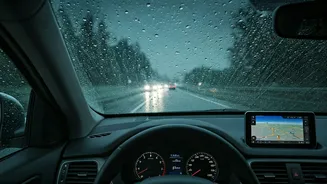
Rain doesn't just obscure your view from the outside; humidity can cause your windscreen to fog up from the inside. This is due to the temperature and moisture difference between the inside and outside of the car. The quickest way to clear a fogged-up windscreen is to use your car's air conditioning. Turn on the AC and direct the vents towards the windscreen. The AC acts as a dehumidifier, rapidly clearing the mist and giving you a clear view of the road ahead.