


The Power of Moong Dal
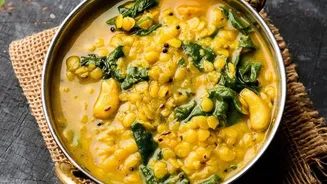
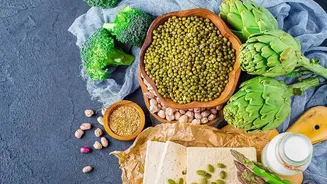
Before we get to the customisations, it's worth appreciating the base ingredient. Moong dal, or split mung bean, is a nutritional powerhouse. It's celebrated for being rich in plant-based protein and easily digestible, making it a staple in Indian households.
A single serving is loaded with essential nutrients like potassium, magnesium, iron, and B vitamins. It’s also naturally low in fat and has a low glycemic index, which helps in managing blood sugar levels and keeping you feeling full for longer, making it an excellent choice for weight management.
Why More Fibre Matters
The headline promises extra fibre, and for good reason. Dietary fibre is crucial for good health. It plays a key role in promoting digestive health by preventing constipation and supporting a healthy gut. A diet rich in fibre, which you get from vegetables and fruits, can also help lower blood pressure, reduce the risk of heart disease, and stabilise blood sugar. By adding vegetables to your chilla, you’re not just adding flavour and texture; you’re significantly boosting its health quotient.
Tips for Adding Veggies
The secret to a perfect vegetable-loaded chilla is in the preparation. You want to add nutrients without making the batter watery, which leads to soggy pancakes. For hard vegetables like carrots and beetroot, grating them is the best approach. For vegetables with high water content, like zucchini or bottle gourd (lauki), it's a good idea to grate them, toss them with a little salt, and let them sit for a few minutes before squeezing out the excess moisture. Leafy greens like spinach or fenugreek (methi) should be finely chopped. You can add these prepared vegetables directly into the batter just before cooking.
Winter Vegetable Combinations
Winter in India brings a bounty of robust vegetables that are perfect for chillas. Think grated carrots for a touch of sweetness, finely chopped fenugreek leaves (methi) for a slightly bitter, complex flavour, or tender green peas. You can also add finely chopped spinach, grated beetroot for a vibrant colour and earthy taste, or even grated cauliflower. These vegetables are at their nutritional peak during the colder months and pair beautifully with the savoury flavour of the moong dal.
Summer and Monsoon Choices
During the hot summer months, opt for lighter, water-rich vegetables. Grated and squeezed bottle gourd or zucchini are excellent choices. Finely chopped bell peppers (capsicum) or onions also add a wonderful crunch and flavour. When the monsoon arrives, you can incorporate sweet corn, chopped beans, or even grated pumpkin into the mix. These seasonal additions ensure your chilla is not only healthy but also always interesting and full of fresh flavour.
A Simple Moong Dal Chilla Recipe
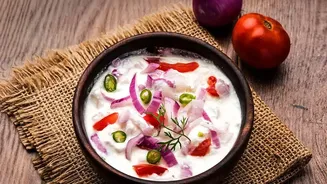
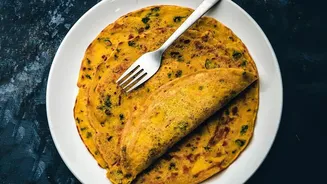
Ready to get started? Here’s a basic recipe to build upon.Ingredients:1 cup yellow moong dal, soaked for at least 3-4 hours1/2 inch ginger1 green chilliSalt to tasteApprox. 1/2 cup water for grinding1 cup of your choice of finely chopped or grated seasonal vegetablesOil or ghee for cookingInstructions:1. Drain the soaked moong dal and add it to a blender with the ginger, green chilli, and salt.2. Add water gradually and blend to a smooth, thick batter. The consistency should be like that of a pancake batter—easy to pour but not too runny.3. Transfer the batter to a bowl and stir in your prepared seasonal vegetables.4. Heat a non-stick or cast iron pan over medium heat and lightly grease it with oil.5. Pour a ladleful of batter onto the centre of the pan and spread it in a circular motion to form a thin pancake.6. Drizzle a little oil around the edges and cook for 2-3 minutes, until the underside is golden brown and crisp.7. Flip the chilla and cook the other side for another minute or two.8. Serve hot with your favourite chutney or yogurt.