



From Museum to Haven
So, what exactly is a 'lived-in' home? It's not about being messy. Instead, it’s a move away from interiors that feel stiff or like a museum. Professional designers note that while minimalism was praised for reducing clutter, it often resulted in spaces
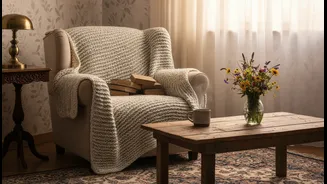
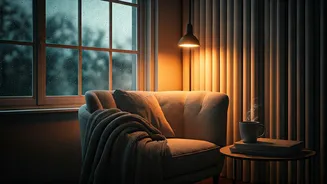
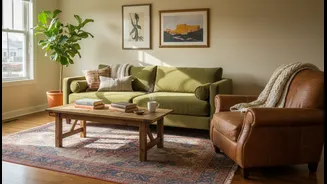
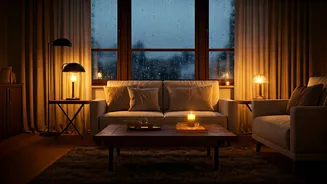
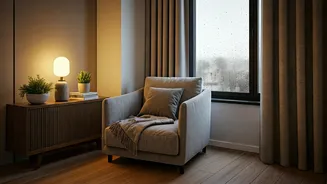
that felt cold and impersonal. The lived-in look, sometimes called 'lived-in luxury,' embraces imperfection as a sign of life. Think of gently creased linen, slightly worn wooden furniture, and books stacked casually rather than being styled to sterile perfection. It’s about creating a space that feels natural and used, not staged for a photoshoot. The goal is a home that tells the story of its inhabitants, filled with items collected over time.
The Rise of 'Bookshelf Wealth'
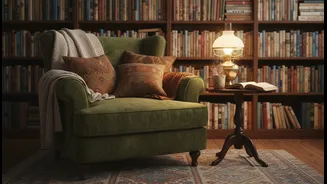
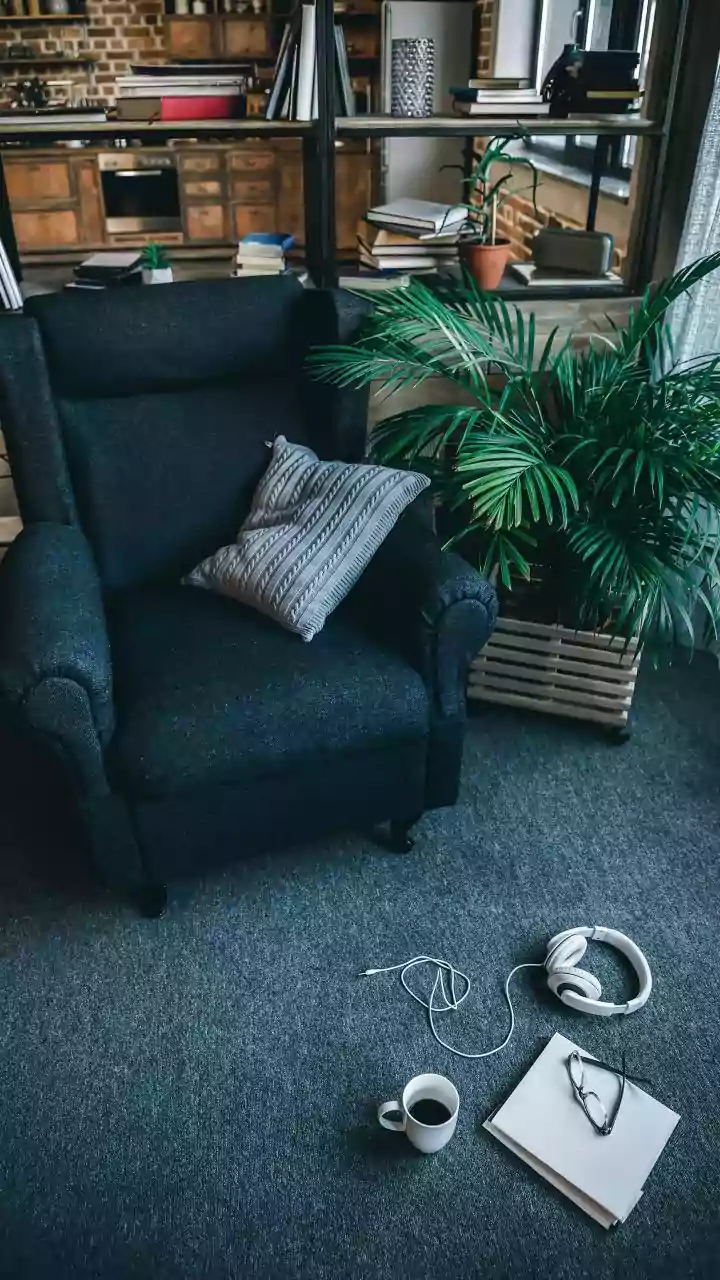
A key component of this trend is the concept of 'bookshelf wealth'. This has little to do with money and everything to do with showcasing a life rich in stories and experiences. The aesthetic celebrates shelves filled with books that have actually been read, their spines a testament to the owner's journey. It’s the antithesis of buying books by the yard purely for display. This trend, which has gained huge popularity on social media, is about surrounding yourself with things that fill your soul—books, art, and personal mementos that evoke memories. Art is often displayed in unconventional ways, perhaps layered or even resting on the floor, adding to the casual, collected-over-time feel.
A Reaction to Digital Perfection
Why is this happening now? Many experts see it as a direct response to the hyper-curated, 'Instagram-perfect' aesthetic that dominated the last decade. After years of striving for a flawless online image, people are craving authenticity and comfort in their personal spaces. The pandemic also played a significant role, forcing us to spend more time at home and reconsider our relationship with our living environments. The desire for warmth, personality, and a space that feels like a true sanctuary has overtaken the need for a home that simply looks good to outsiders. It is a shift from performative perfection to genuine personal expression.
Curated, Not Cluttered
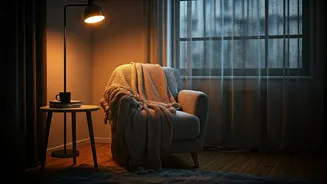
It's important to draw a line between the 'lived-in' look and simple clutter. While related concepts like 'cluttercore' celebrate an abundance of personal items, the key to a successful lived-in space is curation. Maximalism, for instance, uses bold colours and layers but often unites them with a coherent theme. Cluttercore, in contrast, can be a more spontaneous jumble of joyful objects. The lived-in aesthetic sits somewhere in the middle, or perhaps represents an evolution. It’s about being intentional. It's an 'organized chaos' where cherished possessions are displayed artfully, not just left in piles. The focus is on creating a space that is both visually interesting and deeply comforting—a home that functions as an 'emotional security blanket.'