






The Anatomy of a Monsoon Traffic Jam
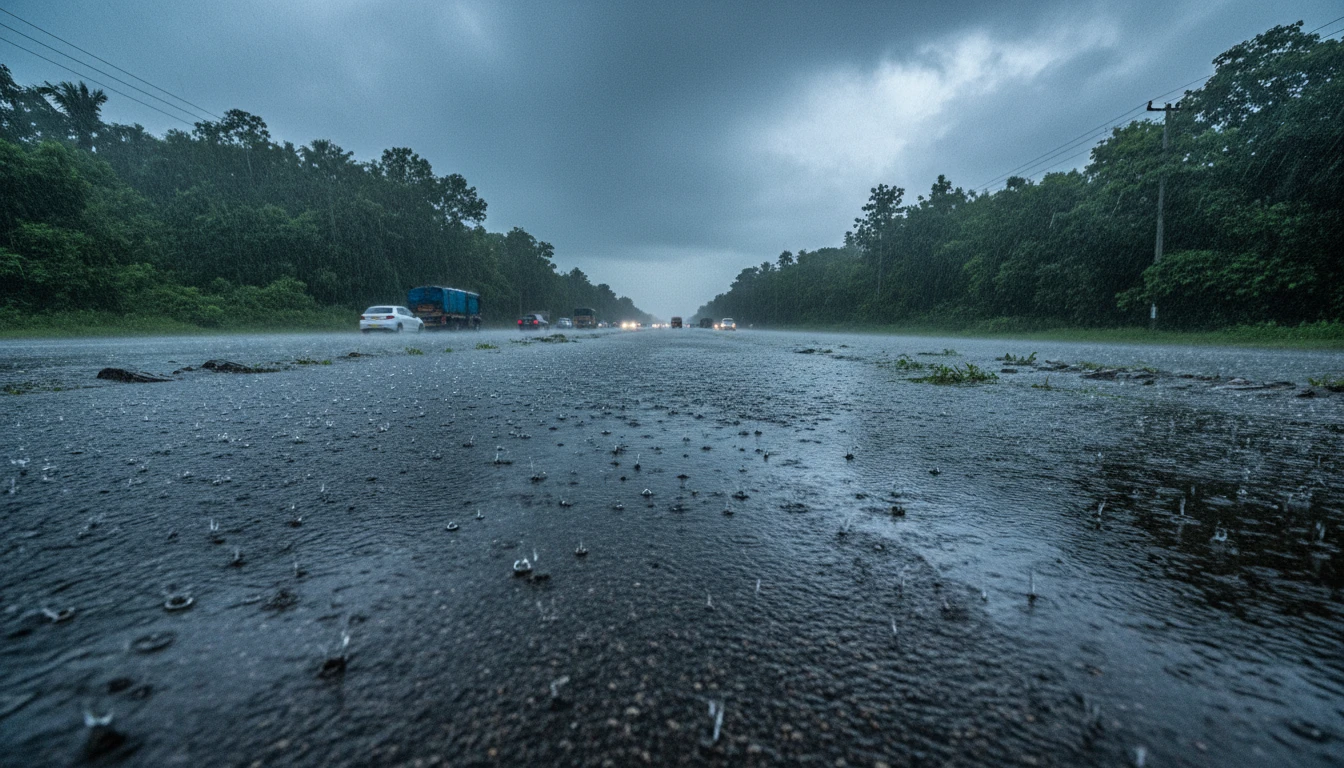
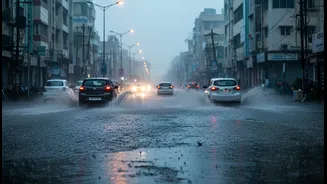
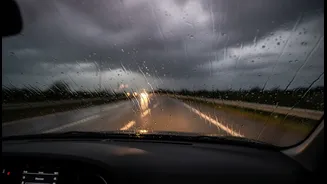
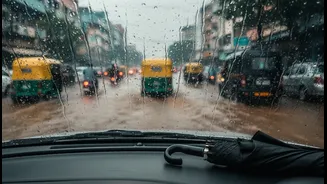
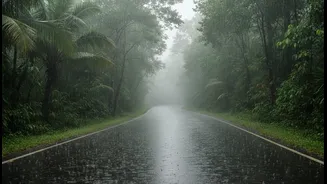
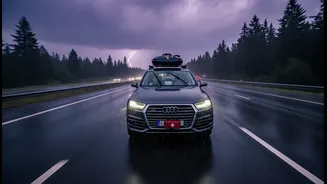
The first drops of a heavy shower trigger a domino effect on city roads. Visibility plummets, forcing drivers to slow down. Wet roads increase braking distances, making skidding more likely. This universal slowdown is just the beginning. The real culprit
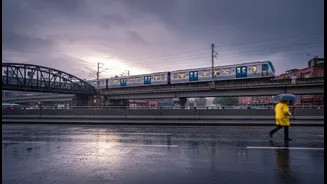
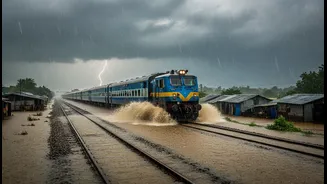
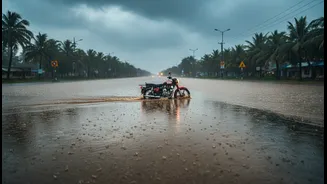
is waterlogging. Low-lying areas and underpasses quickly become inaccessible, forcing traffic onto fewer, more congested routes. Potholes, already a menace, disappear under sheets of muddy water, creating hidden traps for unsuspecting vehicles. The result is a city-wide gridlock where a 30-minute commute can easily stretch into a multi-hour ordeal, impacting road and rail transport alike.
Before You Drive: The Pre-Monsoon Vehicle Check
Your car's readiness can be the difference between a safe journey and being stranded. Before the monsoon fully sets in, a few checks are non-negotiable. Tyres are your first line of defence. Ensure they have adequate tread depth to channel water away and prevent aquaplaning, a dangerous situation where tyres lose contact with the road. Next, inspect your brakes; wet conditions can reduce their effectiveness. Finally, test your equipment for visibility: replace worn-out wiper blades that smear water instead of clearing it, and check that all your lights—headlights, tail lights, and indicators—are functioning perfectly. In a downpour, being seen is as important as seeing.
The Danger of 'Just a Puddle'
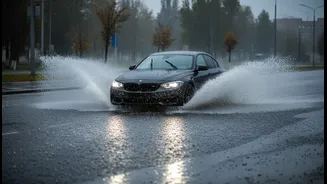
That stretch of waterlogged road might look harmless, but it's one of the biggest risks. It’s impossible to judge the depth of the water or the condition of the road beneath. A mere six inches of water can be enough to cause many passenger cars to stall or lose control. Twelve inches of moving water can float most cars, and two feet can carry away even SUVs and trucks. Driving through floodwater risks severe engine damage if water enters the air intake, a costly repair. It can also short out your car's electrical systems, leaving you stranded in a hazardous situation. The golden rule is simple: if you see a flooded road, turn around. It's not worth the risk.
Smarter Commuting: Plan and Pack
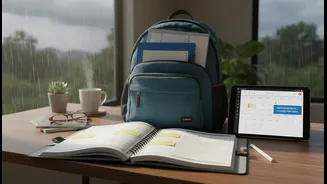
You can't control the weather, but you can outsmart it. Before leaving, check weather updates and traffic apps for real-time information on waterlogging and congestion. If heavy rain is forecast, consider adjusting your schedule—leaving earlier or later can help you avoid the peak rush hour chaos. For those relying on public transport, be prepared for delays and overcrowding as services get strained. Always carry an essential monsoon kit: a waterproof bag for your electronics, a fully charged power bank, a small towel, and an umbrella or raincoat. These small items can make a huge difference if you find yourself delayed or drenched.
Safety on Foot: Navigating the Streets
If you're walking, the hazards are different but just as serious. The most immediate risk is slipping on wet, slick surfaces. Wear footwear with a good grip to navigate pavements and station platforms safely. Be extremely cautious of where you step. Stagnant water can hide open drains, potholes, or other debris. There's also a risk from falling trees or loose electrical wires, so stay aware of your surroundings. If possible, avoid walking through contaminated floodwater, which can lead to infections. A simple pair of rubber sandals or boots can offer much-needed protection.