



What Exactly is Agrivoltaics?
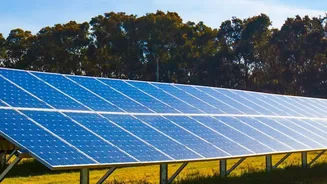
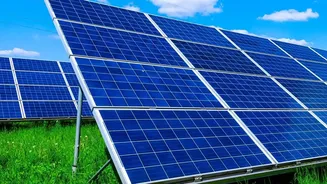
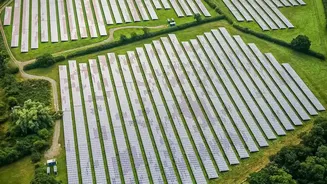
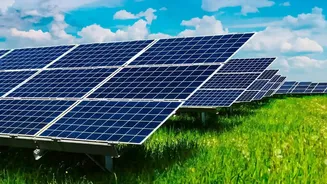
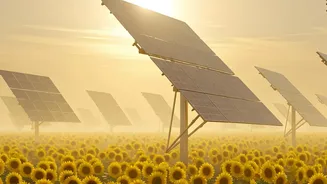
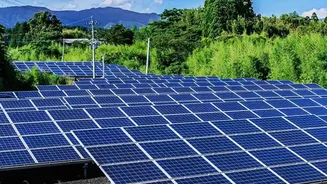
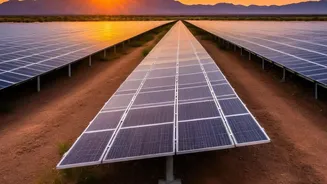
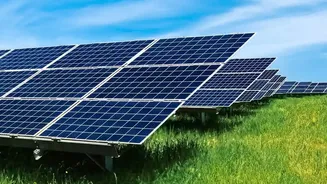
At its core, agrivoltaics is the practice of using the same piece of land for both agriculture and solar power generation. Instead of vast solar parks occupying barren land, picture elevated solar panels mounted high enough for crops to grow underneath.
This dual-use system is designed to resolve the growing conflict between the need for land for renewable energy and the need to preserve agricultural land for food security. Pilot projects are showing that this symbiotic relationship can be beneficial; the panels can protect crops from harsh sun and reduce water evaporation, while the crops can help keep the panels cool, increasing their efficiency.
The New Government Push
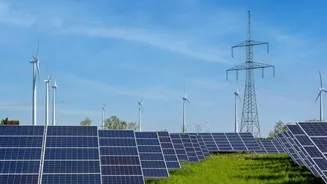
The 'latest drive' comes from a renewed government focus on decentralised renewable energy, primarily through the PM-KUSUM scheme. This flagship program encourages farmers to install solar power plants on their land and provides significant subsidies, covering up to 60% of the initial costs. The idea is to empower farmers to not only meet their own irrigation needs but also to sell surplus power to the grid, creating a new, stable source of income. With India aiming for 500 GW of non-fossil fuel energy capacity by 2030, agrivoltaics is being seen as a critical tool to achieve this goal without sacrificing precious farmland.
A Second, Drought-Proof Paycheck?
The most compelling promise of agrivoltaics for India's farmers is income diversification. Agriculture is often subject to the whims of weather and volatile market prices, but an income from selling electricity offers a steady, predictable revenue stream. Farmers can earn money by either leasing their land to solar developers or by owning the solar assets themselves. For a community grappling with economic distress, this could be a game-changer. Pilot projects have shown promising results, with some studies indicating a significant increase in revenue compared to traditional farming alone. State-level schemes in places like Maharashtra and Gujarat are further sweetening the deal with guaranteed tariffs for the power farmers supply to the grid.
Not All Sunshine and Harvests
Despite the potential, the path to widespread adoption is filled with hurdles. The primary challenge is the high upfront cost of installation. Even with subsidies, the capital required for elevated structures is often beyond the reach of small and marginal farmers, who make up the majority of the agricultural community. Access to finance remains a major roadblock, as banks are often hesitant to extend loans for such projects. Furthermore, there are technical questions to consider. Not all crops are suitable for growing in the shade of solar panels, and there are concerns about potential long-term impacts on soil health and the costs associated with maintaining the elevated structures.
The Real-World Dilemma for Farmers
Ultimately, the success of agrivoltaics hinges on making it truly farmer-centric. The current beneficiaries of schemes like PM-KUSUM are often larger, well-capitalised landowners who can navigate the complex application processes and secure financing. For the small farmer, the risk can feel immense. Will the shade from the panels reduce their crop yield? Do they have the technical know-how for maintenance? Is the tariff offered for their electricity high enough to justify the investment? Experts and farmer organisations are calling for policies that support farmer collectives and provide better financing options to ensure the benefits are distributed equitably and don't just flow to a select few.