








Jamun (Indian Blackberry)
This deep purple fruit is a quintessential monsoon delight and a nutritional powerhouse. [25] Jamun is loaded with Vitamin C and antioxidants, which are crucial for strengthening the immune system and fighting off infections that are common during this
season. [23, 24] Its high iron content helps improve hemoglobin levels, while its astringent properties aid in keeping the gut healthy, preventing issues like indigestion and diarrhea. [24, 25] With a low glycemic index, it's also a great fruit for those looking to manage blood sugar levels. [25] Enjoy them fresh or as a juice, but consume them while they're in season.
Pomegranate (Anaar)
Known for its ruby-red arils, the pomegranate is another fantastic addition to your monsoon diet. This fruit is packed with potent antioxidants that have anti-inflammatory and antiviral properties, helping to protect your body against seasonal illnesses. [3, 11] Pomegranates support good digestive health and can help restore a healthy gut balance. [19, 22] They are a rich source of Vitamin C, which further bolsters your immune defenses. [11] Sprinkle the seeds over salads and yogurt, or enjoy a glass of fresh juice to reap its benefits. [19]
Ginger and Turmeric
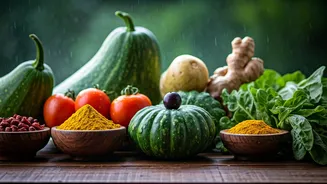
These two spices are cornerstones of traditional Indian medicine for good reason, especially during the monsoon. Ginger is known for its warming properties and its ability to soothe a sore throat and fight flu-like symptoms. [13] It is a powerful digestive aid that helps combat indigestion and bloating. [2, 10] Turmeric, with its active compound curcumin, is a potent anti-inflammatory and antibacterial agent that protects against infections prevalent in the rainy season. [3, 8] Start your day with a warm ginger tea or enjoy a soothing cup of 'haldi doodh' (turmeric milk) before bed. [13, 14]
Gourds like Lauki and Karela
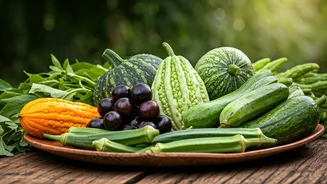
The monsoon brings a variety of gourds, and they are perfect for the season's dietary needs. Vegetables like bottle gourd (lauki), bitter gourd (karela), and ridge gourd (turai) are rich in dietary fibre, easy to digest, and have high water content. [9, 20] Ayurveda recommends eating light, cooked meals during the monsoon, and these vegetables fit the bill perfectly. [7] Bitter gourd, in particular, is known for its immunity-boosting properties. [3] While leafy greens can sometimes harbor germs in the damp weather, well-cooked gourds are a safer and healthier alternative. [5, 7] Incorporate them into light curries, soups, or stir-fries.
Corn (Bhutta)
A roasted cob of corn, seasoned with salt and lemon, is a classic monsoon snack for a reason. Corn is rich in fibre, which aids digestion and helps prevent constipation. [10] It contains antioxidants like beta-carotene that help boost the immune system. [6] Since it's best to avoid raw foods during the monsoon to prevent water-borne infections, a warm, freshly cooked bhutta is an excellent and safe choice. [2] It provides sustained energy and essential nutrients, making it a satisfying and healthy way to enjoy the rainy weather.
Probiotics like Yogurt
Gut health is particularly vulnerable during the monsoon. [15] Including probiotics in your diet is a great way to maintain a healthy balance of gut bacteria. [3] Yogurt and buttermilk are excellent sources of these beneficial bacteria, which help strengthen your digestive system and fight off pathogens. [10] They also help in regulating the immune system. [6] Opt for plain, homemade curd or buttermilk and avoid heavily sweetened or flavoured yogurts. A bowl of yogurt or a glass of buttermilk with your meals can significantly improve your digestive resilience this season. [16]