






The Glow That Halts Your Go-Slow
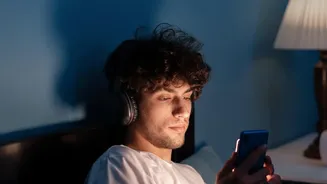
The primary culprit in our modern sleep struggle is the blue light emitted by our smartphones, tablets, and computers. This specific wavelength of light is particularly effective at tricking our brains. Light is the main signal your brain uses to set
its internal 24-hour clock, or circadian rhythm. When you stare at a bright screen late at night, your brain essentially thinks it's still daytime. This exposure suppresses the production of melatonin, the crucial hormone that signals your body it's time to wind down and feel sleepy. Studies have shown that even a couple of hours of screen time in the evening can significantly delay the melatonin surge needed to fall asleep, making it harder to drift off.
The Myth of the Weekend Catch-Up
So, you get a few extra hours of sleep on Saturday and Sunday. Problem solved, right? Not quite. While you might feel less groggy, this pattern of sleep deprivation during the week followed by weekend oversleeping creates what scientists call “social jetlag.” This is the jarring misalignment between your body's internal clock and your socially dictated schedule. Even if you repay your sleep debt in terms of hours, you can't easily undo the disruption to your circadian rhythm. Research shows that this irregularity is a problem in itself. One study found that while participants felt better after weekend catch-up sleep, the underlying negative effects on their body's metabolism persisted. You might erase the fatigue, but the internal chaos remains.
The Deeper Costs of an Irregular Schedule
The consequences of this sleep inconsistency go beyond just feeling tired. An irregular sleep schedule is increasingly linked to a range of health issues. Studies have found that people with the most irregular sleep patterns have a significantly higher risk of cardiovascular events like heart attacks and strokes, even after accounting for total sleep duration. This risk persisted even when people got, on average, a healthy number of hours. Furthermore, inconsistent sleep can affect your mood and mental health, with research showing a connection between variable sleep schedules and a higher risk of developing symptoms of depression. Other potential consequences include impaired glucose regulation, weight gain, and reduced cognitive function, as your body is in a constant state of flux.
How to Truly Reset Your Sleep
If sleeping in isn't the answer, what is? The key lies in consistency, not compensation. The most powerful way to improve your sleep is to establish a regular sleep-wake cycle, even on weekends. Aim to go to bed and wake up at roughly the same time every day. To combat the effects of screen time, create a 'digital sunset' by putting away all electronic devices at least one to two hours before bedtime. This allows your brain's melatonin production to begin naturally. If you must use a device, enable 'night mode' settings that shift the screen to warmer colors, which may be less disruptive. However, experts note that simply engaging with stimulating content can keep you awake, regardless of the light color. Instead, create a relaxing pre-sleep routine, such as reading a physical book, taking a warm bath, or practicing light stretching.