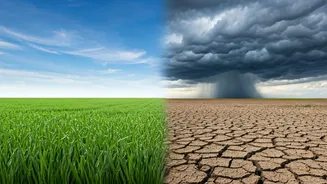






The Monsoon's Crucial Role for Kharif Crops
India's agriculture operates on two main seasons: Kharif and Rabi. [4] The Kharif season, which starts in June with the onset of the southwest monsoon, is almost entirely dependent on rainfall. [2, 4] These monsoon crops, including staples like rice,
maize, cotton, and crucial pulses, account for more than half of India's total food grain production. [2, 12] With nearly 60% of the country's farmland being rain-fed and lacking irrigation, a timely and well-distributed monsoon is essential for a bountiful harvest. [2] The southwest monsoon provides about 70-75% of India's annual rainfall, making it the single most important factor determining the success of these crops. [2, 5, 8]
From Downpour to Dal Prices: A Chain Reaction
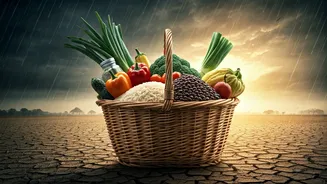
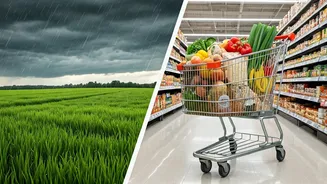
The connection between rainfall and the price you pay for food is a direct chain of supply and demand. [13] A good monsoon leads to healthy crop yields, increasing the supply of food grains, vegetables, and pulses in the market. [2] This abundance helps keep prices stable and affordable for consumers. Conversely, a weak or delayed monsoon leads to lower agricultural output. [5, 13] When harvests are poor, the supply in the market shrinks, but the demand remains constant. This mismatch forces prices to rise, leading to food inflation that directly impacts household budgets across the nation. [13] Perishable vegetables like tomatoes, onions, and potatoes are particularly sensitive to these shocks. [3]
The Problem of Too Much or Too Little Rain
It's not just a lack of rain that causes problems; excessive or unseasonal rainfall can be just as damaging. [11] Heavy downpours and floods can destroy standing crops, waterlog fields, and disrupt transportation and supply chains. [15, 24] This was seen in previous years when unseasonal rains in key growing states damaged onion and potato crops, causing sharp price spikes. [3] Extreme rainfall can also delay harvests and affect the quality of produce, leading to wastage and further tightening supplies. [21] Therefore, the ideal monsoon is not just about the total volume of rain but also its even distribution across regions and timeliness throughout the season. [11, 12]
The 2026 Monsoon and El Niño's Shadow
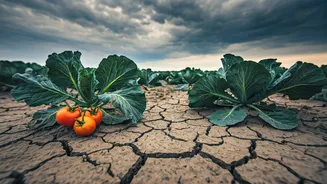
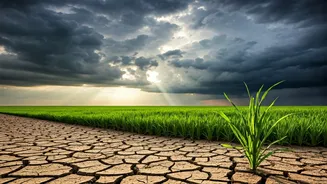
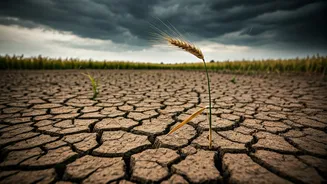
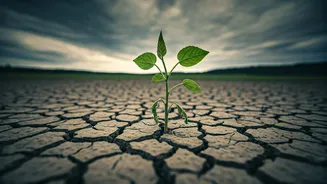
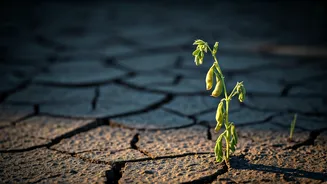
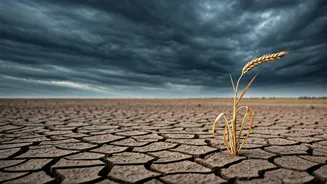
The outlook for 2026 is cautious. Forecasts have indicated a developing El Niño, a climatic pattern known for weakening monsoon winds and causing drier conditions in India. [16, 19] As of mid-June 2026, rainfall across the country was significantly below normal, reigniting concerns about agricultural output and food inflation. [9, 16] Forecasters predict a below-normal monsoon for the year, with the highest risk of deficiency in northern and central states. [7, 14] This has already started to affect prices, with vegetables like tomatoes seeing a jump due to the combination of intense heat and a weak start to the monsoon. [21] A poor monsoon could squeeze rural incomes and reduce demand for other goods, impacting the broader economy. [9]
Beyond Just the Rain
While the monsoon is the primary driver, other factors also influence food prices. Government policies, such as the Minimum Support Price (MSP) for crops, play a significant role. [10] An increase in MSP can lead to higher retail prices. [10] Additionally, the costs of fuel for transportation, electricity for irrigation, and agricultural inputs like fertilizers and pesticides all contribute to the final price of food. [10] In recent years, the growing frequency of extreme weather events due to climate change is also making food price shocks more common and persistent, challenging policymakers. [20] Even with a good monsoon, structural issues like storage and supply chain inefficiencies can create price volatility. [15]