




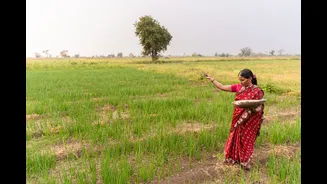


The Anxious Wait for Rain
The monsoon is more than just weather in India; it's the lifeblood of the economy, particularly for the vast agricultural sector that depends on it for irrigation. This year, the arrival of the crucial southwest monsoon has been sluggish. The India Meteorological
Department (IMD) has noted a significant rainfall deficit across large parts of the country in the critical early weeks of June. This delay directly impacts the sowing window for kharif (monsoon) crops, which account for about half of India's total food grain production. When rains are on time, fields are ploughed and seeds are sown in anticipation. But when the skies remain clear, a tense waiting game begins.
Why 'Wait and Watch' Is a Strategy
The advice from agricultural forums to 'hold seeds' is not born of panic, but of prudence. Sowing seeds into dry or inadequately moist soil is a recipe for disaster. Seeds may fail to germinate, leading to a patchy and unhealthy crop stand. This initial failure forces farmers to undertake a second sowing, effectively doubling their expenditure on expensive seeds, labour, and fertilisers. For a small or marginal farmer, this financial blow can be devastating. By waiting for the monsoon to establish itself and for the soil to accumulate sufficient moisture (at least 5-6 inches deep), farmers significantly increase the chances of successful germination and a healthy crop. This 'wait and watch' approach is a calculated risk-management strategy to protect their investment and conserve precious resources.
Which Crops Are Most Affected?
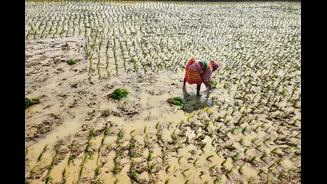
The delay is particularly concerning for a range of key kharif crops. Paddy (rice) transplantation, which requires flooded fields, is directly hampered. Other major crops like soybeans, cotton, maize, and pulses such as tur (pigeon pea) and moong (green gram) are also on hold. These crops have a specific sowing window to ensure they mature at the right time. A significant delay in sowing can shrink the overall growing period, potentially reducing the final yield. For instance, in states like Maharashtra, a hub for soybean and cotton, farmers are anxiously tracking weather updates, with tractors and seeds ready to go the moment substantial rainfall begins. The timing is a delicate balance; sow too early and the crop fails, sow too late and the yield suffers.
The Farmer's High-Stakes Gamble
For the individual farmer, this period is fraught with tension. They have often taken loans to purchase seeds, fertilisers, and other inputs for the season. Every day without rain adds to their financial and mental stress. The decision of when to sow is perhaps the most important one they will make all year. They must weigh the forecasts from the IMD, advice from local agricultural officers, and their own generational experience. Misjudging the monsoon's arrival can wipe out a year's income. This annual uncertainty underscores the vulnerability of rain-fed agriculture, which still constitutes a large portion of Indian farming, and highlights the urgent need for better irrigation infrastructure and climate-resilient farming practices.
From the Farm to Your Plate
The consequences of a delayed sowing season extend far beyond the farm gate. A significant drop in the production of kharif crops can have major ripple effects on the national economy. Lower yields can lead to reduced supply in the market, putting upward pressure on food prices and stoking inflation. This affects every household's budget. Furthermore, a poor agricultural season can dampen rural demand for goods and services, as farmers have less disposable income. This, in turn, can slow down broader economic growth. The performance of the monsoon in the coming weeks will therefore be a key determinant not just of the country’s food security, but of its overall economic health for the year.